



Firestop Products
Firestop products seal penetrations where pipe, cable, and conduit pass through fire-rated walls and floors, maintaining the assembly's fire resistance rating. The category covers sleeves sized for specific applications, including cast iron drain lines, closet flanges, and cable or line set penetrations.
Selecting the correct sleeve for the penetration type and the surrounding assembly keeps the installation compliant with the fire rating required by code. Extension sleeves let installers adapt a standard firestop sleeve to slabs thicker than the sleeve's original design length without sourcing a custom part.

Subcategories
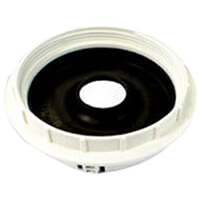
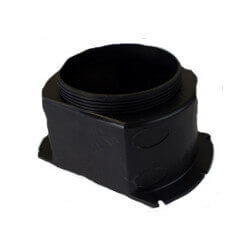
- Aerator Adapters: Aerator adapters give installers a way to route a smaller pipe or fitting, like an air admittance valve or vent line, through a firestop sleeve that was originally sized for a larger penetration. Rather than swapping out an entire cast in place sleeve, the adapter closes the gap around the smaller fitting while keeping the assembly's fire rating intact.
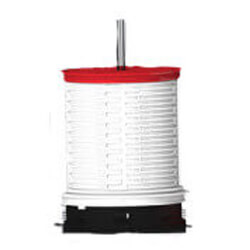
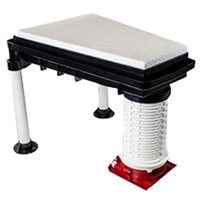
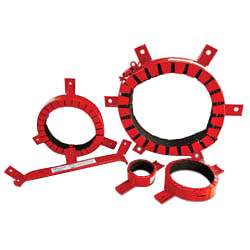
- Cable and Line Set Sleeves: Cable and line set sleeves are built for electricians and HVAC technicians running low voltage cable, communication lines, or refrigerant line sets through a fire rated floor or wall. The sleeve keeps the penetration open and code compliant during rough in, then gets sealed once the cable or line set is pulled through, keeping the surrounding assembly's fire and smoke resistance intact.
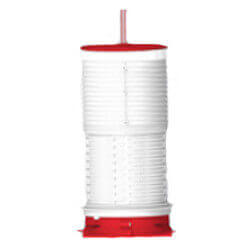
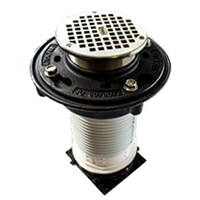
- Cast Iron Drain Sleeves: Cast iron drain sleeves are sized for plumbers running 2, 3, 4, or 6 inch cast iron drain lines through a fire rated floor, with a mid body seal built in to keep the penetration watertight as well as fire rated. Because the sleeve is set before the concrete pour, the drain line goes in without any field cutting or fitting once the floor has cured.
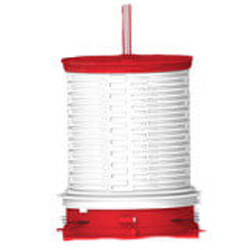
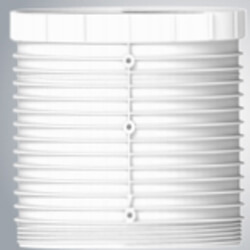
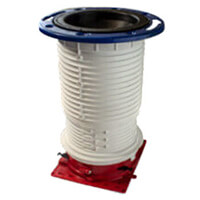
- Closet Flange Sleeves: Closet flange sleeves are purpose built for toilet rough ins, accepting a 3 or 4 inch flange connected to either plastic or cast iron drain pipe. The telescoping design adjusts to slab thicknesses up to about 12 inches and includes a threaded cap that meets OSHA hole cover requirements until the flange and fixture go in, which keeps the open penetration protected during the rest of the construction schedule.
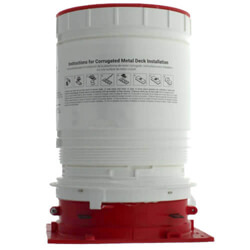
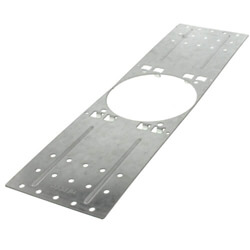
- Corrugated Metal Deck Plates: Corrugated metal deck plates attach to the base of a firestop sleeve on projects where concrete is poured over corrugated metal decking, bridging the gap between the upper and lower flutes so the sleeve sits flat and the concrete cures evenly around it. They're sized to match sleeve diameters from 1 inch up to 6 inches and snap onto the sleeve base without extra fasteners in most applications.
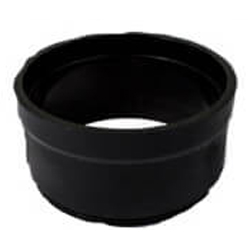
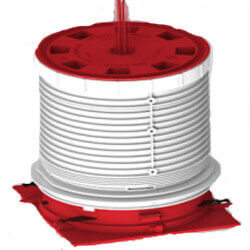
- Extension Sleeves: Extension sleeves lengthen a cast in place firestop sleeve on slabs thicker than the standard sleeve height, which comes up often on parking structures, mechanical mezzanines, or any pour thicker than a typical residential or light commercial floor. Adding an extension keeps the penetration fire rated through the full thickness of the slab instead of leaving a gap that would otherwise need to get field sealed by hand.
Buying Guide
Penetration type is the starting point for choosing a firestop sleeve. Cast iron drain lines, closet flanges, cable bundles, and refrigerant line sets each interact differently with a concrete pour and a surrounding fire rated assembly, so a sleeve built for one penetration type generally isn't a direct substitute for another even when the outside diameter looks similar.
Fire and water rating both matter on plumbing penetrations, not just fire resistance. A sleeve installed below a bathroom or mechanical room needs a watertight mid body seal in addition to a listed fire rating, since a leak at the penetration can cause as much damage as a fire rated assembly failing during an actual event.
Slab thickness determines whether a standard sleeve or an extension sleeve is the right call. Standard cast in place sleeves cover typical residential and light commercial slab depths, while thicker pours common on parking decks or mechanical mezzanines need an extension sleeve to keep the fire rated barrier continuous through the full slab.
Deck type changes the installation approach as well. A standard concrete slab accepts a cast in place sleeve directly, while a corrugated metal deck needs a deck plate to bridge the flutes underneath the sleeve so the concrete pours flat and the sleeve stays properly seated during the pour.
Documentation matters as much as the physical product on a job that's going to get inspected. Keeping the UL listing and installation instructions for each firestop product on hand speeds up the inspection process and gives the general contractor or fire marshal what's needed to confirm the assembly matches its rated design.
Frequently Asked Questions
What's the difference between a cast in place sleeve and a retrofit firestop sleeve?
A cast in place sleeve gets installed and set into the concrete before the floor is poured, forming a pre-built, code compliant opening once the slab cures. A retrofit sleeve or adapter, on the other hand, gets installed into an existing penetration after construction, which is typically the case when a new pipe or cable gets added to a building that's already in service.
Do firestop sleeves need to be UL listed?
Yes. Building and fire codes require firestop devices at rated penetrations to carry a listing, typically from UL, that matches the fire resistance rating of the floor or wall assembly being penetrated. Installing an unlisted product or substituting generic sealant at a rated penetration doesn't meet code and won't pass inspection.
Can one sleeve size work for multiple pipe diameters?
Some sleeve and adapter combinations allow a smaller pipe or fitting to pass through a sleeve sized for a larger penetration, using an adapter to close the gap around the smaller item. Matching the exact sleeve to the pipe diameter whenever possible is still the more straightforward option, since it avoids relying on an extra adapter component to maintain the fire rating.
What happens if a slab is thicker than the sleeve's rated height?
An extension sleeve attaches to the base sleeve to extend its height through a thicker slab, keeping the fire rated barrier continuous from the top to the bottom of the pour. Leaving a gap because the slab is thicker than the sleeve isn't a code compliant condition, since the penetration needs to be sealed through the full depth of the assembly.
Are firestop sleeves only needed on commercial projects?
No. Any building with a fire rated floor or wall assembly, which includes many multi-family residential buildings and mixed use properties, needs listed firestop protection at every plumbing, electrical, or mechanical penetration through that assembly. The requirement comes from the fire rating of the assembly itself rather than the size or type of the overall project.
Resources
Subcategories
- Aerator Adapters: Aerator adapters give installers a way to route a smaller pipe or fitting, like an air admittance valve or vent line, through a firestop sleeve that was originally sized for a larger penetration. Rather than swapping out an entire cast in place sleeve, the adapter closes the gap around the smaller fitting while keeping the assembly's fire rating intact.
- Cable and Line Set Sleeves: Cable and line set sleeves are built for electricians and HVAC technicians running low voltage cable, communication lines, or refrigerant line sets through a fire rated floor or wall. The sleeve keeps the penetration open and code compliant during rough in, then gets sealed once the cable or line set is pulled through, keeping the surrounding assembly's fire and smoke resistance intact.
- Cast Iron Drain Sleeves: Cast iron drain sleeves are sized for plumbers running 2, 3, 4, or 6 inch cast iron drain lines through a fire rated floor, with a mid body seal built in to keep the penetration watertight as well as fire rated. Because the sleeve is set before the concrete pour, the drain line goes in without any field cutting or fitting once the floor has cured.
- Closet Flange Sleeves: Closet flange sleeves are purpose built for toilet rough ins, accepting a 3 or 4 inch flange connected to either plastic or cast iron drain pipe. The telescoping design adjusts to slab thicknesses up to about 12 inches and includes a threaded cap that meets OSHA hole cover requirements until the flange and fixture go in, which keeps the open penetration protected during the rest of the construction schedule.
- Corrugated Metal Deck Plates: Corrugated metal deck plates attach to the base of a firestop sleeve on projects where concrete is poured over corrugated metal decking, bridging the gap between the upper and lower flutes so the sleeve sits flat and the concrete cures evenly around it. They're sized to match sleeve diameters from 1 inch up to 6 inches and snap onto the sleeve base without extra fasteners in most applications.
- Extension Sleeves: Extension sleeves lengthen a cast in place firestop sleeve on slabs thicker than the standard sleeve height, which comes up often on parking structures, mechanical mezzanines, or any pour thicker than a typical residential or light commercial floor. Adding an extension keeps the penetration fire rated through the full thickness of the slab instead of leaving a gap that would otherwise need to get field sealed by hand.
Buying Guide
Penetration type is the starting point for choosing a firestop sleeve. Cast iron drain lines, closet flanges, cable bundles, and refrigerant line sets each interact differently with a concrete pour and a surrounding fire rated assembly, so a sleeve built for one penetration type generally isn't a direct substitute for another even when the outside diameter looks similar.
Fire and water rating both matter on plumbing penetrations, not just fire resistance. A sleeve installed below a bathroom or mechanical room needs a watertight mid body seal in addition to a listed fire rating, since a leak at the penetration can cause as much damage as a fire rated assembly failing during an actual event.
Slab thickness determines whether a standard sleeve or an extension sleeve is the right call. Standard cast in place sleeves cover typical residential and light commercial slab depths, while thicker pours common on parking decks or mechanical mezzanines need an extension sleeve to keep the fire rated barrier continuous through the full slab.
Deck type changes the installation approach as well. A standard concrete slab accepts a cast in place sleeve directly, while a corrugated metal deck needs a deck plate to bridge the flutes underneath the sleeve so the concrete pours flat and the sleeve stays properly seated during the pour.
Documentation matters as much as the physical product on a job that's going to get inspected. Keeping the UL listing and installation instructions for each firestop product on hand speeds up the inspection process and gives the general contractor or fire marshal what's needed to confirm the assembly matches its rated design.
Frequently Asked Questions
What's the difference between a cast in place sleeve and a retrofit firestop sleeve?
A cast in place sleeve gets installed and set into the concrete before the floor is poured, forming a pre-built, code compliant opening once the slab cures. A retrofit sleeve or adapter, on the other hand, gets installed into an existing penetration after construction, which is typically the case when a new pipe or cable gets added to a building that's already in service.
Do firestop sleeves need to be UL listed?
Yes. Building and fire codes require firestop devices at rated penetrations to carry a listing, typically from UL, that matches the fire resistance rating of the floor or wall assembly being penetrated. Installing an unlisted product or substituting generic sealant at a rated penetration doesn't meet code and won't pass inspection.
Can one sleeve size work for multiple pipe diameters?
Some sleeve and adapter combinations allow a smaller pipe or fitting to pass through a sleeve sized for a larger penetration, using an adapter to close the gap around the smaller item. Matching the exact sleeve to the pipe diameter whenever possible is still the more straightforward option, since it avoids relying on an extra adapter component to maintain the fire rating.
What happens if a slab is thicker than the sleeve's rated height?
An extension sleeve attaches to the base sleeve to extend its height through a thicker slab, keeping the fire rated barrier continuous from the top to the bottom of the pour. Leaving a gap because the slab is thicker than the sleeve isn't a code compliant condition, since the penetration needs to be sealed through the full depth of the assembly.
Are firestop sleeves only needed on commercial projects?
No. Any building with a fire rated floor or wall assembly, which includes many multi-family residential buildings and mixed use properties, needs listed firestop protection at every plumbing, electrical, or mechanical penetration through that assembly. The requirement comes from the fire rating of the assembly itself rather than the size or type of the overall project.