




Flanges
Flanges create a fixed, leveled mounting or connection point for plumbing fixtures and piping, covering floor flanges that bolt to a subfloor and toilet flanges shaped specifically for a toilet base.
Selecting the correct flange size and outlet type keeps a toilet or fixture properly seated and sealed against leaks at the connection point. Replacing a cracked or broken flange is a common repair on older installations where the original flange has worn out over years of use.

Subcategories
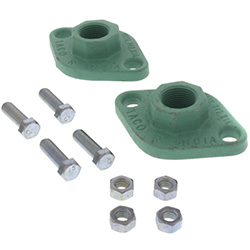
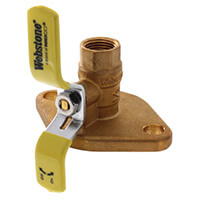
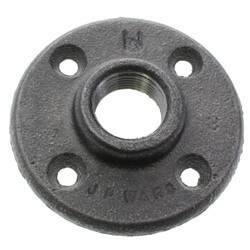
- Floor Flanges: Floor flanges bolt to the subfloor to create a fixed, leveled mounting point for a fixture connecting to a drain pipe below. A wax ring or gasket seals the joint between the flange and the fixture base, so the flange height relative to the finished floor affects how well that seal holds.
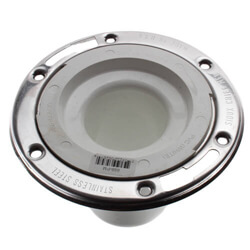
- Toilet Flanges: Toilet flanges are sized and shaped specifically to match a toilet base's bolt pattern and outlet diameter. Getting the height above the finished floor right during installation is one of the most common points of failure, since a flange set too low or too high can cause the toilet to rock or leak.
Buying Guide
Match the flange to the fixture it supports first. A toilet flange needs to align with the specific bolt pattern and outlet size of the toilet being installed, while a general floor flange serves other fixtures or drain connections without that constraint.
Height above the finished floor matters as much as diameter. A flange installed too low leaves the wax ring seal working against a gap, while one installed too high can tilt the fixture, so measuring the finished floor height before final installation avoids a redo.
Material should match the existing drain pipe wherever possible. PVC and ABS flanges connect directly to plastic drain lines, while cast iron or brass flanges suit older cast iron stacks or specific repair situations where matching the original material simplifies the joint.
A cracked, corroded, or loose flange is a frequent standalone repair, especially in a bathroom remodel or after a fixture has rocked for some time. Replacing the flange before resetting the fixture prevents the same failure from repeating shortly after the job is finished.
Repair flanges and spacer rings exist for situations where the original flange sits too low relative to a newly tiled or raised floor, offering a fix that avoids breaking into the drain line just to correct the height.
Frequently Asked Questions
What is the difference between a floor flange and a toilet flange?
A toilet flange is shaped and sized specifically to a toilet base's bolt pattern and outlet, while a floor flange is a more general fitting used for other fixtures or drain connections.
Why does a toilet rock after a flange replacement?
Rocking after a flange swap usually points to incorrect height relative to the finished floor or a flange that isn't seated flat against the subfloor, both of which prevent the wax ring from sealing evenly.
Can a flange be repaired instead of replaced?
A repair flange or spacer ring can correct a height mismatch without removing the original fitting, which is a common fix when a floor has been raised or retiled after the original installation.
What material should a replacement flange be?
Matching the material of the existing drain pipe, typically PVC, ABS, or cast iron, keeps the joint straightforward and avoids needing an extra transition fitting between two different materials.
How is flange height measured before installation?
Height is measured from the top of the finished floor surface to the top of the flange, since that measurement determines how well the wax ring seal performs once the fixture is set.
Resources
Subcategories
- Floor Flanges: Floor flanges bolt to the subfloor to create a fixed, leveled mounting point for a fixture connecting to a drain pipe below. A wax ring or gasket seals the joint between the flange and the fixture base, so the flange height relative to the finished floor affects how well that seal holds.
- Toilet Flanges: Toilet flanges are sized and shaped specifically to match a toilet base's bolt pattern and outlet diameter. Getting the height above the finished floor right during installation is one of the most common points of failure, since a flange set too low or too high can cause the toilet to rock or leak.
Buying Guide
Match the flange to the fixture it supports first. A toilet flange needs to align with the specific bolt pattern and outlet size of the toilet being installed, while a general floor flange serves other fixtures or drain connections without that constraint.
Height above the finished floor matters as much as diameter. A flange installed too low leaves the wax ring seal working against a gap, while one installed too high can tilt the fixture, so measuring the finished floor height before final installation avoids a redo.
Material should match the existing drain pipe wherever possible. PVC and ABS flanges connect directly to plastic drain lines, while cast iron or brass flanges suit older cast iron stacks or specific repair situations where matching the original material simplifies the joint.
A cracked, corroded, or loose flange is a frequent standalone repair, especially in a bathroom remodel or after a fixture has rocked for some time. Replacing the flange before resetting the fixture prevents the same failure from repeating shortly after the job is finished.
Repair flanges and spacer rings exist for situations where the original flange sits too low relative to a newly tiled or raised floor, offering a fix that avoids breaking into the drain line just to correct the height.
Frequently Asked Questions
What is the difference between a floor flange and a toilet flange?
A toilet flange is shaped and sized specifically to a toilet base's bolt pattern and outlet, while a floor flange is a more general fitting used for other fixtures or drain connections.
Why does a toilet rock after a flange replacement?
Rocking after a flange swap usually points to incorrect height relative to the finished floor or a flange that isn't seated flat against the subfloor, both of which prevent the wax ring from sealing evenly.
Can a flange be repaired instead of replaced?
A repair flange or spacer ring can correct a height mismatch without removing the original fitting, which is a common fix when a floor has been raised or retiled after the original installation.
What material should a replacement flange be?
Matching the material of the existing drain pipe, typically PVC, ABS, or cast iron, keeps the joint straightforward and avoids needing an extra transition fitting between two different materials.
How is flange height measured before installation?
Height is measured from the top of the finished floor surface to the top of the flange, since that measurement determines how well the wax ring seal performs once the fixture is set.