




Filters
SORT
Product Availability –
Brand –
Connection Type –
Connection Size –
Used With –
Review Score –
 --%3E %3Csvg version='1.1' id='Fill' xmlns='http://www.w3.org/2000/svg' xmlns:xlink='http://www.w3.org/1999/xlink' x='0px' y='0px' viewBox='0 0 100 100' enable-background='new 0 0 100 100' xml:space='preserve'%3E %3Cpath fill='%23F15C02' d='M79.44,0.95H20.56C9.78,0.95,0.95,9.78,0.95,20.56v58.87c0,10.79,8.82,19.61,19.61,19.61h58.87 c10.79,0,19.61-8.83,19.61-19.61V20.56C99.05,9.78,90.22,0.95,79.44,0.95z M65.38,58.24l9.38,29.58L49.69,69.78L24.5,87.82 l9.34-29.6L8.8,39.6l30.73-0.17c0,0,6.98-19.61,10-28.93c0.54,1.36,9.88,29.1,9.88,29.1H91.2L65.38,58.24z'/%3E %3C/svg%3E)
 --%3E %3Csvg version='1.1' id='With-RB' xmlns='http://www.w3.org/2000/svg' xmlns:xlink='http://www.w3.org/1999/xlink' x='0px' y='0px' viewBox='0 0 100 100' enable-background='new 0 0 100 100' xml:space='preserve'%3E %3Cpath fill='%23FBC8B4' d='M79.44,0.95H20.56C9.78,0.95,0.95,9.78,0.95,20.56v58.87c0,10.79,8.82,19.61,19.61,19.61h58.87 c10.79,0,19.61-8.83,19.61-19.61V20.56C99.05,9.78,90.22,0.95,79.44,0.95z M65.38,58.24l9.38,29.58L49.69,69.78L24.5,87.82 l9.34-29.6L8.8,39.6l30.73-0.17c0,0,6.98-19.61,10-28.93c0.54,1.36,9.88,29.1,9.88,29.1H91.2L65.38,58.24z'/%3E %3C/svg%3E)
Price Range –
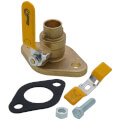
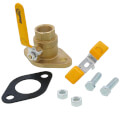
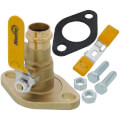
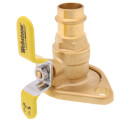
Isolation Valve Flanges


 --%3E %3Csvg version='1.1' id='Half' xmlns='http://www.w3.org/2000/svg' xmlns:xlink='http://www.w3.org/1999/xlink' x='0px' y='0px' viewBox='0 0 100 100' enable-background='new 0 0 100 100' xml:space='preserve'%3E %3Cg%3E %3Cpath fill='%23F15C02' d='M30.05,70.23l3.79-12.01L8.8,39.6l30.73-0.17c0,0,6.98-19.61,10-28.93c0.54,1.36,9.88,29.1,9.88,29.1h1.58 L93.71,7.18c-3.58-3.82-8.66-6.23-14.28-6.23H20.56C9.78,0.95,0.95,9.78,0.95,20.56v58.87c0,5.41,2.22,10.32,5.79,13.88 L30.05,70.23z'/%3E %3C/g%3E %3Cpath fill='%23FBC8B4' d='M93.71,7.18L60.98,39.6H91.2L65.38,58.24l9.38,29.58L49.69,69.78L24.5,87.82l5.55-17.59L6.75,93.32 c3.55,3.54,8.44,5.73,13.82,5.73h58.87c10.79,0,19.61-8.83,19.61-19.61V20.56C99.05,15.4,97.01,10.69,93.71,7.18z'/%3E %3C/svg%3E)
 --%3E %3Csvg version='1.1' id='No-RB' xmlns='http://www.w3.org/2000/svg' xmlns:xlink='http://www.w3.org/1999/xlink' x='0px' y='0px' viewBox='0 0 100 100' enable-background='new 0 0 100 100' xml:space='preserve'%3E %3Cpath fill='%23CECECE' d='M79.44,0.95H20.56C9.78,0.95,0.95,9.78,0.95,20.56v58.87c0,10.79,8.82,19.61,19.61,19.61h58.87 c10.79,0,19.61-8.83,19.61-19.61V20.56C99.05,9.78,90.22,0.95,79.44,0.95z M65.38,58.24l9.38,29.58L49.69,69.78L24.5,87.82 l9.34-29.6L8.8,39.6l30.73-0.17c0,0,6.98-19.61,10-28.93c0.54,1.36,9.88,29.1,9.88,29.1H91.2L65.38,58.24z'/%3E %3C/svg%3E)
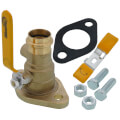
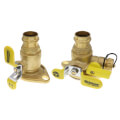
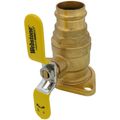
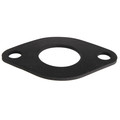
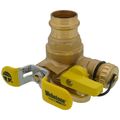
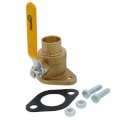
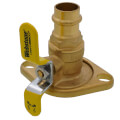
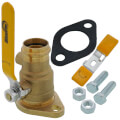

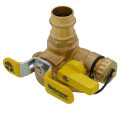
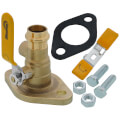
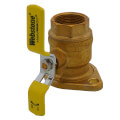
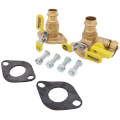
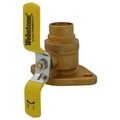
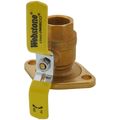
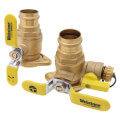
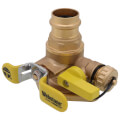
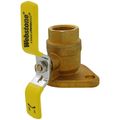
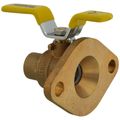
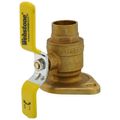
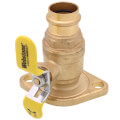
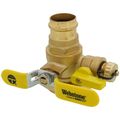
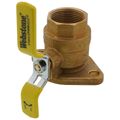

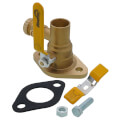
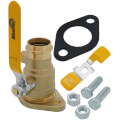
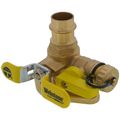
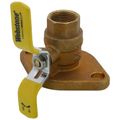

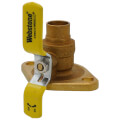

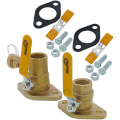
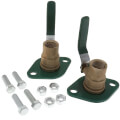
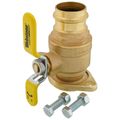
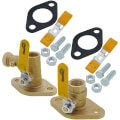
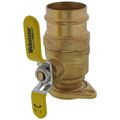

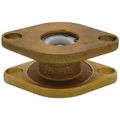
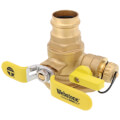

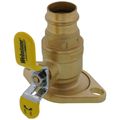
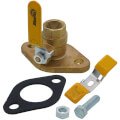
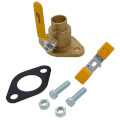
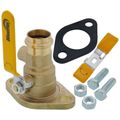
Isolation valve flanges are the mating flange components that bolt a valve into a pipeline, letting the valve be isolated and removed from the system without cutting the adjoining pipe. Plumbers and mechanical contractors use them anywhere a valve needs to sit inline on a flanged piping system rather than being welded, threaded, or soldered directly into place. The flange face and bolt pattern have to match both the valve and the pipe flange on either side, so flange class and pipe diameter are the first things to confirm before ordering. Because the connection is bolted rather than permanent, isolation valve flanges make routine valve maintenance, replacement, or system isolation far simpler on larger diameter or higher pressure piping where welding in place would be impractical. These flanges appear across commercial plumbing, hydronic heating, and industrial piping systems wherever a bolted valve connection is the standard for that pipe size and pressure class.
Subcategories
- Weld Neck Isolation Flanges: Weld neck flanges have a tapered hub that is welded directly to the pipe end, creating a smooth transition that reduces stress concentration at the joint. Contractors use this style on higher pressure or higher temperature systems where a strong, permanent connection to the pipe matters more than ease of replacement. The long tapered hub also reinforces the flange against bending loads better than flat style flanges. This style is common on industrial and larger diameter commercial piping.
- Slip-On Isolation Flanges: Slip-on flanges fit over the outside of the pipe end and are welded both inside and outside the joint, rather than the pipe fitting into a tapered hub. Installers favor this style where alignment is more forgiving during fabrication, since the flange can be slid into position before final welding. It costs less to fabricate than a weld neck flange but generally carries a lower pressure rating for the same pipe size. This style sees common use on lower pressure commercial plumbing and HVAC piping.
- Threaded Isolation Flanges: Threaded flanges connect to pipe using NPT threads rather than a welded joint, making them useful where welding on site is not practical or permitted, such as in an occupied building or a system carrying a flammable fluid. Plumbers use this style on smaller diameter pipe where thread engagement provides enough strength for the system's pressure rating. Because there is no welding involved, installation moves faster and does not require a certified welder on site. This style is limited to lower pressure applications compared to welded flange types.
- Blind Isolation Flanges: Blind flanges are solid discs bolted onto the end of a flanged valve or pipe run to seal it off completely, used when a section of piping needs to be closed rather than connected to anything downstream. Contractors use them to cap off a future connection point or isolate an unused branch of a system during a phased project. Because there is no pipe passing through it, the blind flange has to handle the full system pressure across its solid face. This style pairs with isolation valve flanges when a system needs a section taken fully out of service rather than just shut off.
Buying Guide
Matching flange class and bolt pattern to both the valve and the adjoining pipe flange is the starting point for any isolation valve flange selection, since a mismatch in either dimension means the joint will not bolt together properly or will not hold the system's rated pressure. Weld neck flanges suit higher pressure or higher temperature systems where the tapered hub and full penetration weld provide the strongest connection to the pipe. Slip-on flanges cost less and install with more forgiving alignment tolerances, making them a common choice for lower pressure commercial plumbing and HVAC systems where the strength margin of a weld neck flange is not needed. Where welding on site is not practical, a threaded flange connects to smaller diameter pipe without an open flame or certified welder, though at a lower pressure ceiling than welded styles. For any project that needs a section of piping taken fully out of service rather than just shut off at a valve, a blind flange caps the open end and handles full system pressure across its solid face. Gasket selection matters as much as the flange itself, since the gasket material has to suit the fluid and temperature in the system. Reviewing the piping system's design pressure and temperature before ordering flanges, rather than matching to pipe diameter alone, avoids installing a flange rated for less than what the system actually sees in service.
Frequently Asked Questions
What is the difference between a weld neck and slip-on isolation flange?
A weld neck flange has a tapered hub welded to the pipe end, creating a stronger connection suited to higher pressure or higher temperature systems. A slip-on flange fits over the pipe end and is welded on both the inside and outside of the joint, costing less to fabricate but generally carrying a lower pressure rating. Higher pressure industrial systems typically call for weld neck, while lower pressure commercial piping often uses slip-on.
When is a threaded isolation flange used instead of a welded one?
Threaded flanges are used where welding on site is not practical or permitted, such as inside an occupied building or on a system carrying a flammable fluid. They connect using NPT threads rather than a welded joint, which also speeds up installation since no certified welder is needed on site. Threaded flanges carry a lower pressure rating than welded styles and are limited to smaller diameter pipe.
What is a blind flange used for?
A blind flange is a solid disc bolted onto a pipe or valve flange to seal off that end of the system completely. Contractors use them to cap a future connection point or isolate a branch during a phased project. Because there is no pipe passing through it, a blind flange needs to be rated for the system's full pressure across its solid face.
Does the gasket matter as much as the flange material?
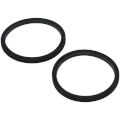
Yes, the gasket has to be compatible with the fluid and temperature in the system regardless of what the flange itself is made from. A mismatched gasket can fail even when the flange, bolts, and pipe are all correctly rated for the application. Checking gasket compatibility alongside flange class is a standard part of specifying any flanged connection.
Why use a flanged valve connection instead of welding a valve in place?
A flanged connection allows the valve to be removed for maintenance or replacement without cutting into the pipe, which matters most on larger diameter or higher pressure systems where a welded valve would be difficult to service. Bolting a valve in place also makes future isolation of that section of the system easier during turnarounds or repairs elsewhere in the piping. Smaller, lower pressure systems sometimes skip flanges in favor of threaded or soldered valve connections where serviceability is less of a concern.
