




Hose Clamps

 --%3E %3Csvg version='1.1' id='No-RB' xmlns='http://www.w3.org/2000/svg' xmlns:xlink='http://www.w3.org/1999/xlink' x='0px' y='0px' viewBox='0 0 100 100' enable-background='new 0 0 100 100' xml:space='preserve'%3E %3Cpath fill='%23CECECE' d='M79.44,0.95H20.56C9.78,0.95,0.95,9.78,0.95,20.56v58.87c0,10.79,8.82,19.61,19.61,19.61h58.87 c10.79,0,19.61-8.83,19.61-19.61V20.56C99.05,9.78,90.22,0.95,79.44,0.95z M65.38,58.24l9.38,29.58L49.69,69.78L24.5,87.82 l9.34-29.6L8.8,39.6l30.73-0.17c0,0,6.98-19.61,10-28.93c0.54,1.36,9.88,29.1,9.88,29.1H91.2L65.38,58.24z'/%3E %3C/svg%3E)

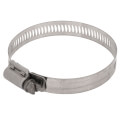
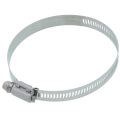
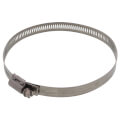
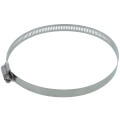



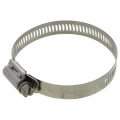
Hose clamps secure flexible hose and tubing connections onto barbed or plain fittings, preventing leaks and disconnections under pressure or vibration. Plumbing and HVAC technicians reach for these clamps constantly, whether securing a washing machine supply line, a condensate drain hose, or a hose connection on mechanical equipment. Worm-gear clamps remain the most common style thanks to their adjustable range and simple flathead or hex-head tightening, while spring clamps and T-bolt clamps cover specialized jobs that need constant tension or higher clamping force. Material selection, typically stainless steel or zinc-plated steel, affects how well a clamp resists corrosion in wet or outdoor applications. Because a failed hose clamp can mean a flooded mechanical room or a leaking appliance connection, choosing the right size and material for the specific hose diameter and environment matters more than it might seem for such a small part.
Subcategories
- Worm-Gear Clamps: Worm-gear clamps use a screw mechanism to tighten a metal band around the hose, offering a wide adjustable range within each clamp size. Technicians favor these for general plumbing and mechanical hose connections because a single clamp size covers a range of hose diameters. Stainless steel versions resist corrosion better than zinc-plated steel in wet or outdoor locations.
- Spring Clamps: Spring clamps apply constant tension through a coiled spring design, which helps maintain a tight seal even as a hose expands and contracts with temperature changes. Many original equipment manufacturers use spring clamps on factory hose connections for this reason. Replacing a spring clamp with a worm-gear clamp is common in the field when a spring clamp tool isn't available.
- T-Bolt Clamps: T-bolt clamps deliver higher and more even clamping force than a standard worm-gear clamp, which makes them a common choice on larger-diameter hose connections such as those found on some HVAC and industrial equipment. The wider band distributes pressure evenly around the hose circumference. Installation requires a wrench or socket rather than the flathead or hex driver used on smaller worm-gear clamps.
Buying Guide
Matching clamp size to hose diameter is the starting point for any hose clamp selection. Hose Clamps are typically sized by a range rather than a single diameter, so checking that the hose's outer diameter falls within the clamp's stated adjustment range prevents both over-tightening and gaps that let a connection leak.
Material choice depends heavily on the installation environment. Stainless steel clamps resist rust and corrosion far better than zinc-plated steel, which matters most in outdoor applications, high-humidity mechanical rooms, or anywhere exposed to water on a regular basis. Zinc-plated clamps work fine in dry indoor locations where corrosion resistance isn't a major concern, and they typically cost less.
Clamp style matters for the specific application. Worm-gear clamps handle most general plumbing and mechanical connections well, but spring clamps hold up better on connections that see regular temperature cycling, since the spring maintains tension as the hose material expands and contracts. T-bolt clamps make sense on larger-diameter connections where even pressure distribution prevents a leak point from developing at one section of the band.
Tightening technique affects performance as much as clamp selection. Over-tightening a worm-gear clamp can cut into softer hose material or strip the screw mechanism, while under-tightening leaves the connection vulnerable to leaks under pressure or vibration. Following the hose manufacturer's torque guidance, when available, produces the most reliable seal.
Frequently Asked Questions
How does a technician know what size hose clamp to use?
Hose clamp sizes list a range covering hose diameters from a certain minimum to maximum, so checking the actual outer diameter of the hose against that range is the first step. A clamp sized too small won't close around the hose, and one sized too large won't tighten enough to seal properly. Manufacturer sizing charts, often printed on the clamp packaging, make this a quick check.
What's the difference between stainless steel and zinc-plated hose clamps?
Stainless steel clamps resist rust and corrosion significantly better, which matters in outdoor, marine, or high-humidity environments. Zinc-plated steel clamps cost less and work fine in dry indoor applications where corrosion isn't a concern. Choosing based on the installation environment rather than price alone avoids premature clamp failure.
Can a spring clamp be replaced with a worm-gear clamp?
In most cases, yes, as long as the worm-gear clamp's size range matches the hose diameter. Spring clamps are often used at the factory because they maintain tension through temperature cycling, so a worm-gear clamp replacement may need periodic re-tightening that a spring clamp wouldn't require. This substitution is common in the field during repairs when a spring clamp tool isn't on hand.
Why would a T-bolt clamp be used instead of a standard worm-gear clamp?
T-bolt clamps distribute clamping force more evenly around the hose, which matters on larger-diameter connections where a standard worm-gear band might not apply consistent pressure all the way around. This even distribution reduces the chance of a leak developing at one section of the connection. T-bolt clamps are common on larger HVAC and industrial hose applications.
What happens if a hose clamp is over-tightened?
Over-tightening can cut into softer hose materials, distort the hose shape, or strip the clamp's screw mechanism, all of which can eventually cause a leak rather than prevent one. Following manufacturer torque guidance, when available, helps avoid this. A properly tightened clamp should seal the connection without visibly deforming the hose.
