




Plumbing Specialties
Plumbing specialties cover the smaller but essential components that complete a plumbing installation, including solder and flux, appliance supply lines, escutcheons, hose clamps, and compression fittings. These items do not fit neatly into a single product family but come up on nearly every plumbing job.
Keeping a stock of these specialty items on a service truck avoids a second trip to source a fitting or supply line mid-job. Compression fittings in particular give plumbers a torch-free way to join pipe in tight or occupied spaces where soldering is not practical.
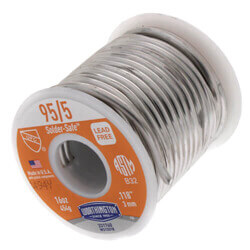


Solder is a metal alloy melted and flowed into the joint between copper pipe and fittings to create a watertight, mechanically sound connection. Lead-free solder is required by code for potable water systems. SupplyHouse carries solder in solid wire and flux-core forms in multiple alloy compositions, including tin-silver and tin-antimony formulas designed for water service, HVAC, and refrigeration applications.
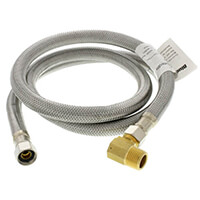
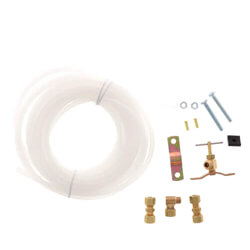
Dishwasher Parts include the supply line, drain hose, connectors, and installation hardware needed to connect a dishwasher to the household water supply and drain. Parts are available for new installations and as replacements for worn or damaged components. SupplyHouse carries dishwasher supply lines in braided stainless steel, elbow fittings, drain hose connectors, and outlet boxes for in-wall dishwasher supply shutoffs.
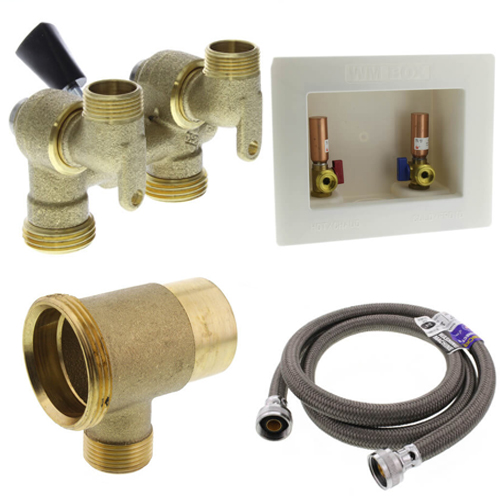
Washing Machine Accessories include the hoses, outlet boxes, and installation components used to connect washing machines to hot and cold water supply lines and to a standpipe drain. Braided stainless steel washing machine hoses are the standard replacement for rubber hoses prone to bursting. Outlet boxes provide a recessed in-wall location for the hot and cold supply valves and drain standpipe, giving a clean finished appearance and convenient shutoff access.
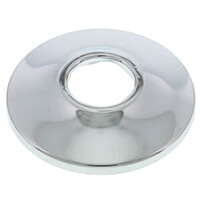
Escutcheons are decorative cover plates installed around pipes where they pass through walls, floors, or ceilings. They conceal the rough opening around the pipe penetration and provide a finished appearance at the pipe exit point. Escutcheons are available in split designs that install without removing the pipe, and in a range of finishes including chrome, brushed nickel, and white to match fixture and trim selections.
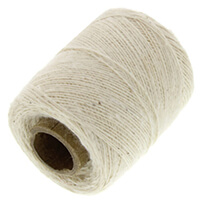
Ball Wick & Spool Wick are absorbent fiber materials used as packing in older compression and globe-style plumbing valves and faucets. Wick packing is compressed around the valve stem to create a water-tight seal that prevents leakage past the stem. Ball wick is supplied as a pre-formed ball shape and spool wick as a flat ribbon that wraps around the stem during repacking.
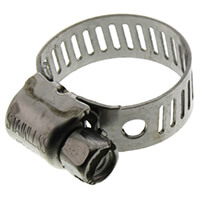
Hose Clamps are mechanical fasteners that secure flexible hose connections to fittings, nipples, and barbed connectors. They prevent the hose from pulling off under pressure and create a leak-free seal at the connection point. Worm-drive clamps are the most common type, tightened with a screwdriver to compress the hose against the fitting. Sizes are specified by inside diameter range and are available in stainless steel and zinc-plated steel.
Buying Guide
Match solder alloy to the application. Lead-free solder is mandatory for potable water systems under federal law and most state plumbing codes. For HVAC refrigerant lines and non-potable applications, higher-silver alloys provide stronger joints and are compatible with a wider range of base metals. Always pair solder with the correct flux: a water-soluble flux for copper water lines or an appropriate flux for the specific alloy and application.
Select appliance supply lines and hoses by length and connection size. Measure the distance from the shutoff valve to the appliance connection before ordering. Dishwasher supply lines are typically 3/8-inch compression on the valve end and 3/8-inch compression or elbow fitting on the appliance end. Washing machine hoses use 3/4-inch GHT fittings at both ends. Braided stainless steel is the preferred material for both applications due to its resistance to bursting under pressure.
Choose escutcheons by pipe diameter and finish. Escutcheons are sized to the outside diameter of the pipe or tube passing through. Split escutcheons are easier to install on existing pipes because they open and close around the pipe without requiring removal. Deep-style escutcheons cover larger gaps between the pipe and the wall opening. Match the finish to the surrounding fixtures for a consistent appearance.
Size hose clamps to the outside diameter of the hose at the point of connection. Worm-drive clamps are specified by their clamping range. The clamp selected should close to its mid-range when installed. Stainless steel clamps are preferred for any application with moisture exposure or outdoor installation. For high-vibration applications, T-bolt clamps provide more uniform clamping force.
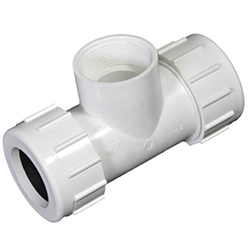
Identify compression fitting compatibility before ordering. Compression couplings and compression tees join pipes without soldering or special tools and are compatible with copper, CPVC, and flexible supply tubing. The nut and compression ring must match the outside diameter and material of the pipe being joined. Do not reuse a compression ring once it has been fully tightened, as the ring permanently deforms to the pipe surface.
Frequently Asked Questions
What type of solder is required for copper water supply lines?
Lead-free solder with a flux paste specifically formulated for potable water applications is required by the federal Safe Drinking Water Act and most state plumbing codes for any pipe that carries drinking water. Common lead-free alloys include 95/5 tin-antimony and silver-bearing formulas such as Stay-Brite 8. Rosin-core solder intended for electronics is not appropriate for plumbing use.
How do I know what size escutcheon to order?
Measure the outside diameter of the pipe passing through the wall or floor. Standard copper pipe sizes follow nominal pipe sizing, so a 1/2-inch copper pipe has an actual outside diameter of 5/8 inch. Select an escutcheon with an inner diameter slightly larger than the pipe's outside diameter. For large gaps between the pipe and the wall opening, choose a deep-style or large-flange escutcheon to cover the opening completely.
Are compression fittings reliable for permanent plumbing connections?
Yes. Properly installed compression fittings are suitable for permanent connections in accessible locations such as supply stops under sinks, toilet supply lines, and shutoff connections. They are not recommended for concealed connections inside walls or floors where access for future inspection is not possible. Compression fittings should not be overtightened, as this can deform the pipe or crack the ferrule.
What is an air admittance valve and when is it used?
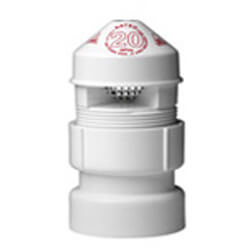
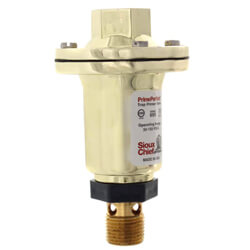
An air admittance valve (AAV) is a one-way mechanical vent that allows air to enter the drain line to equalize pressure during drainage without requiring a vent pipe run to the roof. AAVs are used when extending a drain line where running a conventional vent through the roof is impractical, such as in island sink installations or basement additions. Local plumbing codes govern where AAVs are permitted and what fixtures they may serve.
How do washing machine outlet boxes work?
A washing machine outlet box is a recessed in-wall enclosure that houses the hot and cold water supply valves and a drain standpipe in a single unit. The box mounts between studs during rough-in and provides a clean finished appearance once the wall is closed. The supply connections inside the box are typically 1/2-inch threaded or soldered connections to the hot and cold supply lines, and the drain standpipe connects to a 2-inch or 1-1/2-inch drain line in the wall.
Resources
Solder is a metal alloy melted and flowed into the joint between copper pipe and fittings to create a watertight, mechanically sound connection. Lead-free solder is required by code for potable water systems. SupplyHouse carries solder in solid wire and flux-core forms in multiple alloy compositions, including tin-silver and tin-antimony formulas designed for water service, HVAC, and refrigeration applications.
Dishwasher Parts include the supply line, drain hose, connectors, and installation hardware needed to connect a dishwasher to the household water supply and drain. Parts are available for new installations and as replacements for worn or damaged components. SupplyHouse carries dishwasher supply lines in braided stainless steel, elbow fittings, drain hose connectors, and outlet boxes for in-wall dishwasher supply shutoffs.
Washing Machine Accessories include the hoses, outlet boxes, and installation components used to connect washing machines to hot and cold water supply lines and to a standpipe drain. Braided stainless steel washing machine hoses are the standard replacement for rubber hoses prone to bursting. Outlet boxes provide a recessed in-wall location for the hot and cold supply valves and drain standpipe, giving a clean finished appearance and convenient shutoff access.
Escutcheons are decorative cover plates installed around pipes where they pass through walls, floors, or ceilings. They conceal the rough opening around the pipe penetration and provide a finished appearance at the pipe exit point. Escutcheons are available in split designs that install without removing the pipe, and in a range of finishes including chrome, brushed nickel, and white to match fixture and trim selections.
Ball Wick & Spool Wick are absorbent fiber materials used as packing in older compression and globe-style plumbing valves and faucets. Wick packing is compressed around the valve stem to create a water-tight seal that prevents leakage past the stem. Ball wick is supplied as a pre-formed ball shape and spool wick as a flat ribbon that wraps around the stem during repacking.
Hose Clamps are mechanical fasteners that secure flexible hose connections to fittings, nipples, and barbed connectors. They prevent the hose from pulling off under pressure and create a leak-free seal at the connection point. Worm-drive clamps are the most common type, tightened with a screwdriver to compress the hose against the fitting. Sizes are specified by inside diameter range and are available in stainless steel and zinc-plated steel.
Buying Guide
Match solder alloy to the application. Lead-free solder is mandatory for potable water systems under federal law and most state plumbing codes. For HVAC refrigerant lines and non-potable applications, higher-silver alloys provide stronger joints and are compatible with a wider range of base metals. Always pair solder with the correct flux: a water-soluble flux for copper water lines or an appropriate flux for the specific alloy and application.
Select appliance supply lines and hoses by length and connection size. Measure the distance from the shutoff valve to the appliance connection before ordering. Dishwasher supply lines are typically 3/8-inch compression on the valve end and 3/8-inch compression or elbow fitting on the appliance end. Washing machine hoses use 3/4-inch GHT fittings at both ends. Braided stainless steel is the preferred material for both applications due to its resistance to bursting under pressure.
Choose escutcheons by pipe diameter and finish. Escutcheons are sized to the outside diameter of the pipe or tube passing through. Split escutcheons are easier to install on existing pipes because they open and close around the pipe without requiring removal. Deep-style escutcheons cover larger gaps between the pipe and the wall opening. Match the finish to the surrounding fixtures for a consistent appearance.
Size hose clamps to the outside diameter of the hose at the point of connection. Worm-drive clamps are specified by their clamping range. The clamp selected should close to its mid-range when installed. Stainless steel clamps are preferred for any application with moisture exposure or outdoor installation. For high-vibration applications, T-bolt clamps provide more uniform clamping force.
Identify compression fitting compatibility before ordering. Compression couplings and compression tees join pipes without soldering or special tools and are compatible with copper, CPVC, and flexible supply tubing. The nut and compression ring must match the outside diameter and material of the pipe being joined. Do not reuse a compression ring once it has been fully tightened, as the ring permanently deforms to the pipe surface.
Frequently Asked Questions
What type of solder is required for copper water supply lines?
Lead-free solder with a flux paste specifically formulated for potable water applications is required by the federal Safe Drinking Water Act and most state plumbing codes for any pipe that carries drinking water. Common lead-free alloys include 95/5 tin-antimony and silver-bearing formulas such as Stay-Brite 8. Rosin-core solder intended for electronics is not appropriate for plumbing use.
How do I know what size escutcheon to order?
Measure the outside diameter of the pipe passing through the wall or floor. Standard copper pipe sizes follow nominal pipe sizing, so a 1/2-inch copper pipe has an actual outside diameter of 5/8 inch. Select an escutcheon with an inner diameter slightly larger than the pipe's outside diameter. For large gaps between the pipe and the wall opening, choose a deep-style or large-flange escutcheon to cover the opening completely.
Are compression fittings reliable for permanent plumbing connections?
Yes. Properly installed compression fittings are suitable for permanent connections in accessible locations such as supply stops under sinks, toilet supply lines, and shutoff connections. They are not recommended for concealed connections inside walls or floors where access for future inspection is not possible. Compression fittings should not be overtightened, as this can deform the pipe or crack the ferrule.
What is an air admittance valve and when is it used?
An air admittance valve (AAV) is a one-way mechanical vent that allows air to enter the drain line to equalize pressure during drainage without requiring a vent pipe run to the roof. AAVs are used when extending a drain line where running a conventional vent through the roof is impractical, such as in island sink installations or basement additions. Local plumbing codes govern where AAVs are permitted and what fixtures they may serve.
How do washing machine outlet boxes work?
A washing machine outlet box is a recessed in-wall enclosure that houses the hot and cold water supply valves and a drain standpipe in a single unit. The box mounts between studs during rough-in and provides a clean finished appearance once the wall is closed. The supply connections inside the box are typically 1/2-inch threaded or soldered connections to the hot and cold supply lines, and the drain standpipe connects to a 2-inch or 1-1/2-inch drain line in the wall.