




Hoses
Hoses cover the flexible connectors and supply lines used to move water, gas, or other fluids between a fixed pipe connection and an appliance, fixture, or outdoor spigot. The category spans everything from short appliance supply risers to garden hoses and corrugated stainless steel gas tubing, each built for a different pressure and material compatibility requirement.
Picking the right hose or riser matters because a product mismatched to its application can fail well before a rigid pipe would. The wrong material, pressure rating, or connection thread can cause that mismatch. Matching the product to its intended use (water supply, gas supply, or general-purpose outdoor use) is the first decision on any job that calls for a flexible connection.
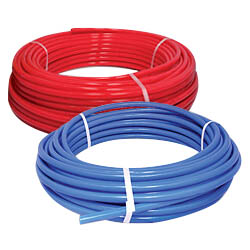


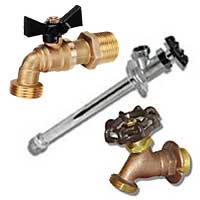


Subcategories
- Dishwasher Risers: Dishwasher Risers are short, flexible supply lines that connect a dishwasher to the home's hot water supply, typically terminating in fittings sized for a dishwasher's inlet valve. Contractors use them on new installs and when replacing a riser that's failed or aged out.
- Faucet Risers: Faucet Risers connect a shutoff valve to a faucet's water supply inlet, giving some flexibility to align the connection without bending rigid pipe. They're a common replacement item when an old riser has corroded or when a faucet swap changes the exact connection point.
- Garden Hose Fittings: Garden Hose Fittings include the couplings, adapters, and repair ends used to connect, extend, or repair standard garden hose. Contractors and property managers use them for outdoor spigots, irrigation add-ons, and general hose maintenance.
- Garden Hoses: Garden Hoses are general-purpose outdoor hoses used for watering, cleaning, and connecting to outdoor equipment that requires a water supply. Length and burst pressure rating are the main specifications that separate one hose from another within the category.
- Gastite CSST Tubing: Gastite CSST Tubing is corrugated stainless steel tubing used to run fuel gas from a meter or manifold to individual appliances, offering more routing flexibility than rigid black pipe. Installers use it in new construction and retrofits where snaking a flexible line through framing is faster than fitting rigid pipe.
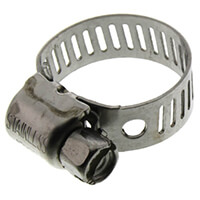
- Hose Clamps: Hose Clamps secure a flexible hose or tubing section onto a barbed or smooth fitting, preventing it from slipping off under pressure or vibration. They're used across plumbing, HVAC, and general mechanical applications wherever a hose connects to a fitting rather than threading directly onto it.
Buying Guide
The first decision when selecting a hose or riser is the application. Potable water supply, fuel gas, and general outdoor use each call for a different material and pressure rating. Products built for one shouldn't be substituted into another. A dishwasher riser and a garden hose fitting aren't interchangeable even though both are flexible connections.
Connection thread and size need to match the fixture or appliance on both ends of the line. A riser or hose that's the wrong length can be forced into place, but a mismatched thread size cannot. Confirming both ends of the connection before ordering avoids a wasted trip.
For gas applications, corrugated stainless steel tubing offers routing flexibility that rigid black pipe doesn't. This can shorten install time on a retrofit where snaking a line through existing framing is difficult. It requires its own fittings and, in many jurisdictions, specific bonding requirements that differ from a rigid gas piping installation.
Pressure rating matters most on supply-side connections, where a failure means a water or gas leak inside a finished space rather than outdoors. Checking that a riser or flexible line is rated for the system's operating pressure is worth confirming before final connection, not after.
Hose clamps and other securing hardware should match the outer diameter of the hose or tubing being used. An undersized or oversized clamp can fail to seal or damage the hose material. Keeping a small stock of common sizes on the truck avoids a return trip for a mismatched clamp.
Frequently Asked Questions
What's the difference between a faucet riser and a dishwasher riser?
A faucet riser connects a shutoff valve to a faucet's water inlet, while a dishwasher riser connects the hot water supply to a dishwasher's inlet valve. Both are flexible supply lines, but they're sized and threaded for their specific fixture.
Can CSST gas tubing be used instead of rigid black pipe on every gas job?
CSST offers more routing flexibility, but local code and the specific installation conditions determine whether it's an acceptable substitute for rigid pipe on a given run. Checking the jurisdiction's requirements before specifying it is worth doing on any gas job.
How is the right hose clamp size chosen?
A hose clamp needs to match the outer diameter of the hose or tubing it's securing. An incorrect size can fail to create a tight seal or damage the hose material. Checking the diameter range printed on the clamp against the hose being used confirms a proper fit.
Do garden hose fittings work with any garden hose?
Garden hose fittings are made to connect, extend, or repair standard garden hose. Confirming that the fitting matches the hose's diameter and connection before installing avoids a leak at the connection point.
What causes a riser to fail before the rest of the plumbing does?
Flexible risers see more mechanical stress than rigid pipe, from repeated valve operation to age-related material breakdown. They're often the first point of failure in an otherwise sound plumbing system. Replacing an aging riser during other nearby work can prevent a future callback.
Resources
Subcategories
- Dishwasher Risers: Dishwasher Risers are short, flexible supply lines that connect a dishwasher to the home's hot water supply, typically terminating in fittings sized for a dishwasher's inlet valve. Contractors use them on new installs and when replacing a riser that's failed or aged out.
- Faucet Risers: Faucet Risers connect a shutoff valve to a faucet's water supply inlet, giving some flexibility to align the connection without bending rigid pipe. They're a common replacement item when an old riser has corroded or when a faucet swap changes the exact connection point.
- Garden Hose Fittings: Garden Hose Fittings include the couplings, adapters, and repair ends used to connect, extend, or repair standard garden hose. Contractors and property managers use them for outdoor spigots, irrigation add-ons, and general hose maintenance.
- Garden Hoses: Garden Hoses are general-purpose outdoor hoses used for watering, cleaning, and connecting to outdoor equipment that requires a water supply. Length and burst pressure rating are the main specifications that separate one hose from another within the category.
- Gastite CSST Tubing: Gastite CSST Tubing is corrugated stainless steel tubing used to run fuel gas from a meter or manifold to individual appliances, offering more routing flexibility than rigid black pipe. Installers use it in new construction and retrofits where snaking a flexible line through framing is faster than fitting rigid pipe.
- Hose Clamps: Hose Clamps secure a flexible hose or tubing section onto a barbed or smooth fitting, preventing it from slipping off under pressure or vibration. They're used across plumbing, HVAC, and general mechanical applications wherever a hose connects to a fitting rather than threading directly onto it.
Buying Guide
The first decision when selecting a hose or riser is the application. Potable water supply, fuel gas, and general outdoor use each call for a different material and pressure rating. Products built for one shouldn't be substituted into another. A dishwasher riser and a garden hose fitting aren't interchangeable even though both are flexible connections.
Connection thread and size need to match the fixture or appliance on both ends of the line. A riser or hose that's the wrong length can be forced into place, but a mismatched thread size cannot. Confirming both ends of the connection before ordering avoids a wasted trip.
For gas applications, corrugated stainless steel tubing offers routing flexibility that rigid black pipe doesn't. This can shorten install time on a retrofit where snaking a line through existing framing is difficult. It requires its own fittings and, in many jurisdictions, specific bonding requirements that differ from a rigid gas piping installation.
Pressure rating matters most on supply-side connections, where a failure means a water or gas leak inside a finished space rather than outdoors. Checking that a riser or flexible line is rated for the system's operating pressure is worth confirming before final connection, not after.
Hose clamps and other securing hardware should match the outer diameter of the hose or tubing being used. An undersized or oversized clamp can fail to seal or damage the hose material. Keeping a small stock of common sizes on the truck avoids a return trip for a mismatched clamp.
Frequently Asked Questions
What's the difference between a faucet riser and a dishwasher riser?
A faucet riser connects a shutoff valve to a faucet's water inlet, while a dishwasher riser connects the hot water supply to a dishwasher's inlet valve. Both are flexible supply lines, but they're sized and threaded for their specific fixture.
Can CSST gas tubing be used instead of rigid black pipe on every gas job?
CSST offers more routing flexibility, but local code and the specific installation conditions determine whether it's an acceptable substitute for rigid pipe on a given run. Checking the jurisdiction's requirements before specifying it is worth doing on any gas job.
How is the right hose clamp size chosen?
A hose clamp needs to match the outer diameter of the hose or tubing it's securing. An incorrect size can fail to create a tight seal or damage the hose material. Checking the diameter range printed on the clamp against the hose being used confirms a proper fit.
Do garden hose fittings work with any garden hose?
Garden hose fittings are made to connect, extend, or repair standard garden hose. Confirming that the fitting matches the hose's diameter and connection before installing avoids a leak at the connection point.
What causes a riser to fail before the rest of the plumbing does?
Flexible risers see more mechanical stress than rigid pipe, from repeated valve operation to age-related material breakdown. They're often the first point of failure in an otherwise sound plumbing system. Replacing an aging riser during other nearby work can prevent a future callback.