




Filters
SORT
Product Availability –
Review Score –
 --%3E %3Csvg version='1.1' id='Fill' xmlns='http://www.w3.org/2000/svg' xmlns:xlink='http://www.w3.org/1999/xlink' x='0px' y='0px' viewBox='0 0 100 100' enable-background='new 0 0 100 100' xml:space='preserve'%3E %3Cpath fill='%23F15C02' d='M79.44,0.95H20.56C9.78,0.95,0.95,9.78,0.95,20.56v58.87c0,10.79,8.82,19.61,19.61,19.61h58.87 c10.79,0,19.61-8.83,19.61-19.61V20.56C99.05,9.78,90.22,0.95,79.44,0.95z M65.38,58.24l9.38,29.58L49.69,69.78L24.5,87.82 l9.34-29.6L8.8,39.6l30.73-0.17c0,0,6.98-19.61,10-28.93c0.54,1.36,9.88,29.1,9.88,29.1H91.2L65.38,58.24z'/%3E %3C/svg%3E)
 --%3E %3Csvg version='1.1' id='With-RB' xmlns='http://www.w3.org/2000/svg' xmlns:xlink='http://www.w3.org/1999/xlink' x='0px' y='0px' viewBox='0 0 100 100' enable-background='new 0 0 100 100' xml:space='preserve'%3E %3Cpath fill='%23FBC8B4' d='M79.44,0.95H20.56C9.78,0.95,0.95,9.78,0.95,20.56v58.87c0,10.79,8.82,19.61,19.61,19.61h58.87 c10.79,0,19.61-8.83,19.61-19.61V20.56C99.05,9.78,90.22,0.95,79.44,0.95z M65.38,58.24l9.38,29.58L49.69,69.78L24.5,87.82 l9.34-29.6L8.8,39.6l30.73-0.17c0,0,6.98-19.61,10-28.93c0.54,1.36,9.88,29.1,9.88,29.1H91.2L65.38,58.24z'/%3E %3C/svg%3E)
Price Range –
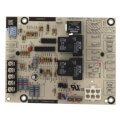
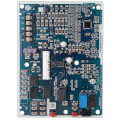
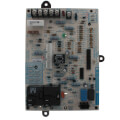
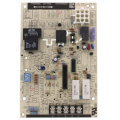
ICP Heil Quaker Control Boards


 --%3E %3Csvg version='1.1' id='Half' xmlns='http://www.w3.org/2000/svg' xmlns:xlink='http://www.w3.org/1999/xlink' x='0px' y='0px' viewBox='0 0 100 100' enable-background='new 0 0 100 100' xml:space='preserve'%3E %3Cg%3E %3Cpath fill='%23F15C02' d='M30.05,70.23l3.79-12.01L8.8,39.6l30.73-0.17c0,0,6.98-19.61,10-28.93c0.54,1.36,9.88,29.1,9.88,29.1h1.58 L93.71,7.18c-3.58-3.82-8.66-6.23-14.28-6.23H20.56C9.78,0.95,0.95,9.78,0.95,20.56v58.87c0,5.41,2.22,10.32,5.79,13.88 L30.05,70.23z'/%3E %3C/g%3E %3Cpath fill='%23FBC8B4' d='M93.71,7.18L60.98,39.6H91.2L65.38,58.24l9.38,29.58L49.69,69.78L24.5,87.82l5.55-17.59L6.75,93.32 c3.55,3.54,8.44,5.73,13.82,5.73h58.87c10.79,0,19.61-8.83,19.61-19.61V20.56C99.05,15.4,97.01,10.69,93.71,7.18z'/%3E %3C/svg%3E)
 --%3E %3Csvg version='1.1' id='No-RB' xmlns='http://www.w3.org/2000/svg' xmlns:xlink='http://www.w3.org/1999/xlink' x='0px' y='0px' viewBox='0 0 100 100' enable-background='new 0 0 100 100' xml:space='preserve'%3E %3Cpath fill='%23CECECE' d='M79.44,0.95H20.56C9.78,0.95,0.95,9.78,0.95,20.56v58.87c0,10.79,8.82,19.61,19.61,19.61h58.87 c10.79,0,19.61-8.83,19.61-19.61V20.56C99.05,9.78,90.22,0.95,79.44,0.95z M65.38,58.24l9.38,29.58L49.69,69.78L24.5,87.82 l9.34-29.6L8.8,39.6l30.73-0.17c0,0,6.98-19.61,10-28.93c0.54,1.36,9.88,29.1,9.88,29.1H91.2L65.38,58.24z'/%3E %3C/svg%3E)
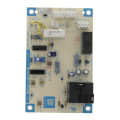
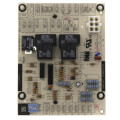
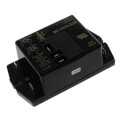
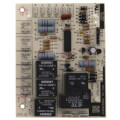
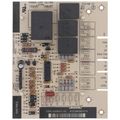
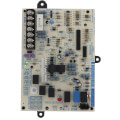
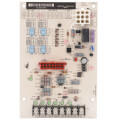
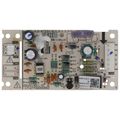
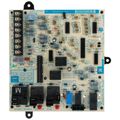
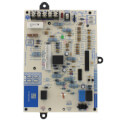
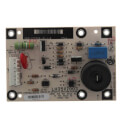
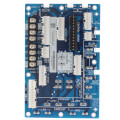
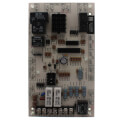
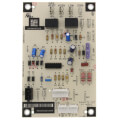
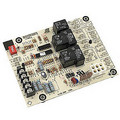
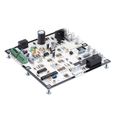
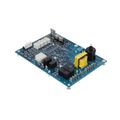
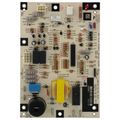
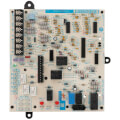
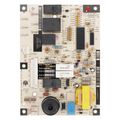
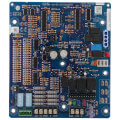
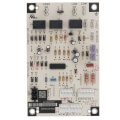
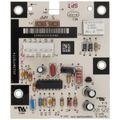
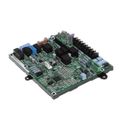
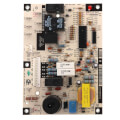
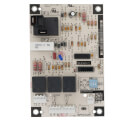
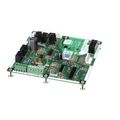
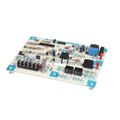

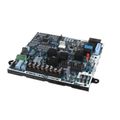
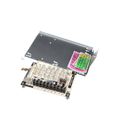
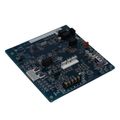
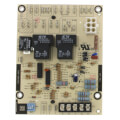
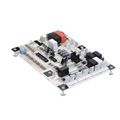
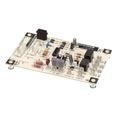
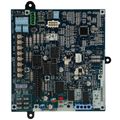
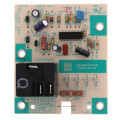

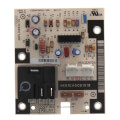
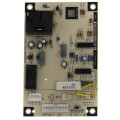
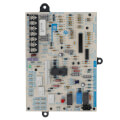
ICP Heil Quaker control boards manage ignition sequencing, blower operation, and safety lockouts in gas furnaces built under the Heil, Tempstar, Comfortmaker, Day and Night, and Arcoaire brands under the International Comfort Products umbrella. A furnace that stops firing reliably often points to a failed integrated control board rather than a bad burner assembly. Control boards read inputs from the pressure switch, flame sensor, and limit switch, then sequence the igniter, gas valve, and blower motor in the correct order. Board selection depends on furnace staging, single-stage or two-stage, along with blower speed configuration and connector layout, all of which vary across ICP production years and sub-brands. Ordering the wrong board can leave safety lockouts unread or blower timing off, so confirming the furnace model number and existing board part number before purchase prevents an extra trip back to the supply house.
Subcategories
- Single-Stage Furnace Control Boards: Single-stage furnace control boards run the ignition and blower sequence for one heating rate on ICP furnaces, common in Heil, Tempstar, and Comfortmaker residential units. Service technicians reach for these when a furnace short-cycles or fails to light despite good gas pressure, since the board interprets the pressure switch and flame sensor signals that trigger ignition. Boards in this group pair with a standard hot surface igniter and a single blower relay. Replacement boards in this category are interchangeable within the same chassis platform but not across different cabinet series.
- Two-Stage Control Boards: Two-stage control boards handle furnaces built with variable heating output, cycling between low fire and high fire depending on the thermostat's staged call for heat. Installers select these boards when replacing failed controls in Day and Night or Arcoaire two-stage gas furnaces, where a single-stage board would misread the staging inputs. These boards manage additional relay outputs for stage-two ignition and blower speed changes. Getting the stage configuration wrong on a replacement board causes uneven heating or nuisance lockouts.
- Integrated Furnace Control (IFC) Boards: IFC boards combine ignition control, blower operation, and diagnostic fault reporting into a single circuit board, replacing the separate timer and relay modules found on older ICP furnace designs. Technicians rely on the onboard LED fault codes to pinpoint pressure switch, limit switch, or flame sensor issues without pulling the furnace apart. IFC boards cover a wide range of Heil Quaker furnace vintages, though connector counts and pin layouts differ by production run. Confirming pin count and connector style against the original board avoids a mismatched replacement.
- Universal Replacement Control Boards: Universal replacement boards are configurable aftermarket boards that can be set to match several ICP furnace control profiles when an exact OEM board is discontinued or backordered. Technicians use them on older Heil Quaker and Comfortmaker furnace models where OEM boards have gone out of production. Setup requires selecting the correct dip switch or jumper configuration to match staging and blower type. Universal boards save a service call when an exact OEM replacement is not readily available.
Buying Guide
Replacing a failed control board starts with the furnace model and serial number, not the board's visible part number, since ICP reuses similar-looking boards across different cabinet platforms with different pin configurations. Pulling the furnace rating plate and matching it against the OEM parts breakdown for that specific model confirms the exact board needed before ordering.
Staging matters next: a single-stage furnace needs a single-stage board, and installing a two-stage board on single-stage equipment, or the reverse, causes lockouts or erratic cycling because the staging relay logic does not match the furnace's gas valve and blower controls.
Connector count and pin layout come third. ICP Heil Quaker Control Boards from different production years often share a similar board footprint but differ in the number of pin connectors or their placement, so a board that looks identical on the shelf may not plug in without rewiring.
Diagnostic capability is worth checking too: newer integrated furnace control boards include onboard LED fault codes that speed up troubleshooting on future service calls, a meaningful upgrade over an older timer-based board with no diagnostics.
Confirming return policy and warranty terms before installing also helps, since a board that tests fine on the bench can still fail during actual furnace operation under load. Keeping the failed board on hand until the new one is confirmed working prevents scrambling for a return if the replacement does not resolve the original symptom.
Frequently Asked Questions
How do I identify the correct ICP Heil Quaker control board for a furnace?
Start with the furnace model and serial number from the rating plate rather than the board's printed part number, since ICP reuses similar boards across different cabinet platforms. Cross-reference that model number against the OEM parts breakdown to confirm staging, connector count, and pin layout before ordering a replacement.
What is the difference between single-stage and two-stage ICP control boards?
Single-stage boards run one heating rate and manage a simpler relay sequence for ignition and blower operation. Two-stage boards add relay logic and connector points needed for low-fire and high-fire operation, and installing the wrong type on mismatched equipment causes lockouts or uneven heating.
Can a universal replacement board work in place of an OEM Heil Quaker control board?
Universal boards can work when configured correctly, using dip switches or jumpers to match the original furnace's staging and blower profile. They are most useful when the exact OEM board has been discontinued, but the configuration steps need to match the original board's function to avoid nuisance faults.
Why would a furnace short-cycle even after the control board is replaced?
Short-cycling after a board swap usually points to a mismatched staging configuration, a loose connector, or an unresolved upstream issue like a dirty flame sensor or restricted pressure switch tubing that the new board is correctly reporting. Checking the LED fault code on the new board first narrows down whether the problem is electrical or mechanical.
How do LED fault codes on integrated furnace control boards help with diagnosis?
Integrated control boards flash a numbered or patterned LED code corresponding to a specific fault, such as a pressure switch stuck open or a flame sensor failing to detect ignition. Matching that code against the furnace's installation manual narrows the troubleshooting path without needing to test each component individually.
