




Filters
SORT
Product Availability –
Review Score –
 --%3E %3Csvg version='1.1' id='Fill' xmlns='http://www.w3.org/2000/svg' xmlns:xlink='http://www.w3.org/1999/xlink' x='0px' y='0px' viewBox='0 0 100 100' enable-background='new 0 0 100 100' xml:space='preserve'%3E %3Cpath fill='%23F15C02' d='M79.44,0.95H20.56C9.78,0.95,0.95,9.78,0.95,20.56v58.87c0,10.79,8.82,19.61,19.61,19.61h58.87 c10.79,0,19.61-8.83,19.61-19.61V20.56C99.05,9.78,90.22,0.95,79.44,0.95z M65.38,58.24l9.38,29.58L49.69,69.78L24.5,87.82 l9.34-29.6L8.8,39.6l30.73-0.17c0,0,6.98-19.61,10-28.93c0.54,1.36,9.88,29.1,9.88,29.1H91.2L65.38,58.24z'/%3E %3C/svg%3E)
 --%3E %3Csvg version='1.1' id='With-RB' xmlns='http://www.w3.org/2000/svg' xmlns:xlink='http://www.w3.org/1999/xlink' x='0px' y='0px' viewBox='0 0 100 100' enable-background='new 0 0 100 100' xml:space='preserve'%3E %3Cpath fill='%23FBC8B4' d='M79.44,0.95H20.56C9.78,0.95,0.95,9.78,0.95,20.56v58.87c0,10.79,8.82,19.61,19.61,19.61h58.87 c10.79,0,19.61-8.83,19.61-19.61V20.56C99.05,9.78,90.22,0.95,79.44,0.95z M65.38,58.24l9.38,29.58L49.69,69.78L24.5,87.82 l9.34-29.6L8.8,39.6l30.73-0.17c0,0,6.98-19.61,10-28.93c0.54,1.36,9.88,29.1,9.88,29.1H91.2L65.38,58.24z'/%3E %3C/svg%3E)
Price Range –
ICP Heil Quaker Pressure Switches


 --%3E %3Csvg version='1.1' id='No-RB' xmlns='http://www.w3.org/2000/svg' xmlns:xlink='http://www.w3.org/1999/xlink' x='0px' y='0px' viewBox='0 0 100 100' enable-background='new 0 0 100 100' xml:space='preserve'%3E %3Cpath fill='%23CECECE' d='M79.44,0.95H20.56C9.78,0.95,0.95,9.78,0.95,20.56v58.87c0,10.79,8.82,19.61,19.61,19.61h58.87 c10.79,0,19.61-8.83,19.61-19.61V20.56C99.05,9.78,90.22,0.95,79.44,0.95z M65.38,58.24l9.38,29.58L49.69,69.78L24.5,87.82 l9.34-29.6L8.8,39.6l30.73-0.17c0,0,6.98-19.61,10-28.93c0.54,1.36,9.88,29.1,9.88,29.1H91.2L65.38,58.24z'/%3E %3C/svg%3E)
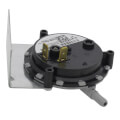
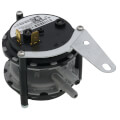
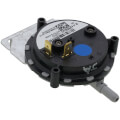
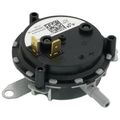
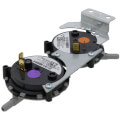
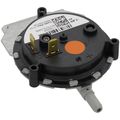
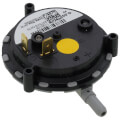
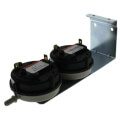
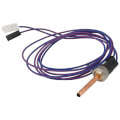
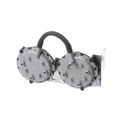
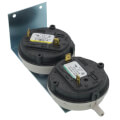
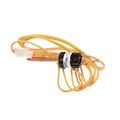
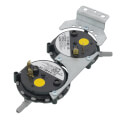
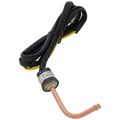

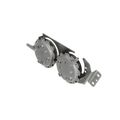
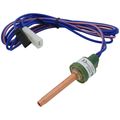
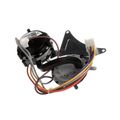
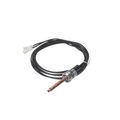

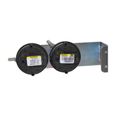
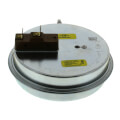
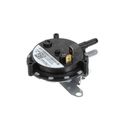
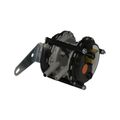
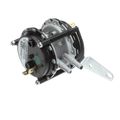
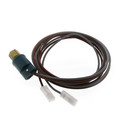
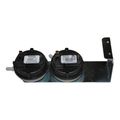
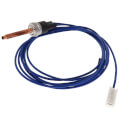
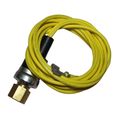
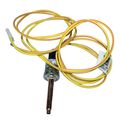
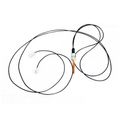
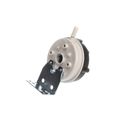
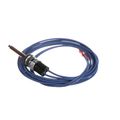
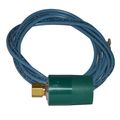

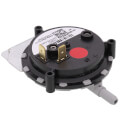
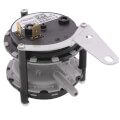
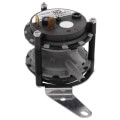
ICP Heil Quaker Pressure Switches are OEM replacement parts used on ICP, Heil, and Tempstar residential furnaces to monitor draft and combustion airflow before and during a heating cycle. Heil Quaker's 1179133 switch, for example, is an SPST design that trips at a 0.80 inch water column setpoint, matching the specific pressure the induced draft blower needs to reach before the ignition sequence can proceed. Techs stock these switches for furnace service calls where a failed pressure switch is preventing ignition or shutting a unit down mid-cycle, a common failure point on older furnaces. The category includes single and dual pressure switch designs, along with vent and high-pressure switches used across different points in a furnace's safety circuit. Matching the exact OEM part number to the furnace model keeps the safety circuit calibrated to the setpoint the manufacturer designed it around, rather than an aftermarket switch that trips at a different pressure.
Subcategories
- SPST Pressure Switches: Single pole single throw pressure switches are the most common design in the ICP Heil Quaker lineup, closing or opening a single circuit at a factory-set pressure point. The 1179133 model trips at a 0.80 inch water column setpoint, confirming the draft inducer has reached the pressure needed before the furnace proceeds with ignition. Techs replace these switches when a furnace fails to ignite or locks out on a pressure switch fault code. Setpoint has to match the original part exactly, since a different trip pressure can prevent proper draft verification.
- Dual Pressure Switches: Dual pressure switches monitor two separate pressure points in a single component, reducing the part count in furnaces designed around a two-stage or two-speed draft inducer. The 1191551 model is Heil Quaker's dual pressure switch design used across compatible ICP furnace platforms. The dual style suits furnaces that need to verify draft at two different firing rates rather than a single fixed point. Replacing a dual switch with two separate single switches is not a like-for-like substitution on furnaces designed around the dual design.
- Vent and High-Pressure Switches: Vent pressure switches, like the 609537 model, monitor venting conditions separately from the primary draft inducer circuit on certain furnace platforms. High-pressure switches, such as the 1178028 rated at a 660-505 setpoint, serve a different function tied to refrigerant-side pressure monitoring on combined heating and cooling systems. Both switch types protect against a specific failure mode outside the standard induced draft circuit. Confirming which switch type a furnace calls for prevents installing a part that monitors the wrong point in the system.
Buying Guide
Ordering the correct ICP Heil Quaker Pressure Switches starts with the exact OEM part number stamped on the furnace's original switch or listed in the unit's parts manual, since setpoint and switch design both vary by model and are not interchangeable across furnace platforms. An SPST switch like the 1179133, rated at a 0.80 inch water column setpoint, only confirms proper draft on the specific furnace models it was designed for. Installing a switch rated for a different setpoint can either prevent ignition entirely or, worse, allow the furnace to fire without adequate draft verification. Furnaces built around a two-stage or two-speed draft inducer typically need a dual pressure switch, like the 1191551, rather than two separate single switches, since the dual design is built to monitor both firing rates through one component. Vent pressure switches and high-pressure switches serve different functions from the primary draft switch and should not be confused with it during diagnosis, since a fault on one does not necessarily point to a problem with another. When a switch is failing intermittently or tripping under normal operating conditions, checking for blocked pressure tubing, a cracked hose, or a restricted vent is worth doing before replacing the switch outright, since airflow restrictions elsewhere in the system can mimic a bad switch. Keeping the OEM part number on hand from a furnace's data plate or parts manual is the fastest way to order the correct replacement without guessing at setpoint or switch type.
Frequently Asked Questions
How do I find the correct replacement pressure switch for an ICP or Heil Quaker furnace?
The fastest way to identify the correct part is the OEM part number stamped on the original switch or listed in the furnace's parts manual. ICP Heil Quaker Pressure Switches are not interchangeable across furnace platforms since setpoint and switch design vary by model. Ordering by exact part number, rather than by setpoint alone, avoids installing a switch that does not match the original safety circuit design.
What does a 0.80 inch water column setpoint mean on a pressure switch?
A setpoint like 0.80 inch water column is the specific negative pressure the induced draft blower has to reach before the switch closes and allows the furnace to continue its ignition sequence. The 1179133 SPST switch is factory calibrated to that exact setpoint. A furnace will not ignite, or will lock out, if the draft inducer cannot reach the pressure the switch is calibrated to detect.
What is the difference between a single and dual pressure switch?
A single, or SPST, pressure switch monitors one pressure point and is used on furnaces with a single-speed draft inducer. A dual pressure switch, like the 1191551, monitors two separate pressure points within one component, matching furnaces built around a two-stage or two-speed inducer. The two designs are not interchangeable, since a furnace built around a dual switch depends on both monitored points working through the same component.
What is a vent pressure switch used for on a furnace?
A vent pressure switch monitors venting conditions on certain furnace platforms separately from the primary induced draft circuit. The 609537 model is one example used across compatible ICP and Heil Quaker furnace models. It protects against a different failure mode than the main draft switch, so a vent switch fault should be diagnosed separately from a standard draft pressure switch fault.
Why would a furnace pressure switch fail even if the switch itself is not defective?
Blocked pressure tubing, a cracked hose, or a restricted vent can all prevent the draft inducer from reaching the pressure a switch is calibrated to detect, mimicking a failed switch. Checking these points before replacing a pressure switch can save an unnecessary part swap. If airflow and tubing are confirmed clear and the switch still will not close at its rated setpoint, the switch itself is the likely failure point.
