




Iron Pipe
Iron pipe covers black and galvanized steel pipe, nipples, and threaded fittings used across plumbing, gas, and fire protection work. Black iron pipe is the standard choice for natural gas and propane lines, while galvanized pipe adds a zinc coating suited to water lines and outdoor or damp installations where corrosion resistance matters most.
Contractors reach for iron pipe when a job calls for threaded connections that hold up under pressure and heat, from boiler rooms to commercial kitchens. Because the material is rigid and widely standardized, it pairs with a broad range of fittings, making it easier to source replacement parts and match existing runs during repair or retrofit work.

-new-main.jpg)
-new-main.jpg)


Subcategories
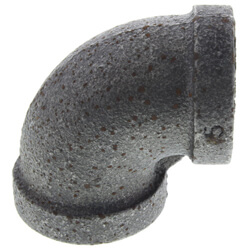
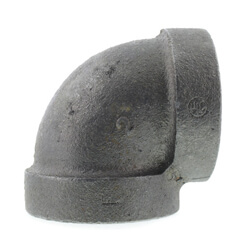
- Black Fittings (Domestic): Domestically manufactured black malleable iron fittings connect black pipe in gas, compressed air, and steam applications. Contractors favor domestic fittings when a job specification calls for verified US sourcing or tighter dimensional tolerances. They thread onto standard black pipe without modification.
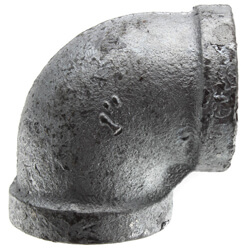
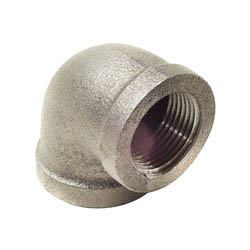
- Black Fittings (Imported): Imported black malleable iron fittings offer the same threaded connections as domestic versions at a different price point. Plumbing and HVAC crews use them for gas piping, low pressure steam, and general black iron assemblies. They cover the same common sizes and configurations as domestic stock.
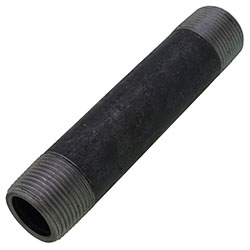
- Black Nipples (Domestic): Domestic black nipples are short threaded pipe segments used to join fittings, valves, and equipment on black iron systems. Crews keep an assortment on hand for gas appliance hookups and boiler room piping. Domestic manufacturing appeals to contractors working under Buy American requirements.
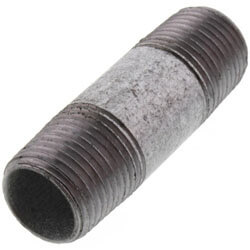
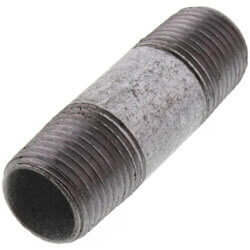
- Black Nipples (Imported): Imported black nipples serve the same threaded connector role as domestic stock across gas and steam piping. They come in the close, standard, and extra long lengths contractors need to bridge fittings and equipment connections. Availability across common sizes makes them a frequent stock item.
- Black Schedule 80 Nipples: Schedule 80 black nipples have a thicker wall than standard schedule 40 stock, giving them extra strength for higher pressure gas and steam applications. Contractors specify them where code or equipment manufacturers call for a heavier duty connector. The added wall thickness also holds up better against repeated threading.
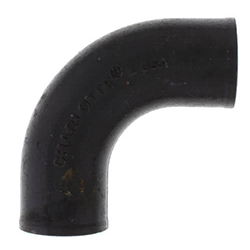
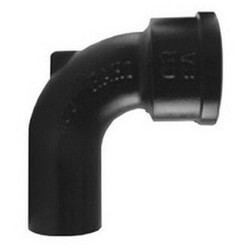
- Cast Iron Drainage Fittings: Cast iron drainage fittings connect cast iron pipe in drain, waste, and vent systems, particularly in commercial and multi-family buildings where sound dampening and durability are priorities. Their weight and rigidity help control noise from wastewater flow better than lighter plastic alternatives. Plumbers match fitting size and hub style to the existing cast iron run before ordering replacements.
Buying Guide
Choosing between black and galvanized iron pipe starts with the application. Black iron pipe is the standard for fuel gas lines because its uncoated surface will not react with natural gas or propane, while galvanized pipe suits water distribution and any run exposed to moisture, since the zinc coating slows rust formation.
Wall thickness is the next decision point. Schedule 40 pipe and fittings handle most residential and light commercial installations, while schedule 80 iron pipe adds wall thickness for higher pressure systems, industrial boiler rooms, or anywhere code calls for extra margin against wear from threading and vibration.
Domestic versus imported fittings often comes down to project requirements rather than performance differences in typical use. Government contracts, certain commercial specifications, or a customer preference for Buy American materials point toward domestic stock, while imported fittings cover the same sizes for jobs without that restriction.
Cast iron drainage fittings deserve a separate look from the pressure-rated pipe above them, since drain, waste, and vent work has different priorities. Weight and noise dampening matter more than pressure rating here, which is why cast iron remains common in multi-family and commercial buildings even where lighter materials would meet code.
Matching thread type and pipe size to existing infrastructure prevents callbacks. Iron pipe uses NPT threading, so fittings, nipples, and valves from different manufacturers generally interchange as long as the size and schedule match, which lets a crew source replacement parts locally rather than special ordering an exact original part.
Frequently Asked Questions
What is the difference between black iron pipe and galvanized pipe?
Black iron pipe has an uncoated surface and is the standard for fuel gas lines, since the zinc coating on galvanized pipe can react with natural gas over time. Galvanized pipe is better suited to water lines and damp environments where its coating slows corrosion.
Can black iron pipe be used for water lines?
Black iron pipe is not typically used for potable water because it lacks a protective coating and will rust when exposed to water over time. Galvanized pipe or another corrosion resistant material is the better choice for water distribution.
When should schedule 80 nipples be used instead of schedule 40?
Schedule 80 nipples make sense when a system runs at higher pressure or when code or equipment specifications call for extra wall thickness. Boiler rooms and industrial steam systems commonly call for schedule 80 to handle the added stress.
Do domestic and imported iron fittings fit together?
Yes, domestic and imported black and galvanized fittings both follow standard NPT threading and sizing, so they thread together without issue. The choice between them usually comes down to sourcing requirements rather than compatibility.
Why use cast iron fittings instead of plastic on a drain line?
Cast iron carries more mass than plastic pipe, which helps absorb the sound of wastewater moving through the line. That noise dampening is a common reason building codes or owners specify cast iron drainage fittings in multi-family and commercial buildings.
Resources
Subcategories
- Black Fittings (Domestic): Domestically manufactured black malleable iron fittings connect black pipe in gas, compressed air, and steam applications. Contractors favor domestic fittings when a job specification calls for verified US sourcing or tighter dimensional tolerances. They thread onto standard black pipe without modification.
- Black Fittings (Imported): Imported black malleable iron fittings offer the same threaded connections as domestic versions at a different price point. Plumbing and HVAC crews use them for gas piping, low pressure steam, and general black iron assemblies. They cover the same common sizes and configurations as domestic stock.
- Black Nipples (Domestic): Domestic black nipples are short threaded pipe segments used to join fittings, valves, and equipment on black iron systems. Crews keep an assortment on hand for gas appliance hookups and boiler room piping. Domestic manufacturing appeals to contractors working under Buy American requirements.
- Black Nipples (Imported): Imported black nipples serve the same threaded connector role as domestic stock across gas and steam piping. They come in the close, standard, and extra long lengths contractors need to bridge fittings and equipment connections. Availability across common sizes makes them a frequent stock item.
- Black Schedule 80 Nipples: Schedule 80 black nipples have a thicker wall than standard schedule 40 stock, giving them extra strength for higher pressure gas and steam applications. Contractors specify them where code or equipment manufacturers call for a heavier duty connector. The added wall thickness also holds up better against repeated threading.
- Cast Iron Drainage Fittings: Cast iron drainage fittings connect cast iron pipe in drain, waste, and vent systems, particularly in commercial and multi-family buildings where sound dampening and durability are priorities. Their weight and rigidity help control noise from wastewater flow better than lighter plastic alternatives. Plumbers match fitting size and hub style to the existing cast iron run before ordering replacements.
Buying Guide
Choosing between black and galvanized iron pipe starts with the application. Black iron pipe is the standard for fuel gas lines because its uncoated surface will not react with natural gas or propane, while galvanized pipe suits water distribution and any run exposed to moisture, since the zinc coating slows rust formation.
Wall thickness is the next decision point. Schedule 40 pipe and fittings handle most residential and light commercial installations, while schedule 80 iron pipe adds wall thickness for higher pressure systems, industrial boiler rooms, or anywhere code calls for extra margin against wear from threading and vibration.
Domestic versus imported fittings often comes down to project requirements rather than performance differences in typical use. Government contracts, certain commercial specifications, or a customer preference for Buy American materials point toward domestic stock, while imported fittings cover the same sizes for jobs without that restriction.
Cast iron drainage fittings deserve a separate look from the pressure-rated pipe above them, since drain, waste, and vent work has different priorities. Weight and noise dampening matter more than pressure rating here, which is why cast iron remains common in multi-family and commercial buildings even where lighter materials would meet code.
Matching thread type and pipe size to existing infrastructure prevents callbacks. Iron pipe uses NPT threading, so fittings, nipples, and valves from different manufacturers generally interchange as long as the size and schedule match, which lets a crew source replacement parts locally rather than special ordering an exact original part.
Frequently Asked Questions
What is the difference between black iron pipe and galvanized pipe?
Black iron pipe has an uncoated surface and is the standard for fuel gas lines, since the zinc coating on galvanized pipe can react with natural gas over time. Galvanized pipe is better suited to water lines and damp environments where its coating slows corrosion.
Can black iron pipe be used for water lines?
Black iron pipe is not typically used for potable water because it lacks a protective coating and will rust when exposed to water over time. Galvanized pipe or another corrosion resistant material is the better choice for water distribution.
When should schedule 80 nipples be used instead of schedule 40?
Schedule 80 nipples make sense when a system runs at higher pressure or when code or equipment specifications call for extra wall thickness. Boiler rooms and industrial steam systems commonly call for schedule 80 to handle the added stress.
Do domestic and imported iron fittings fit together?
Yes, domestic and imported black and galvanized fittings both follow standard NPT threading and sizing, so they thread together without issue. The choice between them usually comes down to sourcing requirements rather than compatibility.
Why use cast iron fittings instead of plastic on a drain line?
Cast iron carries more mass than plastic pipe, which helps absorb the sound of wastewater moving through the line. That noise dampening is a common reason building codes or owners specify cast iron drainage fittings in multi-family and commercial buildings.