




Filters
SORT
Product Availability –
Brand –
Size –
Review Score –
 --%3E %3Csvg version='1.1' id='Fill' xmlns='http://www.w3.org/2000/svg' xmlns:xlink='http://www.w3.org/1999/xlink' x='0px' y='0px' viewBox='0 0 100 100' enable-background='new 0 0 100 100' xml:space='preserve'%3E %3Cpath fill='%23F15C02' d='M79.44,0.95H20.56C9.78,0.95,0.95,9.78,0.95,20.56v58.87c0,10.79,8.82,19.61,19.61,19.61h58.87 c10.79,0,19.61-8.83,19.61-19.61V20.56C99.05,9.78,90.22,0.95,79.44,0.95z M65.38,58.24l9.38,29.58L49.69,69.78L24.5,87.82 l9.34-29.6L8.8,39.6l30.73-0.17c0,0,6.98-19.61,10-28.93c0.54,1.36,9.88,29.1,9.88,29.1H91.2L65.38,58.24z'/%3E %3C/svg%3E)
 --%3E %3Csvg version='1.1' id='With-RB' xmlns='http://www.w3.org/2000/svg' xmlns:xlink='http://www.w3.org/1999/xlink' x='0px' y='0px' viewBox='0 0 100 100' enable-background='new 0 0 100 100' xml:space='preserve'%3E %3Cpath fill='%23FBC8B4' d='M79.44,0.95H20.56C9.78,0.95,0.95,9.78,0.95,20.56v58.87c0,10.79,8.82,19.61,19.61,19.61h58.87 c10.79,0,19.61-8.83,19.61-19.61V20.56C99.05,9.78,90.22,0.95,79.44,0.95z M65.38,58.24l9.38,29.58L49.69,69.78L24.5,87.82 l9.34-29.6L8.8,39.6l30.73-0.17c0,0,6.98-19.61,10-28.93c0.54,1.36,9.88,29.1,9.88,29.1H91.2L65.38,58.24z'/%3E %3C/svg%3E)
Price Range –
Junction Boxes


 --%3E %3Csvg version='1.1' id='No-RB' xmlns='http://www.w3.org/2000/svg' xmlns:xlink='http://www.w3.org/1999/xlink' x='0px' y='0px' viewBox='0 0 100 100' enable-background='new 0 0 100 100' xml:space='preserve'%3E %3Cpath fill='%23CECECE' d='M79.44,0.95H20.56C9.78,0.95,0.95,9.78,0.95,20.56v58.87c0,10.79,8.82,19.61,19.61,19.61h58.87 c10.79,0,19.61-8.83,19.61-19.61V20.56C99.05,9.78,90.22,0.95,79.44,0.95z M65.38,58.24l9.38,29.58L49.69,69.78L24.5,87.82 l9.34-29.6L8.8,39.6l30.73-0.17c0,0,6.98-19.61,10-28.93c0.54,1.36,9.88,29.1,9.88,29.1H91.2L65.38,58.24z'/%3E %3C/svg%3E)

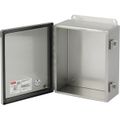
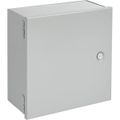
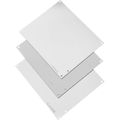
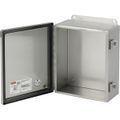
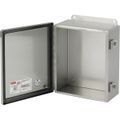
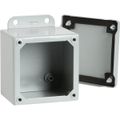
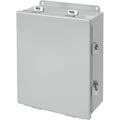
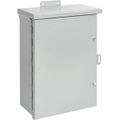
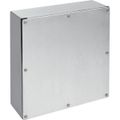
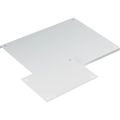
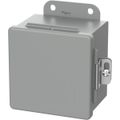
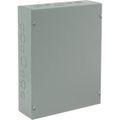
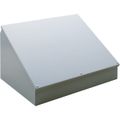
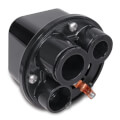


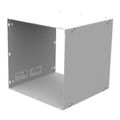


Junction boxes are enclosures that house wire splices, protecting the connections from damage and keeping them accessible for future service instead of buried behind a wall or ceiling. Electricians install them anywhere wires are spliced, tapped, or terminated, whether that's mid-run in an attic, at a fixture location, or wherever a circuit branches to feed multiple outlets. Local electrical code generally requires that any splice be enclosed in a box with a cover rather than left exposed, and that the box remain accessible rather than permanently concealed behind finished surfaces. HVAC and plumbing trades also use junction boxes for equipment connections, such as wiring a condensing unit, exhaust fan, or water heater element, where the box protects the splice from moisture and physical damage. Box size needs to account for the number and gauge of conductors entering it, since code sets minimum interior volume requirements based on wire count and size.
Subcategories
- Single-Gang Junction Boxes: Single-gang boxes are the smallest common size, sized for a handful of conductors or a single device like a switch or receptacle mounted to the same box. They're the most frequently installed box on a typical residential rough-in. Available in metal and nonmetallic versions, the material choice usually follows whatever wiring method, cable or conduit, is used on the rest of the job.
- Weatherproof Junction Boxes: Weatherproof boxes use gasketed covers and sealed conduit entries to keep moisture out of outdoor or damp-location splices. Contractors use them for exterior lighting circuits, HVAC condensing unit connections, and any splice exposed to rain or irrigation spray. A weatherproof box installed with the wrong conduit fittings loses its rating, so matching sealed fittings to the box is part of the installation, not an afterthought.
- Round Junction Boxes: Round boxes are commonly used for ceiling-mounted fixtures and fans, where a round cover plate or canopy needs to match the box's shape. Their smaller footprint compared to a square box suits tight ceiling fixture locations. Fan-rated round boxes are built to support the added weight and vibration of a ceiling fan, which a standard lighting box isn't rated for.
- Junction Box Covers and Accessories: Covers, mounting brackets, and cable clamps round out a junction box installation and are often sold separately from the box itself. A blank cover is used where the box only contains a splice with no device, while a device cover supports a switch or receptacle. Matching the cover's shape and mounting pattern to the box avoids a gap that would fail an inspection.
Buying Guide
Box size should be worked out from the number and gauge of conductors that will actually enter it, since electrical code sets a minimum interior volume per conductor and an undersized box is a common rough-in mistake that fails inspection. Material choice generally follows the wiring method already in use on the job: metal boxes pair naturally with metal conduit and provide a grounding path through the box itself, while nonmetallic boxes are common with NM cable in residential work. Location drives a few other decisions: a box in a damp or outdoor location needs a weatherproof rating with gasketed covers and sealed conduit fittings, while a ceiling fixture or fan location calls for a round, fan-rated box that can support the added weight. Junction boxes for HVAC and water heater connections are frequently exposed to vibration or moisture near the equipment, so a sealed or weatherproof box is worth the small extra cost even in a location that's technically indoors. Cover selection depends on what's inside the box: a blank cover suits a splice-only box, while a device cover is needed if a switch or receptacle mounts to the same box. Confirming the box remains accessible after finishes go on, rather than getting sealed behind drywall, is a code requirement that's easy to overlook during a fast rough-in.
Frequently Asked Questions
Can a wire splice be left without a junction box if it's inside a wall?
No. Code generally requires every splice to be enclosed in an approved box with a cover, and that box needs to stay accessible rather than being permanently covered by drywall or another finished surface.
How is junction box size determined?
Electrical code sets a minimum interior volume based on the number and gauge of conductors entering the box, along with any devices or clamps inside it. Undersized boxes are a common rough-in error that shows up during inspection.
When does a junction box need a weatherproof rating?
Any box installed outdoors, in a damp location, or exposed to spray or moisture, such as near an HVAC condensing unit, needs a weatherproof box with gasketed covers and sealed conduit entries. A standard indoor box loses its protection if installed in one of these locations.
Can a standard box support a ceiling fan?
Not unless it's specifically rated for fan support. A standard lighting box isn't built to handle the weight and vibration of a ceiling fan, so a fan-rated box is needed at that location.
What's the difference between metal and nonmetallic junction boxes?
Metal boxes provide a grounding path through the box itself and pair naturally with metal conduit, while nonmetallic boxes are common with NM cable in residential wiring. The choice usually follows whichever wiring method is already used on the rest of the job.
