



Filters
SORT
Product Availability –
Review Score –
 --%3E %3Csvg version='1.1' id='Fill' xmlns='http://www.w3.org/2000/svg' xmlns:xlink='http://www.w3.org/1999/xlink' x='0px' y='0px' viewBox='0 0 100 100' enable-background='new 0 0 100 100' xml:space='preserve'%3E %3Cpath fill='%23F15C02' d='M79.44,0.95H20.56C9.78,0.95,0.95,9.78,0.95,20.56v58.87c0,10.79,8.82,19.61,19.61,19.61h58.87 c10.79,0,19.61-8.83,19.61-19.61V20.56C99.05,9.78,90.22,0.95,79.44,0.95z M65.38,58.24l9.38,29.58L49.69,69.78L24.5,87.82 l9.34-29.6L8.8,39.6l30.73-0.17c0,0,6.98-19.61,10-28.93c0.54,1.36,9.88,29.1,9.88,29.1H91.2L65.38,58.24z'/%3E %3C/svg%3E)
 --%3E %3Csvg version='1.1' id='With-RB' xmlns='http://www.w3.org/2000/svg' xmlns:xlink='http://www.w3.org/1999/xlink' x='0px' y='0px' viewBox='0 0 100 100' enable-background='new 0 0 100 100' xml:space='preserve'%3E %3Cpath fill='%23FBC8B4' d='M79.44,0.95H20.56C9.78,0.95,0.95,9.78,0.95,20.56v58.87c0,10.79,8.82,19.61,19.61,19.61h58.87 c10.79,0,19.61-8.83,19.61-19.61V20.56C99.05,9.78,90.22,0.95,79.44,0.95z M65.38,58.24l9.38,29.58L49.69,69.78L24.5,87.82 l9.34-29.6L8.8,39.6l30.73-0.17c0,0,6.98-19.61,10-28.93c0.54,1.36,9.88,29.1,9.88,29.1H91.2L65.38,58.24z'/%3E %3C/svg%3E)
Price Range –
Lennox Blower Wheels

 --%3E %3Csvg version='1.1' id='No-RB' xmlns='http://www.w3.org/2000/svg' xmlns:xlink='http://www.w3.org/1999/xlink' x='0px' y='0px' viewBox='0 0 100 100' enable-background='new 0 0 100 100' xml:space='preserve'%3E %3Cpath fill='%23CECECE' d='M79.44,0.95H20.56C9.78,0.95,0.95,9.78,0.95,20.56v58.87c0,10.79,8.82,19.61,19.61,19.61h58.87 c10.79,0,19.61-8.83,19.61-19.61V20.56C99.05,9.78,90.22,0.95,79.44,0.95z M65.38,58.24l9.38,29.58L49.69,69.78L24.5,87.82 l9.34-29.6L8.8,39.6l30.73-0.17c0,0,6.98-19.61,10-28.93c0.54,1.36,9.88,29.1,9.88,29.1H91.2L65.38,58.24z'/%3E %3C/svg%3E)

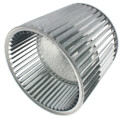

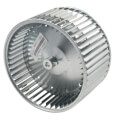
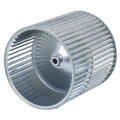
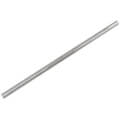
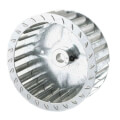
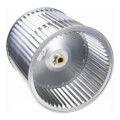
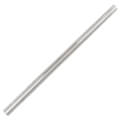
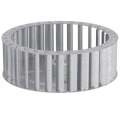
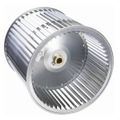
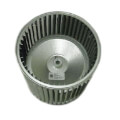
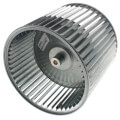
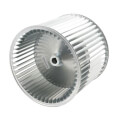

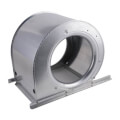
Lennox blower wheels are the squirrel cage fans mounted inside a furnace or air handler blower assembly that move conditioned air through the ductwork. Over years of operation, a blower wheel can lose balance, accumulate dust and debris between its blades, or develop cracks at the hub, all of which reduce airflow and put extra strain on the blower motor. Because the wheel has to slide onto the motor shaft and fit inside the blower housing, replacements are matched by diameter, width, and bore size rather than sold as a one-size-fits-all part. A tech replacing a Lennox blower wheel is typically responding to reduced airflow, unusual noise from the blower compartment, or a wheel that's visibly out of balance or damaged.
Subcategories
- Standard Diameter Blower Wheels: These are the most common replacement size range covering typical residential furnace and air handler applications. Matching the exact diameter and width to the original wheel keeps airflow performance consistent with the unit's original design.
- Wide-Width Blower Wheels: Wider blower wheels move higher air volume and are used on larger capacity furnaces and air handlers where the standard width wheel wouldn't move enough conditioned air. These fit units with a correspondingly larger blower housing.
- Blower Wheel Set Screws & Hub Hardware: Set screws and hub hardware secure the blower wheel to the motor shaft, and a loose or stripped set screw is a common cause of a wheel that wobbles or slips out of position during operation. Replacing this hardware alongside the wheel prevents a repeat callback.
Buying Guide
Ordering a replacement Lennox blower wheel starts with measuring the original wheel's diameter, width, and bore size, since these dimensions determine both airflow performance and whether the wheel physically fits the blower housing and motor shaft. The wheel's rotation direction, clockwise or counterclockwise when viewed from the motor side, also has to match the original, since a wheel built for the wrong rotation won't move air efficiently even if it's otherwise the correct size.
Symptoms can help confirm that the wheel itself, rather than the motor, is the source of a problem. A blower that runs but moves noticeably less air than before often points to a wheel with debris buildup between the blades or a bent blade affecting airflow. Rattling, knocking, or vibration from the blower compartment more often points to an out-of-balance or cracked wheel, especially one that's loose on the motor shaft due to a worn set screw.
Replacing the set screw or hub hardware along with the wheel is worth doing on any job where the original hardware shows wear, since a stripped or loose set screw is a common reason a properly sized wheel still ends up misaligned on the shaft after installation. Confirming the bore size against the motor shaft diameter before the job starts avoids finding out on-site that the new wheel doesn't seat correctly.
Frequently Asked Questions
How do I know what size Lennox blower wheel I need?
Measure the original wheel's diameter, width, and bore size before ordering. These dimensions determine both fit inside the blower housing and how much air the wheel will move.
What causes a blower wheel to become unbalanced?
Dust and debris buildup between the blades, a bent blade, or a crack at the hub can all throw a blower wheel out of balance, leading to noise and vibration during operation.
Does the rotation direction of a blower wheel matter?
Yes. A blower wheel is built to spin in a specific direction, clockwise or counterclockwise when viewed from the motor side, and installing one built for the wrong rotation will reduce airflow even if the size is correct.
Should I replace the set screw when replacing a blower wheel?
It's a good idea, especially if the original hardware shows wear. A stripped or loose set screw can let even a correctly sized wheel wobble or shift on the motor shaft after installation.
What are signs a blower wheel needs to be replaced?
Reduced airflow, rattling or knocking noise from the blower compartment, and visible debris buildup, bent blades, or cracks at the hub are common signs that point to a wheel needing replacement.
