



Lennox Parts - Furnace & AC
Lennox Parts are the components needed to service Lennox furnaces, air conditioners, heat pumps, and air handlers. They range from capacitors and electrical parts to fan motors and conversion kits. Lennox equipment spans multiple product lines and decades of production, so part fitment depends heavily on the specific model and serial number rather than the equipment type alone.
Technicians commonly shop this category when diagnosing a failed start capacitor, replacing a worn condensate pump, or converting a furnace between natural gas and propane. Verifying compatibility against the original part number before ordering helps avoid delays caused by a mismatched replacement arriving on site.
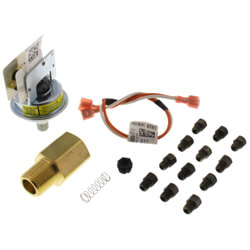
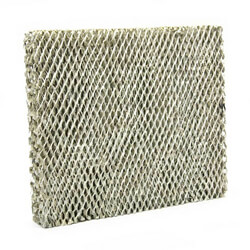

Subcategories
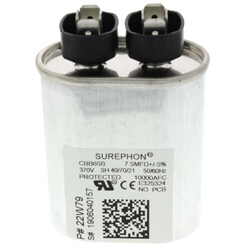
- Lennox Capacitors: Capacitors store and release electrical energy. They start and run motors in compressors, fan motors, and blower assemblies. A capacitor that has weakened or failed often causes a motor to hum without starting, or to run at reduced speed. Matching microfarad rating and voltage to the original capacitor is necessary for correct operation.
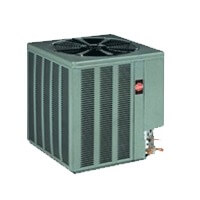
- Lennox Compressors & Parts: Compressors and related components keep the refrigeration circuit running in Lennox air conditioners and heat pumps. Related components include contactors, terminals, and mounting hardware. Replacement compressors must match the original unit's tonnage, refrigerant type, and electrical rating. A failing compressor is typically identified through abnormal amperage draw or pressure readings outside the manufacturer's specified range.
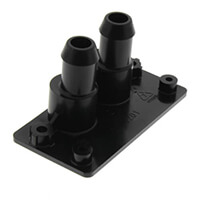
- Lennox Condensate Pumps & Supplies: Condensate pumps remove the water produced during cooling or heating operation in installations where gravity drainage isn't possible. Supplies in this category include tubing, check valves, and float switches used alongside the pump itself. A pump that runs continuously or fails to shut off often signals a stuck float switch or a clogged line rather than a failed motor.
- Lennox Conversion Kits: Conversion kits allow a Lennox furnace to switch between natural gas and propane by replacing the orifices, regulator, and related components sized for each fuel type. Installing the correct kit for the specific furnace model is necessary for safe combustion and proper burner performance. Technicians typically perform this conversion during initial installation or when a property's fuel source changes.
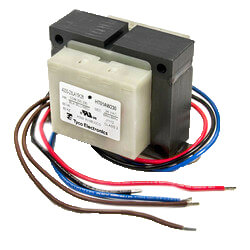
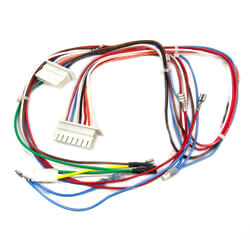
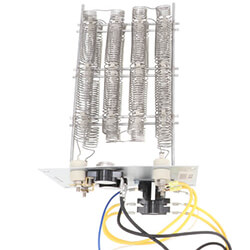
- Lennox Electrical Parts: Electrical parts in this category include relays, transformers, terminals, and wiring components used throughout Lennox heating and cooling equipment. Technicians often replace these parts during troubleshooting when a unit loses power intermittently or fails a safety circuit check. Confirming voltage and amperage ratings against the original component avoids compatibility issues during replacement.
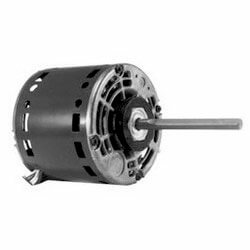
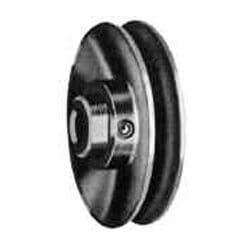
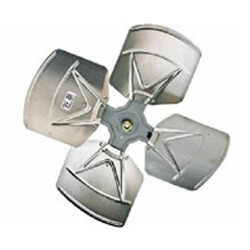
- Lennox Fan Motors & Blades: Fan motors and blades move air across the outdoor condenser coil or through the indoor blower compartment depending on their application. Replacement motors need to match horsepower, rotation direction, and mounting style to the original unit, while blades must match diameter and pitch. A motor that runs hot, hums without turning, or draws excess amperage is a common candidate for replacement.
Buying Guide
Ordering the correct Lennox part starts with locating the equipment's model and serial number, typically found on a nameplate inside the unit's access panel or cabinet. Lennox equipment spans decades of production, so the same component name can correspond to several different part numbers depending on production year.
Cross-referencing the number stamped on the failed part against the replacement listing is more reliable than matching by appearance. Similar-looking components can have different electrical ratings or mounting configurations. Technicians working from a service van benefit from photographing part labels on-site rather than relying on memory when placing an order later.
Electrical components such as capacitors, relays, and control boards tend to fail suddenly. Mechanical components like motors and pumps typically show warning signs first, such as unusual noise, reduced airflow, or slow drainage. Recognizing these early symptoms during a maintenance visit allows a planned repair instead of an emergency callback.
Conversion kits and other fuel-specific components require particular attention to the exact furnace model, since installing the wrong kit can affect combustion safety and burner performance. Confirming the furnace model against the kit before ordering is the most direct way to get the correct match.
Keeping frequently needed parts on hand, such as capacitors, condensate pumps, and common electrical components, reduces the number of trips required to complete routine Lennox service work. For less common or older equipment, ordering by verified part number remains the most dependable way to get a correct match on the first attempt.
Frequently Asked Questions
How do I find the model and serial number on my Lennox unit?
The nameplate is typically found inside the unit's access panel or on the cabinet. Both numbers are needed to confirm compatibility when ordering a replacement part.
Why did my Lennox capacitor fail?
Capacitors commonly fail due to age, heat exposure, or repeated power surges, and their capacitance value gradually degrades even under normal operating conditions. A multimeter reading below the rated microfarad value is a reliable way to confirm a failed capacitor.
Can I install a propane conversion kit myself?
Conversion kits involve combustion-related components and should be installed by a qualified technician familiar with the specific furnace model. Incorrect installation can affect burner performance and safe operation.
What causes a condensate pump to run constantly?
A stuck float switch, a clogged discharge line, or a pump that has lost prime are the most common causes of continuous operation. Clearing the line or replacing the float switch typically resolves the issue without needing to replace the entire pump.
Are Lennox fan motors interchangeable between furnace and air conditioner applications?
Some motors are used across multiple equipment types, but horsepower, rotation direction, and mounting configuration must still match the original unit regardless of application. Comparing the motor's specifications to the original unit confirms whether it fits a particular furnace or air conditioner.
Resources
Subcategories
- Lennox Capacitors: Capacitors store and release electrical energy. They start and run motors in compressors, fan motors, and blower assemblies. A capacitor that has weakened or failed often causes a motor to hum without starting, or to run at reduced speed. Matching microfarad rating and voltage to the original capacitor is necessary for correct operation.
- Lennox Compressors & Parts: Compressors and related components keep the refrigeration circuit running in Lennox air conditioners and heat pumps. Related components include contactors, terminals, and mounting hardware. Replacement compressors must match the original unit's tonnage, refrigerant type, and electrical rating. A failing compressor is typically identified through abnormal amperage draw or pressure readings outside the manufacturer's specified range.
- Lennox Condensate Pumps & Supplies: Condensate pumps remove the water produced during cooling or heating operation in installations where gravity drainage isn't possible. Supplies in this category include tubing, check valves, and float switches used alongside the pump itself. A pump that runs continuously or fails to shut off often signals a stuck float switch or a clogged line rather than a failed motor.
- Lennox Conversion Kits: Conversion kits allow a Lennox furnace to switch between natural gas and propane by replacing the orifices, regulator, and related components sized for each fuel type. Installing the correct kit for the specific furnace model is necessary for safe combustion and proper burner performance. Technicians typically perform this conversion during initial installation or when a property's fuel source changes.
- Lennox Electrical Parts: Electrical parts in this category include relays, transformers, terminals, and wiring components used throughout Lennox heating and cooling equipment. Technicians often replace these parts during troubleshooting when a unit loses power intermittently or fails a safety circuit check. Confirming voltage and amperage ratings against the original component avoids compatibility issues during replacement.
- Lennox Fan Motors & Blades: Fan motors and blades move air across the outdoor condenser coil or through the indoor blower compartment depending on their application. Replacement motors need to match horsepower, rotation direction, and mounting style to the original unit, while blades must match diameter and pitch. A motor that runs hot, hums without turning, or draws excess amperage is a common candidate for replacement.
Buying Guide
Ordering the correct Lennox part starts with locating the equipment's model and serial number, typically found on a nameplate inside the unit's access panel or cabinet. Lennox equipment spans decades of production, so the same component name can correspond to several different part numbers depending on production year.
Cross-referencing the number stamped on the failed part against the replacement listing is more reliable than matching by appearance. Similar-looking components can have different electrical ratings or mounting configurations. Technicians working from a service van benefit from photographing part labels on-site rather than relying on memory when placing an order later.
Electrical components such as capacitors, relays, and control boards tend to fail suddenly. Mechanical components like motors and pumps typically show warning signs first, such as unusual noise, reduced airflow, or slow drainage. Recognizing these early symptoms during a maintenance visit allows a planned repair instead of an emergency callback.
Conversion kits and other fuel-specific components require particular attention to the exact furnace model, since installing the wrong kit can affect combustion safety and burner performance. Confirming the furnace model against the kit before ordering is the most direct way to get the correct match.
Keeping frequently needed parts on hand, such as capacitors, condensate pumps, and common electrical components, reduces the number of trips required to complete routine Lennox service work. For less common or older equipment, ordering by verified part number remains the most dependable way to get a correct match on the first attempt.
Frequently Asked Questions
How do I find the model and serial number on my Lennox unit?
The nameplate is typically found inside the unit's access panel or on the cabinet. Both numbers are needed to confirm compatibility when ordering a replacement part.
Why did my Lennox capacitor fail?
Capacitors commonly fail due to age, heat exposure, or repeated power surges, and their capacitance value gradually degrades even under normal operating conditions. A multimeter reading below the rated microfarad value is a reliable way to confirm a failed capacitor.
Can I install a propane conversion kit myself?
Conversion kits involve combustion-related components and should be installed by a qualified technician familiar with the specific furnace model. Incorrect installation can affect burner performance and safe operation.
What causes a condensate pump to run constantly?
A stuck float switch, a clogged discharge line, or a pump that has lost prime are the most common causes of continuous operation. Clearing the line or replacing the float switch typically resolves the issue without needing to replace the entire pump.
Are Lennox fan motors interchangeable between furnace and air conditioner applications?
Some motors are used across multiple equipment types, but horsepower, rotation direction, and mounting configuration must still match the original unit regardless of application. Comparing the motor's specifications to the original unit confirms whether it fits a particular furnace or air conditioner.