




Filters
SORT
Product Availability –
Review Score –
 --%3E %3Csvg version='1.1' id='Fill' xmlns='http://www.w3.org/2000/svg' xmlns:xlink='http://www.w3.org/1999/xlink' x='0px' y='0px' viewBox='0 0 100 100' enable-background='new 0 0 100 100' xml:space='preserve'%3E %3Cpath fill='%23F15C02' d='M79.44,0.95H20.56C9.78,0.95,0.95,9.78,0.95,20.56v58.87c0,10.79,8.82,19.61,19.61,19.61h58.87 c10.79,0,19.61-8.83,19.61-19.61V20.56C99.05,9.78,90.22,0.95,79.44,0.95z M65.38,58.24l9.38,29.58L49.69,69.78L24.5,87.82 l9.34-29.6L8.8,39.6l30.73-0.17c0,0,6.98-19.61,10-28.93c0.54,1.36,9.88,29.1,9.88,29.1H91.2L65.38,58.24z'/%3E %3C/svg%3E)
 --%3E %3Csvg version='1.1' id='With-RB' xmlns='http://www.w3.org/2000/svg' xmlns:xlink='http://www.w3.org/1999/xlink' x='0px' y='0px' viewBox='0 0 100 100' enable-background='new 0 0 100 100' xml:space='preserve'%3E %3Cpath fill='%23FBC8B4' d='M79.44,0.95H20.56C9.78,0.95,0.95,9.78,0.95,20.56v58.87c0,10.79,8.82,19.61,19.61,19.61h58.87 c10.79,0,19.61-8.83,19.61-19.61V20.56C99.05,9.78,90.22,0.95,79.44,0.95z M65.38,58.24l9.38,29.58L49.69,69.78L24.5,87.82 l9.34-29.6L8.8,39.6l30.73-0.17c0,0,6.98-19.61,10-28.93c0.54,1.36,9.88,29.1,9.88,29.1H91.2L65.38,58.24z'/%3E %3C/svg%3E)
Price Range –
Limit Controls
 --%3E %3Csvg version='1.1' id='No-RB' xmlns='http://www.w3.org/2000/svg' xmlns:xlink='http://www.w3.org/1999/xlink' x='0px' y='0px' viewBox='0 0 100 100' enable-background='new 0 0 100 100' xml:space='preserve'%3E %3Cpath fill='%23CECECE' d='M79.44,0.95H20.56C9.78,0.95,0.95,9.78,0.95,20.56v58.87c0,10.79,8.82,19.61,19.61,19.61h58.87 c10.79,0,19.61-8.83,19.61-19.61V20.56C99.05,9.78,90.22,0.95,79.44,0.95z M65.38,58.24l9.38,29.58L49.69,69.78L24.5,87.82 l9.34-29.6L8.8,39.6l30.73-0.17c0,0,6.98-19.61,10-28.93c0.54,1.36,9.88,29.1,9.88,29.1H91.2L65.38,58.24z'/%3E %3C/svg%3E)

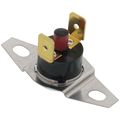
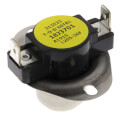
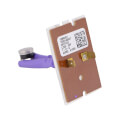
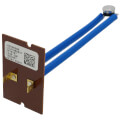
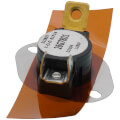
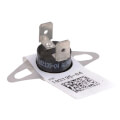
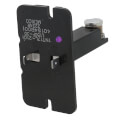
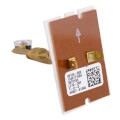
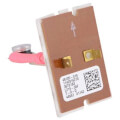
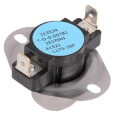

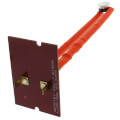
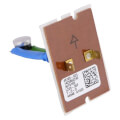
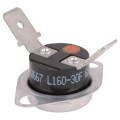
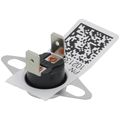
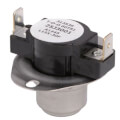
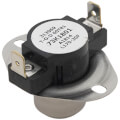
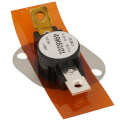
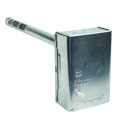
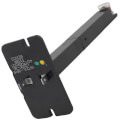
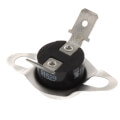
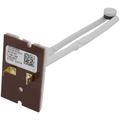
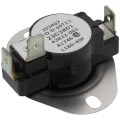
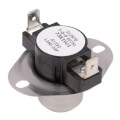
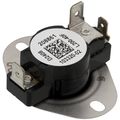
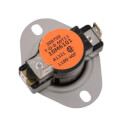
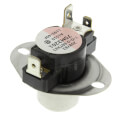
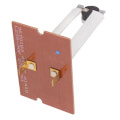
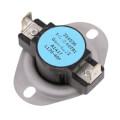
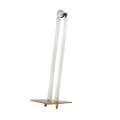
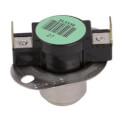
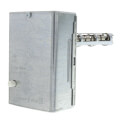
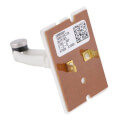
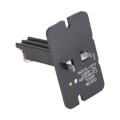
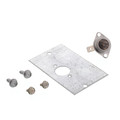
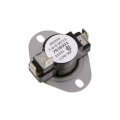
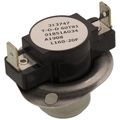
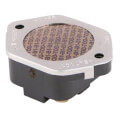
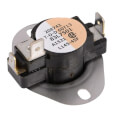
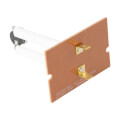
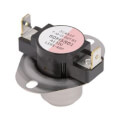

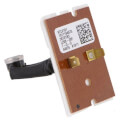
Lennox limit controls are safety switches used in Lennox furnaces and air handlers to monitor supply air or plenum temperature and shut down the burner or heating element if the unit overheats. A limit control opens its contacts once the sensed temperature exceeds a preset threshold, cutting power to the gas valve or heating circuit until the system cools back down to a safe range, which protects the heat exchanger and ductwork from damage caused by restricted airflow or a failed blower.
These controls are wired into the furnace's control board or directly into the gas valve circuit, depending on the unit's design, and they're a common replacement part when a furnace short-cycles, fails to start, or trips out on a nuisance high-limit fault. Matching the replacement control to the original part's temperature setting and mounting configuration keeps the furnace operating within the manufacturer's intended safety limits.
Subcategories
- Fixed Limit Switches: Fixed limit switches open at one preset temperature and can't be field-adjusted, which keeps the safety threshold consistent with the furnace manufacturer's original design and reduces the chance of a technician setting it incorrectly.
- Adjustable Limit Controls: Adjustable controls let a technician set the trip point within a specified range, useful when a furnace's airflow or duct configuration calls for a slightly different limit than the factory default while staying within the manufacturer's approved range.
- Combination Fan/Limit Controls: These controls combine the high-limit safety function with the fan-on/fan-off timing in a single device, commonly found on older furnace designs where one control handles both jobs instead of two separate switches.
Buying Guide
Match the replacement control to the exact furnace model or the original part number whenever possible. Lennox limit controls vary in trip temperature, mounting style, and electrical rating across different furnace series, and installing the wrong one can leave the furnace unprotected or cause nuisance shutdowns.
Check whether the original control is a fixed or adjustable type before ordering a replacement. Swapping a fixed limit for an adjustable one (or the reverse) can work in some cases, but the trip point still needs to match the furnace manufacturer's specified safety range.
Confirm the mounting configuration, since limit controls attach to the plenum or heat exchanger in different ways depending on the furnace design. A control with the wrong bracket or probe length may not sense temperature accurately even if the electrical rating matches.
Look at the electrical rating, including voltage and current, to make sure the replacement control can handle the load it will be switching, whether that's a gas valve, an inducer motor circuit, or a control board input.
If a furnace is repeatedly tripping its high limit, treat the control as a symptom to investigate rather than just a part to replace. Restricted airflow from a dirty filter, a failing blower motor, or blocked ductwork often causes the overheating that trips the limit in the first place.
Frequently Asked Questions
What does a furnace limit control actually do?
It monitors the temperature of the supply air or plenum and shuts off the burner or heating element if that temperature climbs above a safe threshold, protecting the heat exchanger from overheating damage.
Why does my furnace keep tripping on high limit?
Repeated high-limit trips usually point to restricted airflow, such as a dirty filter, closed supply registers, or a weak blower motor, rather than a failed control. Address the airflow issue first before assuming the control itself is bad.
Can I use a universal limit control instead of the Lennox-specific part?
A universal control can work if its trip temperature, mounting style, and electrical rating match the furnace manufacturer's specifications, but matching the original Lennox part number is the safest way to keep the safety function within the intended design.
What's the difference between a fixed and adjustable limit control?
A fixed control opens at one preset temperature that can't be changed in the field, while an adjustable control lets a technician set the trip point within a specified range to match the furnace's airflow characteristics.
Is a limit control the same thing as a rollout switch?
No. A limit control monitors supply air or plenum temperature, while a rollout switch detects flames escaping the burner compartment. Both are safety devices, but they protect against different failure conditions.
