




Filters
SORT
Product Availability –
Used With –
Review Score –
 --%3E %3Csvg version='1.1' id='Fill' xmlns='http://www.w3.org/2000/svg' xmlns:xlink='http://www.w3.org/1999/xlink' x='0px' y='0px' viewBox='0 0 100 100' enable-background='new 0 0 100 100' xml:space='preserve'%3E %3Cpath fill='%23F15C02' d='M79.44,0.95H20.56C9.78,0.95,0.95,9.78,0.95,20.56v58.87c0,10.79,8.82,19.61,19.61,19.61h58.87 c10.79,0,19.61-8.83,19.61-19.61V20.56C99.05,9.78,90.22,0.95,79.44,0.95z M65.38,58.24l9.38,29.58L49.69,69.78L24.5,87.82 l9.34-29.6L8.8,39.6l30.73-0.17c0,0,6.98-19.61,10-28.93c0.54,1.36,9.88,29.1,9.88,29.1H91.2L65.38,58.24z'/%3E %3C/svg%3E)
 --%3E %3Csvg version='1.1' id='With-RB' xmlns='http://www.w3.org/2000/svg' xmlns:xlink='http://www.w3.org/1999/xlink' x='0px' y='0px' viewBox='0 0 100 100' enable-background='new 0 0 100 100' xml:space='preserve'%3E %3Cpath fill='%23FBC8B4' d='M79.44,0.95H20.56C9.78,0.95,0.95,9.78,0.95,20.56v58.87c0,10.79,8.82,19.61,19.61,19.61h58.87 c10.79,0,19.61-8.83,19.61-19.61V20.56C99.05,9.78,90.22,0.95,79.44,0.95z M65.38,58.24l9.38,29.58L49.69,69.78L24.5,87.82 l9.34-29.6L8.8,39.6l30.73-0.17c0,0,6.98-19.61,10-28.93c0.54,1.36,9.88,29.1,9.88,29.1H91.2L65.38,58.24z'/%3E %3C/svg%3E)
Price Range –
Maxitrol Replacement Parts
 --%3E %3Csvg version='1.1' id='No-RB' xmlns='http://www.w3.org/2000/svg' xmlns:xlink='http://www.w3.org/1999/xlink' x='0px' y='0px' viewBox='0 0 100 100' enable-background='new 0 0 100 100' xml:space='preserve'%3E %3Cpath fill='%23CECECE' d='M79.44,0.95H20.56C9.78,0.95,0.95,9.78,0.95,20.56v58.87c0,10.79,8.82,19.61,19.61,19.61h58.87 c10.79,0,19.61-8.83,19.61-19.61V20.56C99.05,9.78,90.22,0.95,79.44,0.95z M65.38,58.24l9.38,29.58L49.69,69.78L24.5,87.82 l9.34-29.6L8.8,39.6l30.73-0.17c0,0,6.98-19.61,10-28.93c0.54,1.36,9.88,29.1,9.88,29.1H91.2L65.38,58.24z'/%3E %3C/svg%3E)

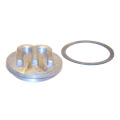
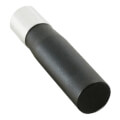
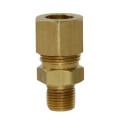
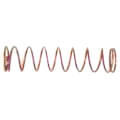
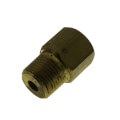

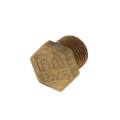
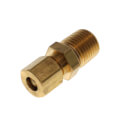
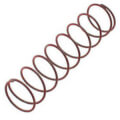

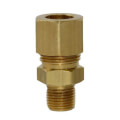
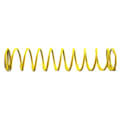

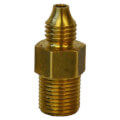
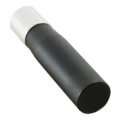
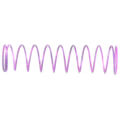
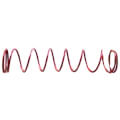
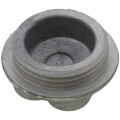


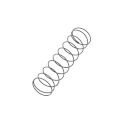
Maxitrol replacement parts are the regulators, orifices, and control components used to service gas pressure regulation systems on residential and commercial heating equipment. Technicians turn to these parts when a gas regulator starts drifting out of calibration, a vent limiter fails, or an orifice needs resizing for a fuel conversion or appliance swap. Because gas pressure regulation is safety-critical, matching the exact replacement part to the existing regulator model keeps the system operating within its rated pressure range rather than introducing an unverified substitute. Many of these components are rebuild kits rather than full regulator replacements, letting a tech restore an aging unit's factory performance without removing it from the gas line entirely. Having the correct spring, diaphragm, or orifice on the truck during a service call on gas-fired equipment avoids leaving a customer without heat or hot water while a part gets ordered.
Subcategories
- Regulator Rebuild Kits: Rebuild kits include the diaphragm, spring, and gasket components needed to restore an existing gas regulator to factory specification without replacing the entire unit. Techs use these kits during scheduled maintenance on aging regulators showing signs of pressure drift or a slow leak at the diaphragm seal. Matching the kit to the exact regulator model number keeps the rebuilt spring tension within the original pressure range.
- Orifices and Orifice Kits: Orifices control the volume of gas delivered to a burner or pilot assembly, and swapping to a different size is common during fuel conversions between natural gas and propane. Kits with multiple orifice sizes let a tech match the exact appliance specification on-site rather than guessing at a single fixed size. Getting orifice sizing wrong affects combustion efficiency and can trigger nuisance shutdowns on modern equipment with tighter tolerances.
- Vent Limiters and Adjustment Springs: Vent limiters and adjustment springs fine-tune how a regulator responds to pressure changes in the gas line, keeping downstream appliances within their rated operating pressure. Replacing a worn vent limiter addresses erratic pressure readings that a simple regulator cleaning won't fix. Techs working on commercial applications with multiple appliances on a shared line often replace these components as part of a broader pressure balancing service call.
- Regulator Housings and Caps: Housings and caps are the outer body components that protect the internal regulator mechanism from weather and physical damage on outdoor installations. Cracked or corroded housings are a common reason for water intrusion into an otherwise functional regulator. Replacing just the housing, rather than the full regulator assembly, is often the more economical repair when the internal components are still within spec.
Buying Guide
Finding the right Maxitrol replacement part starts with the model number stamped on the existing regulator or control housing, since components across different series aren't always interchangeable even when they look similar. Confirming whether the job calls for a full rebuild kit or an individual component, like a single orifice or spring, avoids over-buying parts that won't get used on a straightforward repair. Because gas pressure regulation directly affects appliance safety and combustion performance, verifying that a replacement part's pressure rating matches the original equipment's specification matters, even when a similar-looking part seems like it would fit. For fuel conversion work switching an appliance between natural gas and propane, selecting the correct orifice size for the new fuel type is one of the most consequential decisions in the job, since an incorrect size affects flame quality and can trip safety shutoffs on newer equipment. Outdoor installations exposed to weather benefit from checking housing condition during any regulator service call, since a cracked or corroded housing can let moisture reach internal components even if the regulator itself is functioning correctly. Keeping a small stock of common rebuild kits and orifice sizes on a service vehicle reduces the chance of a return trip for gas equipment calls, where leaving an appliance out of service for an extended period isn't an option for most customers. Reviewing local code requirements for gas pressure regulation work before starting any replacement is also worth the extra step, since permitting and inspection rules vary by jurisdiction.
Frequently Asked Questions
How is the correct Maxitrol part identified for a specific regulator?
The model number stamped on the existing regulator housing or control body is the most reliable way to confirm compatibility before ordering a replacement part.
What's included in a typical regulator rebuild kit?
Most rebuild kits include a new diaphragm, spring, and gasket set, covering the components most likely to wear out or drift out of calibration over years of service.
Why does orifice size matter during a fuel conversion?
Orifice size controls how much gas reaches the burner, and using the wrong size for the new fuel type affects combustion quality and can trigger safety shutoffs on equipment with tighter tolerances.
Can a regulator housing be replaced without replacing the whole unit?
When internal components are still within specification, replacing just a cracked or corroded housing is often a more economical repair than swapping the entire regulator assembly.
Are Maxitrol parts specific to a single regulator series?
Compatibility is generally limited to matching or closely related series, so a part that looks similar on a different series regulator may not maintain the correct pressure rating if installed.
