




Oil Related Products
Oil related products cover the tank monitoring, fill, and delivery hardware used with oil-fired heating equipment, from fire safety valves that shut off fuel flow during a fire to tank gauges that track remaining fuel level. Oil filters and lines complete the fuel delivery path to the burner.
Connected tank gauges give a homeowner or property manager a remote way to check fuel level without a physical site visit, which is useful for managing delivery schedules. Oil filters need periodic replacement to keep sediment and water out of the burner's fuel pump and nozzle.

Subcategories
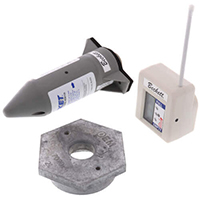
- Connected Tank Gauges: Connected tank gauges give a homeowner or property manager a remote, real-time read on remaining fuel level, cutting down on surprise run-outs and emergency delivery calls. Many models pair with a phone app or a monitoring service so a supplier can schedule delivery before the tank runs dry. Installation is typically a float-and-sender swap at the existing gauge port, so no new tank penetration is needed.
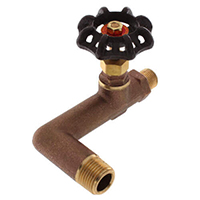
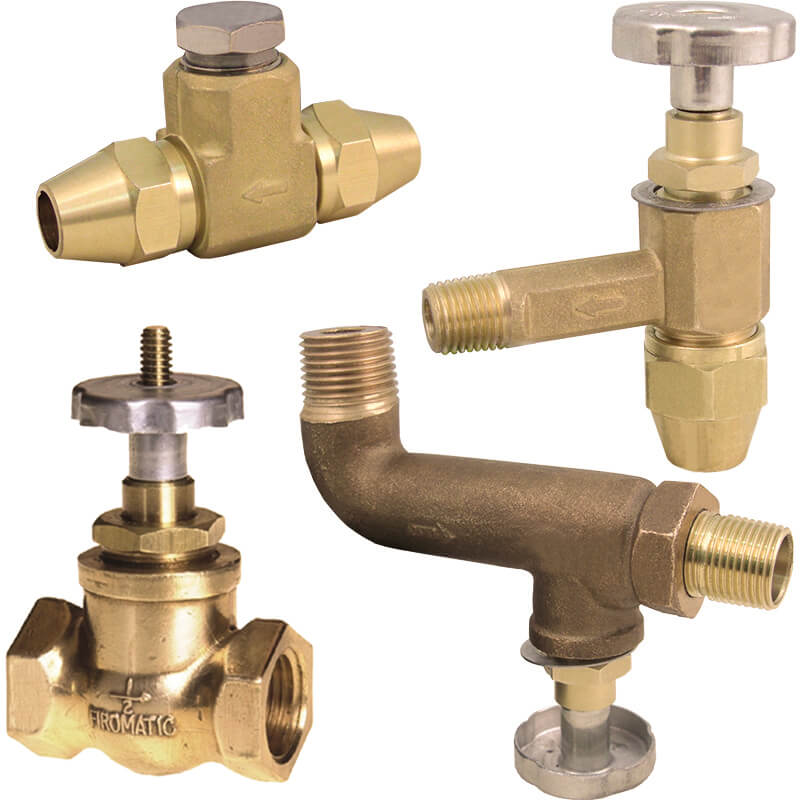
- Firomatic Fire Safety Valves: Firomatic fire safety valves are spring-loaded shutoffs installed in the oil supply line that close automatically if excess heat is detected near the burner. Codes in many jurisdictions require one of these valves on above-ground oil tank installations. A technician typically mounts the valve close to the tank outlet, in the same run as the shutoff cock and filter.
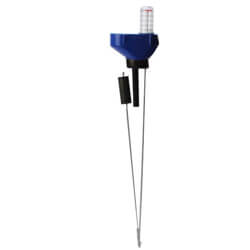
- Oil Fill Alarms and Tank Gauges: Oil fill alarms and tank gauges combine an audible or visual alert with a fuel level readout, warning a delivery driver when a tank is nearing capacity during fill-up. They mount at the fill or vent connection and reduce the risk of overfilling a tank during a scheduled delivery. Most units are a direct swap for an existing whistle-style alarm.
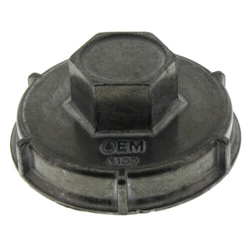
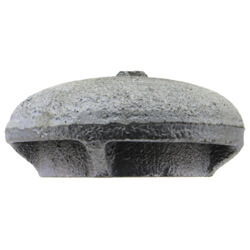
- Oil Fill Caps and Connectors: Oil fill caps and connectors seal the fill pipe between deliveries and connect the delivery hose to the tank during a fill. A worn or missing cap lets in moisture and debris, so replacing a cracked or corroded cap is a common quick-turn service item. Threaded and cam-lock styles cover most residential and commercial fill pipe sizes.
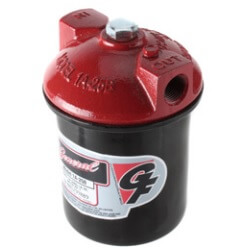
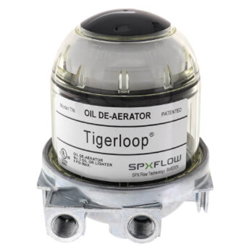
- Oil Filters: Oil filters remove sediment and water droplets from fuel oil before it reaches the burner nozzle, protecting the pump and nozzle from clogging and premature wear. Cartridge and spin-on styles are both common, and replacement frequency depends on tank condition and delivery quality. A clogged filter is one of the first things a technician checks on a no-heat call.
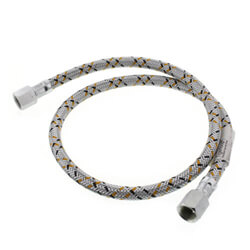
- Oil Lines: Oil lines carry fuel from the tank to the burner and come in copper tubing or flexible line sets sized to the run length and burner demand. A cracked or kinked line is a common source of burner lockouts, so technicians keep common lengths and fittings on the truck for same-visit repairs. Proper support and routing away from foot traffic extends service life.
Buying Guide
Start with the tank and burner already installed rather than the part number on an old label, since manufacturers change model numbers over the years while the fitting sizes and thread patterns stay consistent.
Confirm the fuel type and tank material before ordering a gauge, valve, or filter. Standard heating oil, biodiesel blends, and propane-adjacent oil products can call for different seal materials, and a mismatched gasket is a common source of a slow leak that shows up months after installation.
Check local and state fire code before selecting a safety valve or fill alarm for Oil Related Products going into an above-ground tank, since requirements for thermal shutoffs and overfill protection vary by jurisdiction and inspectors will flag a noncompliant setup.
Measure the existing fill and vent pipe diameter and thread style before ordering caps, connectors, or alarms. Residential tanks commonly use one of two standard fill sizes, and ordering the wrong one means a return trip.
Keep a small stock of common filter cartridges, gaskets, and short lengths of oil line on the truck. Most oil heat service calls are diagnosed on site, and having the frequently replaced parts on hand avoids a second visit for a straightforward fix.
Frequently Asked Questions
How often should an oil filter be replaced on a residential system?
Most technicians replace the oil filter cartridge once a year, typically during the annual burner service, though tanks with sediment buildup or older underground lines may need more frequent changes.
Is a Firomatic-style safety valve required on every oil tank installation?
Requirements vary by state and local fire code, and above-ground tanks are more commonly required to have one than underground tanks, so checking with the local authority having jurisdiction before finalizing a job is the safest approach.
What is the difference between a mechanical tank gauge and a connected tank gauge?
A mechanical float gauge shows fuel level only when someone lifts the cap and looks, while a connected gauge transmits the reading to a phone or monitoring service so level can be checked remotely and deliveries can be scheduled proactively.
Can biodiesel blends run through standard oil filters and lines?
Many oil filters and lines are rated for common biodiesel blends, but checking the manufacturer specification sheet for the exact blend percentage in use is worthwhile before installation, since higher blend percentages can affect gasket and seal compatibility.
Why would an oil burner keep locking out even after the filter was replaced?
A repeated lockout after a filter change often points to a restriction further upstream, such as a kinked line, a failing fill alarm sending a false signal, or air getting drawn into the line at a loose fitting, so checking the full fuel path is the next step.
Resources
Subcategories
- Connected Tank Gauges: Connected tank gauges give a homeowner or property manager a remote, real-time read on remaining fuel level, cutting down on surprise run-outs and emergency delivery calls. Many models pair with a phone app or a monitoring service so a supplier can schedule delivery before the tank runs dry. Installation is typically a float-and-sender swap at the existing gauge port, so no new tank penetration is needed.
- Firomatic Fire Safety Valves: Firomatic fire safety valves are spring-loaded shutoffs installed in the oil supply line that close automatically if excess heat is detected near the burner. Codes in many jurisdictions require one of these valves on above-ground oil tank installations. A technician typically mounts the valve close to the tank outlet, in the same run as the shutoff cock and filter.
- Oil Fill Alarms and Tank Gauges: Oil fill alarms and tank gauges combine an audible or visual alert with a fuel level readout, warning a delivery driver when a tank is nearing capacity during fill-up. They mount at the fill or vent connection and reduce the risk of overfilling a tank during a scheduled delivery. Most units are a direct swap for an existing whistle-style alarm.
- Oil Fill Caps and Connectors: Oil fill caps and connectors seal the fill pipe between deliveries and connect the delivery hose to the tank during a fill. A worn or missing cap lets in moisture and debris, so replacing a cracked or corroded cap is a common quick-turn service item. Threaded and cam-lock styles cover most residential and commercial fill pipe sizes.
- Oil Filters: Oil filters remove sediment and water droplets from fuel oil before it reaches the burner nozzle, protecting the pump and nozzle from clogging and premature wear. Cartridge and spin-on styles are both common, and replacement frequency depends on tank condition and delivery quality. A clogged filter is one of the first things a technician checks on a no-heat call.
- Oil Lines: Oil lines carry fuel from the tank to the burner and come in copper tubing or flexible line sets sized to the run length and burner demand. A cracked or kinked line is a common source of burner lockouts, so technicians keep common lengths and fittings on the truck for same-visit repairs. Proper support and routing away from foot traffic extends service life.
Buying Guide
Start with the tank and burner already installed rather than the part number on an old label, since manufacturers change model numbers over the years while the fitting sizes and thread patterns stay consistent.
Confirm the fuel type and tank material before ordering a gauge, valve, or filter. Standard heating oil, biodiesel blends, and propane-adjacent oil products can call for different seal materials, and a mismatched gasket is a common source of a slow leak that shows up months after installation.
Check local and state fire code before selecting a safety valve or fill alarm for Oil Related Products going into an above-ground tank, since requirements for thermal shutoffs and overfill protection vary by jurisdiction and inspectors will flag a noncompliant setup.
Measure the existing fill and vent pipe diameter and thread style before ordering caps, connectors, or alarms. Residential tanks commonly use one of two standard fill sizes, and ordering the wrong one means a return trip.
Keep a small stock of common filter cartridges, gaskets, and short lengths of oil line on the truck. Most oil heat service calls are diagnosed on site, and having the frequently replaced parts on hand avoids a second visit for a straightforward fix.
Frequently Asked Questions
How often should an oil filter be replaced on a residential system?
Most technicians replace the oil filter cartridge once a year, typically during the annual burner service, though tanks with sediment buildup or older underground lines may need more frequent changes.
Is a Firomatic-style safety valve required on every oil tank installation?
Requirements vary by state and local fire code, and above-ground tanks are more commonly required to have one than underground tanks, so checking with the local authority having jurisdiction before finalizing a job is the safest approach.
What is the difference between a mechanical tank gauge and a connected tank gauge?
A mechanical float gauge shows fuel level only when someone lifts the cap and looks, while a connected gauge transmits the reading to a phone or monitoring service so level can be checked remotely and deliveries can be scheduled proactively.
Can biodiesel blends run through standard oil filters and lines?
Many oil filters and lines are rated for common biodiesel blends, but checking the manufacturer specification sheet for the exact blend percentage in use is worthwhile before installation, since higher blend percentages can affect gasket and seal compatibility.
Why would an oil burner keep locking out even after the filter was replaced?
A repeated lockout after a filter change often points to a restriction further upstream, such as a kinked line, a failing fill alarm sending a false signal, or air getting drawn into the line at a loose fitting, so checking the full fuel path is the next step.