




Firomatic Fire Safety Valves

 --%3E %3Csvg version='1.1' id='Fill' xmlns='http://www.w3.org/2000/svg' xmlns:xlink='http://www.w3.org/1999/xlink' x='0px' y='0px' viewBox='0 0 100 100' enable-background='new 0 0 100 100' xml:space='preserve'%3E %3Cpath fill='%23F15C02' d='M79.44,0.95H20.56C9.78,0.95,0.95,9.78,0.95,20.56v58.87c0,10.79,8.82,19.61,19.61,19.61h58.87 c10.79,0,19.61-8.83,19.61-19.61V20.56C99.05,9.78,90.22,0.95,79.44,0.95z M65.38,58.24l9.38,29.58L49.69,69.78L24.5,87.82 l9.34-29.6L8.8,39.6l30.73-0.17c0,0,6.98-19.61,10-28.93c0.54,1.36,9.88,29.1,9.88,29.1H91.2L65.38,58.24z'/%3E %3C/svg%3E)
 --%3E %3Csvg version='1.1' id='Half' xmlns='http://www.w3.org/2000/svg' xmlns:xlink='http://www.w3.org/1999/xlink' x='0px' y='0px' viewBox='0 0 100 100' enable-background='new 0 0 100 100' xml:space='preserve'%3E %3Cg%3E %3Cpath fill='%23F15C02' d='M30.05,70.23l3.79-12.01L8.8,39.6l30.73-0.17c0,0,6.98-19.61,10-28.93c0.54,1.36,9.88,29.1,9.88,29.1h1.58 L93.71,7.18c-3.58-3.82-8.66-6.23-14.28-6.23H20.56C9.78,0.95,0.95,9.78,0.95,20.56v58.87c0,5.41,2.22,10.32,5.79,13.88 L30.05,70.23z'/%3E %3C/g%3E %3Cpath fill='%23FBC8B4' d='M93.71,7.18L60.98,39.6H91.2L65.38,58.24l9.38,29.58L49.69,69.78L24.5,87.82l5.55-17.59L6.75,93.32 c3.55,3.54,8.44,5.73,13.82,5.73h58.87c10.79,0,19.61-8.83,19.61-19.61V20.56C99.05,15.4,97.01,10.69,93.71,7.18z'/%3E %3C/svg%3E)

 --%3E %3Csvg version='1.1' id='With-RB' xmlns='http://www.w3.org/2000/svg' xmlns:xlink='http://www.w3.org/1999/xlink' x='0px' y='0px' viewBox='0 0 100 100' enable-background='new 0 0 100 100' xml:space='preserve'%3E %3Cpath fill='%23FBC8B4' d='M79.44,0.95H20.56C9.78,0.95,0.95,9.78,0.95,20.56v58.87c0,10.79,8.82,19.61,19.61,19.61h58.87 c10.79,0,19.61-8.83,19.61-19.61V20.56C99.05,9.78,90.22,0.95,79.44,0.95z M65.38,58.24l9.38,29.58L49.69,69.78L24.5,87.82 l9.34-29.6L8.8,39.6l30.73-0.17c0,0,6.98-19.61,10-28.93c0.54,1.36,9.88,29.1,9.88,29.1H91.2L65.38,58.24z'/%3E %3C/svg%3E)
 --%3E %3Csvg version='1.1' id='No-RB' xmlns='http://www.w3.org/2000/svg' xmlns:xlink='http://www.w3.org/1999/xlink' x='0px' y='0px' viewBox='0 0 100 100' enable-background='new 0 0 100 100' xml:space='preserve'%3E %3Cpath fill='%23CECECE' d='M79.44,0.95H20.56C9.78,0.95,0.95,9.78,0.95,20.56v58.87c0,10.79,8.82,19.61,19.61,19.61h58.87 c10.79,0,19.61-8.83,19.61-19.61V20.56C99.05,9.78,90.22,0.95,79.44,0.95z M65.38,58.24l9.38,29.58L49.69,69.78L24.5,87.82 l9.34-29.6L8.8,39.6l30.73-0.17c0,0,6.98-19.61,10-28.93c0.54,1.36,9.88,29.1,9.88,29.1H91.2L65.38,58.24z'/%3E %3C/svg%3E)
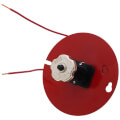
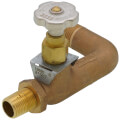
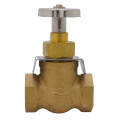
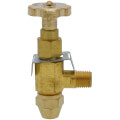
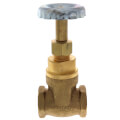
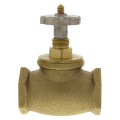
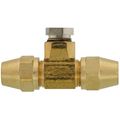
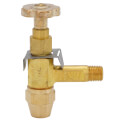
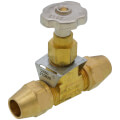
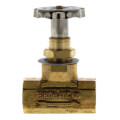
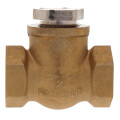
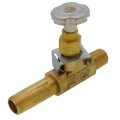
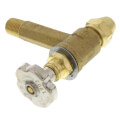
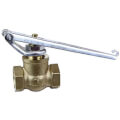
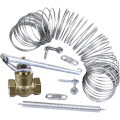
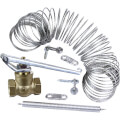
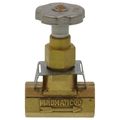

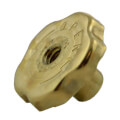
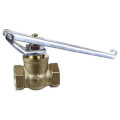
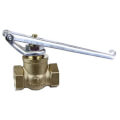

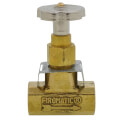
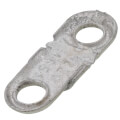
Firomatic fire safety valves are fusible-link valves designed to automatically shut off the flow of fuel oil from a tank in the event of a fire. Manufactured by Beckett, the lineup includes tank valves, inline valves, and burner (angle) valves that close when a fusible element melts at a set activation temperature, typically 165°F or 200°F depending on the model. The valves are built from brass or bronze with seals suited to No. 2 fuel oil and kerosene, and UL 842 listed models are rated for biodiesel blends up to B20. Firomatic valves are required by NFPA 31 for residential oil heating installations in the United States and by CSA B139-15 in Canada, making them a standard part of an oil tank or burner installation rather than an optional accessory. Choosing the correct valve type and activation temperature for the installation point keeps the system code-compliant.
Subcategories
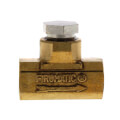
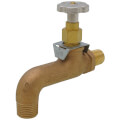
- Tank Valves: Tank valves mount at the oil tank outlet and are built with a bronze casting designed to withstand the tank's static head pressure. They close when the fusible link reaches its rated activation temperature, cutting off fuel flow at the source before it can reach the burner. Available in both straight and 90-degree configurations to match different tank outlet orientations. Tank valves are rated for a maximum pressure of 10 PSI, consistent with typical gravity-fed oil tank installations.
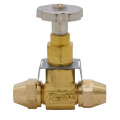
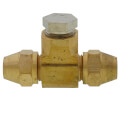
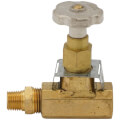
- Inline Valves: Inline valves install along the fuel line between the tank and burner, using threaded NPT or flare ODF connections depending on the model. They provide an additional shutoff point beyond the tank valve, which some installations require for code compliance or added protection. Brass construction with Viton-equivalent seals makes them compatible with No. 2 fuel oil and kerosene. Placement along the line should follow the specific code requirements for the installation.
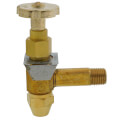
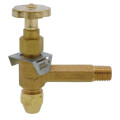
- Burner (Angle) Valves: Burner or angle valves mount at the burner inlet, providing a second layer of fusible-link protection close to the point of ignition. This configuration is used where code or design calls for shutoff protection at both the tank and the burner rather than at the tank alone. Like other Firomatic models, they are available in different activation temperatures to match the application. Brass construction keeps them compatible with standard fuel oil piping.
Buying Guide
Selecting a Firomatic valve starts with confirming which valve type the installation requires: a tank valve at the oil tank outlet, an inline valve along the fuel line, or a burner valve at the burner inlet. Local code, often based on NFPA 31 in the United States or CSA B139-15 in Canada, typically dictates which shutoff points are required for a given installation.
Activation temperature is the next decision, with 165°F and 200°F models both available. The correct rating depends on the ambient conditions near the installation point and the specific code requirement being met, so checking the applicable code section before ordering avoids installing a valve with the wrong trip point.
Connection type needs to match the existing piping: inline and burner valves use threaded NPT or flare ODF fittings, while tank valves are sized to the tank outlet in straight or 90-degree configurations. Confirming whether biodiesel compatibility is needed also matters, since UL 842 listed models are rated for blends up to B20 while standard cULus models may not carry that rating.
Because these valves are life-safety devices required by code, verifying the correct UL or cULus listing for the jurisdiction is worth checking against the local inspector's requirements before the installation is finalized.
Frequently Asked Questions
What triggers a Firomatic valve to close?
A fusible link inside the valve melts once it reaches its rated activation temperature, typically 165°F or 200°F, which mechanically closes the valve and shuts off fuel oil flow.
Are Firomatic valves required by code?
Yes, they are required by NFPA 31 for residential oil heating installations in the United States and by CSA B139-15 in Canada, making them a standard part of a compliant oil heating system rather than optional equipment.
What is the difference between a tank valve and an inline valve?
A tank valve mounts directly at the oil tank outlet and is built from bronze to handle the tank's static pressure, while an inline valve installs along the fuel line between the tank and burner using threaded or flare fittings.
Can a Firomatic valve be used with biodiesel blends?
UL 842 listed models are rated for biodiesel blends up to B20, so confirming that listing on the specific valve is necessary if the installation uses a biodiesel blend rather than straight No. 2 fuel oil.
What materials are Firomatic valves made from?
Inline and burner valve models use brass construction, while tank valve models use a bronze casting, both paired with Viton-equivalent seals suited to No. 2 fuel oil and kerosene.
