




PEX Rings
PEX rings are the connection hardware that secures a fitting to PEX tubing, covering stainless steel clamp rings, copper crimp rings, press sleeves, and the expansion rings used exclusively with Uponor's PEX-A system.
Each ring style pairs with a specific connection method and tool, so matching the ring to both the PEX type and the tool already on hand avoids incompatible combinations. ProPEX rings in particular only work with PEX-A tubing and Uponor's expansion tool system.


Subcategories
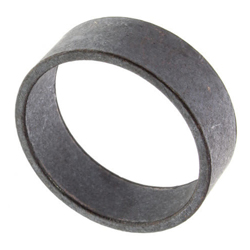
- PEX Clamp Rings: Clamp rings are stainless steel bands that plumbers tighten around a PEX fitting with a dedicated clamp tool, compressing the ring evenly around the barb. Rings meeting ASTM F2098, such as those used with SharkBite fittings, come in sizes from 3/8 inch through 1 inch and offer a lower-cost alternative to crimping for techs who already own a clamp tool.
- PEX Crimp Rings: Copper crimp rings slide over a PEX-B fitting and get compressed with a crimp tool until a go/no-go gauge confirms proper compression. Made to ASTM F1807, crimp rings remain one of the most common connection methods in residential rough-in plumbing because the tooling and rings cost less than expansion systems.
- PEX Press Sleeves: Press sleeves use a press tool with interchangeable jaws to compress a copper or stainless sleeve onto a fitting in one motion, without the twisting or gauge-checking that crimping requires. Plumbers who already own a press tool for copper or steel work often add PEX jaws to standardize on one tool platform for both metal and PEX connections.
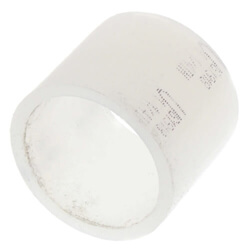
- ProPEX Rings: ProPEX rings are the expansion rings used exclusively with Uponor's PEX-A pipe and expansion tool, where the ring holds the pipe in an expanded state around a fitting until it shrinks back to grip it tightly. Meeting ASTM F1960 and certified by NSF and CSA, ProPEX connections are common on radiant heating and larger commercial domestic water jobs where PEX-A's expansion memory and full-flow fittings are specified.
Buying Guide
Selecting a PEX ring system starts with the pipe already specified or already run on the job. PEX-A pipe expands and contracts memory-style and pairs with ProPEX expansion rings, while PEX-B pipe is more commonly joined with crimp or clamp rings, so the ring choice often follows the pipe choice rather than the other way around.
Tool investment plays a bigger role in this decision than the price of the rings themselves. A crimp tool and gauge cost less upfront than an expansion tool, but a plumbing contractor running high volumes of PEX-A radiant or repipe work often finds the speed of ProPEX connections worth the tool investment over time.
Code acceptance varies by jurisdiction and connection type, so confirming what the local plumbing inspector will sign off on before stocking a ring system avoids a failed rough-in inspection. Most major ring systems carry ASTM and NSF certifications, but local amendments sometimes restrict specific methods.
Joint accessibility affects which ring style makes sense for a given connection. Crimp and clamp rings need enough clearance to fit a tool jaw around the fitting, while a compact press tool can sometimes reach tighter stud bays or ceiling cavities where a full-size crimp tool will not fit.
Consistency across a crew matters as much as the ring itself. Standardizing on one ring system and one tool platform reduces training time for new plumbers and cuts down on the risk of a tech grabbing the wrong ring or gauge for the pipe on hand.
Frequently Asked Questions
Can PEX clamp rings and crimp rings be used on the same pipe?
Clamp rings and crimp rings can both be used on PEX-B tubing, but a plumber needs the matching tool for each ring type since a crimp tool will not properly compress a clamp ring and a clamp tool will not properly compress a crimp ring.
What is the difference between a crimp ring and a ProPEX ring?
A crimp ring is a copper band that gets mechanically compressed onto a fitting with a crimp tool, while a ProPEX ring works by holding PEX-A pipe in an expanded state until the pipe naturally shrinks back down around a fitting, creating a connection without any external compression.
Do PEX crimp rings require a specific gauge for inspection?
Crimp connections made to ASTM F1807 require checking with a go/no-go gauge on every joint to confirm the ring compressed to the correct depth, and many inspectors ask to see that gauge used on site before signing off on a rough-in.
Can PEX press sleeves be used with a standard press tool?
PEX press sleeves need jaws sized and shaped for PEX fittings, so a plumber with a press tool already used for copper or steel press work typically just needs to add the correct PEX jaw set rather than buying a separate tool.
Why do ProPEX rings only work with Uponor pipe?
ProPEX rings are engineered around the expansion characteristics of Uponor's PEX-A pipe, which stretches during installation and shrinks back to grip a fitting, a memory property that PEX-B pipe used with crimp and clamp rings does not share.
Resources
Subcategories
- PEX Clamp Rings: Clamp rings are stainless steel bands that plumbers tighten around a PEX fitting with a dedicated clamp tool, compressing the ring evenly around the barb. Rings meeting ASTM F2098, such as those used with SharkBite fittings, come in sizes from 3/8 inch through 1 inch and offer a lower-cost alternative to crimping for techs who already own a clamp tool.
- PEX Crimp Rings: Copper crimp rings slide over a PEX-B fitting and get compressed with a crimp tool until a go/no-go gauge confirms proper compression. Made to ASTM F1807, crimp rings remain one of the most common connection methods in residential rough-in plumbing because the tooling and rings cost less than expansion systems.
- PEX Press Sleeves: Press sleeves use a press tool with interchangeable jaws to compress a copper or stainless sleeve onto a fitting in one motion, without the twisting or gauge-checking that crimping requires. Plumbers who already own a press tool for copper or steel work often add PEX jaws to standardize on one tool platform for both metal and PEX connections.
- ProPEX Rings: ProPEX rings are the expansion rings used exclusively with Uponor's PEX-A pipe and expansion tool, where the ring holds the pipe in an expanded state around a fitting until it shrinks back to grip it tightly. Meeting ASTM F1960 and certified by NSF and CSA, ProPEX connections are common on radiant heating and larger commercial domestic water jobs where PEX-A's expansion memory and full-flow fittings are specified.
Buying Guide
Selecting a PEX ring system starts with the pipe already specified or already run on the job. PEX-A pipe expands and contracts memory-style and pairs with ProPEX expansion rings, while PEX-B pipe is more commonly joined with crimp or clamp rings, so the ring choice often follows the pipe choice rather than the other way around.
Tool investment plays a bigger role in this decision than the price of the rings themselves. A crimp tool and gauge cost less upfront than an expansion tool, but a plumbing contractor running high volumes of PEX-A radiant or repipe work often finds the speed of ProPEX connections worth the tool investment over time.
Code acceptance varies by jurisdiction and connection type, so confirming what the local plumbing inspector will sign off on before stocking a ring system avoids a failed rough-in inspection. Most major ring systems carry ASTM and NSF certifications, but local amendments sometimes restrict specific methods.
Joint accessibility affects which ring style makes sense for a given connection. Crimp and clamp rings need enough clearance to fit a tool jaw around the fitting, while a compact press tool can sometimes reach tighter stud bays or ceiling cavities where a full-size crimp tool will not fit.
Consistency across a crew matters as much as the ring itself. Standardizing on one ring system and one tool platform reduces training time for new plumbers and cuts down on the risk of a tech grabbing the wrong ring or gauge for the pipe on hand.
Frequently Asked Questions
Can PEX clamp rings and crimp rings be used on the same pipe?
Clamp rings and crimp rings can both be used on PEX-B tubing, but a plumber needs the matching tool for each ring type since a crimp tool will not properly compress a clamp ring and a clamp tool will not properly compress a crimp ring.
What is the difference between a crimp ring and a ProPEX ring?
A crimp ring is a copper band that gets mechanically compressed onto a fitting with a crimp tool, while a ProPEX ring works by holding PEX-A pipe in an expanded state until the pipe naturally shrinks back down around a fitting, creating a connection without any external compression.
Do PEX crimp rings require a specific gauge for inspection?
Crimp connections made to ASTM F1807 require checking with a go/no-go gauge on every joint to confirm the ring compressed to the correct depth, and many inspectors ask to see that gauge used on site before signing off on a rough-in.
Can PEX press sleeves be used with a standard press tool?
PEX press sleeves need jaws sized and shaped for PEX fittings, so a plumber with a press tool already used for copper or steel press work typically just needs to add the correct PEX jaw set rather than buying a separate tool.
Why do ProPEX rings only work with Uponor pipe?
ProPEX rings are engineered around the expansion characteristics of Uponor's PEX-A pipe, which stretches during installation and shrinks back to grip a fitting, a memory property that PEX-B pipe used with crimp and clamp rings does not share.