




Filters
SORT
Product Availability –
Brand –
Application –
Review Score –
 --%3E %3Csvg version='1.1' id='Fill' xmlns='http://www.w3.org/2000/svg' xmlns:xlink='http://www.w3.org/1999/xlink' x='0px' y='0px' viewBox='0 0 100 100' enable-background='new 0 0 100 100' xml:space='preserve'%3E %3Cpath fill='%23F15C02' d='M79.44,0.95H20.56C9.78,0.95,0.95,9.78,0.95,20.56v58.87c0,10.79,8.82,19.61,19.61,19.61h58.87 c10.79,0,19.61-8.83,19.61-19.61V20.56C99.05,9.78,90.22,0.95,79.44,0.95z M65.38,58.24l9.38,29.58L49.69,69.78L24.5,87.82 l9.34-29.6L8.8,39.6l30.73-0.17c0,0,6.98-19.61,10-28.93c0.54,1.36,9.88,29.1,9.88,29.1H91.2L65.38,58.24z'/%3E %3C/svg%3E)
Price Range –
PEX Crimp Rings




 --%3E %3Csvg version='1.1' id='Half' xmlns='http://www.w3.org/2000/svg' xmlns:xlink='http://www.w3.org/1999/xlink' x='0px' y='0px' viewBox='0 0 100 100' enable-background='new 0 0 100 100' xml:space='preserve'%3E %3Cg%3E %3Cpath fill='%23F15C02' d='M30.05,70.23l3.79-12.01L8.8,39.6l30.73-0.17c0,0,6.98-19.61,10-28.93c0.54,1.36,9.88,29.1,9.88,29.1h1.58 L93.71,7.18c-3.58-3.82-8.66-6.23-14.28-6.23H20.56C9.78,0.95,0.95,9.78,0.95,20.56v58.87c0,5.41,2.22,10.32,5.79,13.88 L30.05,70.23z'/%3E %3C/g%3E %3Cpath fill='%23FBC8B4' d='M93.71,7.18L60.98,39.6H91.2L65.38,58.24l9.38,29.58L49.69,69.78L24.5,87.82l5.55-17.59L6.75,93.32 c3.55,3.54,8.44,5.73,13.82,5.73h58.87c10.79,0,19.61-8.83,19.61-19.61V20.56C99.05,15.4,97.01,10.69,93.71,7.18z'/%3E %3C/svg%3E)
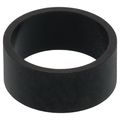
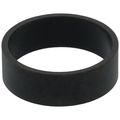

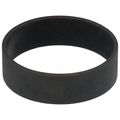
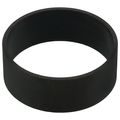
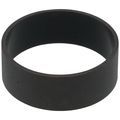
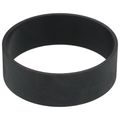
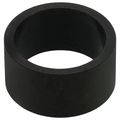
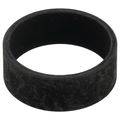

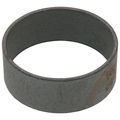
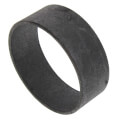
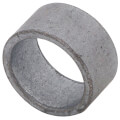

PEX Crimp Rings are the copper or stainless steel bands that create a mechanical seal when compressed onto a PEX fitting and tubing with a crimping tool, forming one of the most widely used connection methods in PEX plumbing systems. A ring slides over the tubing after it's pushed onto a barbed fitting, and a crimp tool compresses the ring to a specific, gauge-checked diameter that locks the tube against the fitting's barbs. The connection method works with copper, brass, and plastic PEX fittings across the common tubing sizes plumbers run for water distribution, radiant heat, and repair work. Crimp connections require a go/no-go gauge check on every joint to confirm the ring compressed to the correct diameter, which is part of why many inspectors and manufacturers treat crimp as one of the more code-recognized PEX joining methods. For contractors already invested in crimp tools, rings remain a low-cost, dependable way to join PEX runs compared to switching systems mid-job.
Subcategories
- Copper Crimp Rings: Copper crimp rings are the traditional material most plumbers reach for on standard PEX water distribution and repair jobs, since copper compresses predictably under a crimp tool's jaws. They pair with copper, brass, or engineered-plastic barbed fittings across common tubing sizes plumbers run in residential and light commercial work. A crimp tool calibrated for copper rings, paired with a go/no-go gauge, confirms every joint on the job meets a consistent compressed diameter.
- Stainless Steel Crimp Rings: Stainless steel crimp rings hold up better than copper in aggressive water chemistry or direct burial applications where a copper ring could degrade faster over time. They require a stainless-specific crimp tool head or jaw set, since a tool calibrated for copper rings won't compress a stainless ring to the correct diameter. Contractors working in coastal regions, high-mineral water areas, or underground repair pits often standardize on stainless rings for that added corrosion resistance.
- Half Rings and Stub-Out Rings: Half crimp rings and stub-out rings solve tight-space connections, such as a fitting recessed in a wall box or a stub-out behind a fixture, where a full crimp tool jaw can't fit around a standard ring. Some manufacturers make a split or half-ring designed to be crimped from one side. Rough-in plumbers and remodelers use these specialty rings on jobs where standard clearance for a crimp tool isn't available.
- Multi-Size Crimp Ring Packs: Multi-size packs bundle several ring diameters together for crews running mixed tubing sizes on the same job, cutting down on separate purchase orders for each size. Keeping an assorted pack on the truck means a plumber can complete a repair or rough-in without a mid-job supply run for a size that wasn't anticipated. Service techs and remodelers whose jobs mix supply, branch, and repair connections tend to keep one of these packs on hand.
Buying Guide
Start with the ring material. Copper crimp rings cost less and work well for standard interior water distribution, while stainless steel rings cost more but resist corrosion better in aggressive water chemistry, coastal environments, or buried repair applications.
Match the ring diameter to the tubing size on the job. Rings are sized to a specific tubing diameter, and a mismatched ring won't compress to the tight, sealed fit a fitting's barbs need, so keep a labeled assortment on hand rather than guessing between similar-looking sizes.
Confirm the crimp tool on the truck is calibrated for the ring material being installed. A tool set up for copper rings can under-crimp or over-crimp a stainless ring, and either mistake produces a joint that fails a gauge check or, worse, passes a rushed check and fails later under pressure.
Always plan for the go/no-go gauge step. PEX Crimp Rings aren't considered a finished connection until a gauge confirms the compressed diameter falls within the manufacturer's tolerance, so budget the extra minute per joint into the schedule rather than skipping the check on repetitive runs.
For tight clearances, such as recessed boxes or stub-outs, stock a few half rings or stub-out-rated rings so a crew isn't stuck re-routing a fitting just to fit a standard crimp tool jaw around it.
Frequently Asked Questions
What tool is needed to install PEX crimp rings?
A PEX crimp tool sized for the ring diameter compresses the ring onto the fitting, and a separate go/no-go gauge checks that the crimp compressed to the correct diameter. Some crimp tools accept interchangeable jaws for different ring sizes, while others are dedicated to one diameter. Always keep the matching gauge on the truck since a crimp connection isn't considered complete without that check.
Are copper and stainless steel crimp rings interchangeable?
No, each ring material typically needs a crimp tool calibrated for that specific material, since copper and stainless compress differently under the same jaw pressure. Using the wrong tool setting can leave a ring under-compressed, which risks a leak, or over-compressed, which can crack the ring or damage the fitting. Match the tool calibration to the ring material before starting a run.
How do I know if a PEX crimp connection is installed correctly?
A go/no-go gauge is the standard way to check a crimp connection. If the gauge passes over the compressed ring without catching and doesn't slip through a properly sized opening, the crimp meets the manufacturer's tolerance. Skipping this check on even a few joints on a job is one of the more common causes of a callback for a leaking PEX connection.
Can PEX crimp rings be reused?
No, a crimp ring is a one-time-use fitting component. Once a ring is compressed onto a fitting, removing it damages the ring and typically damages the fitting barb underneath, so any repair or modification calls for a fresh ring and, often, a fresh fitting. Keep spare rings and fittings on hand for repair calls rather than planning to reuse a cut-out section.
What size PEX crimp ring do I need?
The ring must match the outer diameter of the PEX tubing being joined, and rings are typically sold by that nominal tubing size rather than a universal fit. Checking the tubing size stamped on the tube itself before ordering rings avoids a mismatched batch showing up on site. Keeping a labeled bin of common sizes on the truck speeds up rough-in work across mixed-size jobs.
