




PEX Stub Outs
PEX stub outs are fittings that transition flexible PEX tubing to a fixed point at a wall or floor, giving plumbers a rigid connection point for fixtures like sinks, toilets, and washing machines. They typically combine a short length of copper or another rigid material with a PEX connection end, so the exposed portion behind a fixture stays straight and properly supported.
Plumbers rely on stub outs to finish a PEX rough-in cleanly, since PEX tubing alone is too flexible to hold position at a fixture connection without extra bracing. Choosing the right connection style, crimp, press, or expansion, depends on the tools already on the truck and the fitting standard used elsewhere on the job.


Subcategories
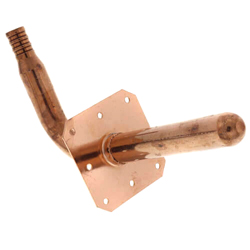
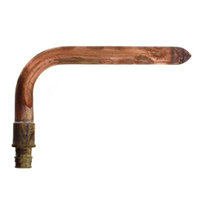
- PEX Crimp Stub Out Elbows: Crimp stub out elbows combine a 90 degree bend with a crimp ring connection, letting a plumber turn a PEX line and terminate it at a fixture in one fitting. They work with standard copper crimp rings and a crimping tool already common on plumbing trucks. The elbow shape is useful where a stub out needs to exit a wall at an angle rather than straight on.
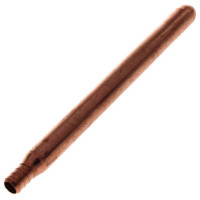
- PEX Crimp Stub Outs: Straight crimp stub outs terminate a PEX run with a rigid connection point secured using a copper crimp ring. Plumbers use them behind toilets, sinks, and appliances where a stable, code compliant termination point is needed. The crimp connection method matches tools most residential plumbers already carry.
- PEX Press Stub Out Elbows: Press stub out elbows use a press tool and stainless steel or copper fitting to make the connection instead of a crimp ring, which speeds up installation on larger jobs. The 90 degree elbow design lets the stub out exit through a wall at an angle. Contractors already using press fittings elsewhere on a job often standardize on press stub outs too.
- ProPEX Stub Out Elbows: ProPEX stub out elbows use an expansion fitting system rather than crimp rings or press tools, relying on a cone shaped fitting and an expander tool to create the seal. The elbow configuration handles a directional change while terminating the PEX run at a fixture. Plumbers already invested in ProPEX expansion tools use this style to stay consistent across a job.
Buying Guide
The first decision is connection method: crimp, press, or expansion. Crimp fittings use a copper ring and a crimping tool, press fittings use a dedicated press tool and jaw, and expansion fittings rely on an expander tool that stretches the PEX end before it shrinks back around the fitting. Whichever method a crew already owns tools for usually drives the choice on a given job.
Straight stub outs work where the rough-in already lines up with the fixture connection point, while elbow stub outs handle situations where the PEX line needs to change direction as it exits the wall or floor. Picking the wrong configuration means adding a separate elbow fitting, which adds a joint and a potential leak point.
Matching stub out material to local code matters, since some jurisdictions have specific requirements for the exposed rigid section behind a fixture. Copper stub outs remain the most widely accepted option across code jurisdictions, though stainless steel alternatives are gaining ground in press fitting systems.
Consistency with the rest of the PEX system on a job simplifies both installation and future service calls. A crew running ProPEX expansion fittings throughout a house benefits from finishing with ProPEX stub outs rather than mixing in a crimp or press fitting that calls for a different tool.
Stub out length should give enough rigid section to support the fixture supply line and any shutoff valve without leaving excess exposed material to trim in the field. Standard lengths cover most residential rough-in depths, but confirming wall thickness ahead of time avoids a mismatch during finish work.
Frequently Asked Questions
What is a PEX stub out used for?
A PEX stub out transitions flexible PEX tubing to a rigid connection point behind a fixture such as a sink, toilet, or washing machine. It gives the supply line a stable termination point that will not flex when a shutoff valve or fixture connector is attached.
What is the difference between crimp, press, and ProPEX stub outs?
Crimp stub outs use a copper ring and crimping tool, press stub outs use a dedicated press tool, and ProPEX stub outs use an expansion tool that stretches the tubing over a cone shaped fitting. The right choice usually comes down to which tools a crew already owns.
When should an elbow stub out be used instead of a straight one?
An elbow stub out is the right choice when the PEX line needs to change direction as it exits a wall or floor to reach the fixture connection point. A straight stub out works when the rough-in already aligns directly with the fixture.
Can different PEX fitting brands be mixed on the same stub out connection?
Fittings using the same connection method, such as crimp or press, generally work across brands as long as sizing matches, but expansion systems like ProPEX are typically designed around their own tooling. Checking manufacturer compatibility before mixing systems avoids a poor seal.
What material are PEX stub outs usually made from?
Copper is the most common rigid material used in PEX stub outs and is broadly accepted by plumbing codes. Stainless steel stub outs are also available, particularly in press fitting systems, as an alternative rigid termination point.
Resources
Subcategories
- PEX Crimp Stub Out Elbows: Crimp stub out elbows combine a 90 degree bend with a crimp ring connection, letting a plumber turn a PEX line and terminate it at a fixture in one fitting. They work with standard copper crimp rings and a crimping tool already common on plumbing trucks. The elbow shape is useful where a stub out needs to exit a wall at an angle rather than straight on.
- PEX Crimp Stub Outs: Straight crimp stub outs terminate a PEX run with a rigid connection point secured using a copper crimp ring. Plumbers use them behind toilets, sinks, and appliances where a stable, code compliant termination point is needed. The crimp connection method matches tools most residential plumbers already carry.
- PEX Press Stub Out Elbows: Press stub out elbows use a press tool and stainless steel or copper fitting to make the connection instead of a crimp ring, which speeds up installation on larger jobs. The 90 degree elbow design lets the stub out exit through a wall at an angle. Contractors already using press fittings elsewhere on a job often standardize on press stub outs too.
- ProPEX Stub Out Elbows: ProPEX stub out elbows use an expansion fitting system rather than crimp rings or press tools, relying on a cone shaped fitting and an expander tool to create the seal. The elbow configuration handles a directional change while terminating the PEX run at a fixture. Plumbers already invested in ProPEX expansion tools use this style to stay consistent across a job.
Buying Guide
The first decision is connection method: crimp, press, or expansion. Crimp fittings use a copper ring and a crimping tool, press fittings use a dedicated press tool and jaw, and expansion fittings rely on an expander tool that stretches the PEX end before it shrinks back around the fitting. Whichever method a crew already owns tools for usually drives the choice on a given job.
Straight stub outs work where the rough-in already lines up with the fixture connection point, while elbow stub outs handle situations where the PEX line needs to change direction as it exits the wall or floor. Picking the wrong configuration means adding a separate elbow fitting, which adds a joint and a potential leak point.
Matching stub out material to local code matters, since some jurisdictions have specific requirements for the exposed rigid section behind a fixture. Copper stub outs remain the most widely accepted option across code jurisdictions, though stainless steel alternatives are gaining ground in press fitting systems.
Consistency with the rest of the PEX system on a job simplifies both installation and future service calls. A crew running ProPEX expansion fittings throughout a house benefits from finishing with ProPEX stub outs rather than mixing in a crimp or press fitting that calls for a different tool.
Stub out length should give enough rigid section to support the fixture supply line and any shutoff valve without leaving excess exposed material to trim in the field. Standard lengths cover most residential rough-in depths, but confirming wall thickness ahead of time avoids a mismatch during finish work.
Frequently Asked Questions
What is a PEX stub out used for?
A PEX stub out transitions flexible PEX tubing to a rigid connection point behind a fixture such as a sink, toilet, or washing machine. It gives the supply line a stable termination point that will not flex when a shutoff valve or fixture connector is attached.
What is the difference between crimp, press, and ProPEX stub outs?
Crimp stub outs use a copper ring and crimping tool, press stub outs use a dedicated press tool, and ProPEX stub outs use an expansion tool that stretches the tubing over a cone shaped fitting. The right choice usually comes down to which tools a crew already owns.
When should an elbow stub out be used instead of a straight one?
An elbow stub out is the right choice when the PEX line needs to change direction as it exits a wall or floor to reach the fixture connection point. A straight stub out works when the rough-in already aligns directly with the fixture.
Can different PEX fitting brands be mixed on the same stub out connection?
Fittings using the same connection method, such as crimp or press, generally work across brands as long as sizing matches, but expansion systems like ProPEX are typically designed around their own tooling. Checking manufacturer compatibility before mixing systems avoids a poor seal.
What material are PEX stub outs usually made from?
Copper is the most common rigid material used in PEX stub outs and is broadly accepted by plumbing codes. Stainless steel stub outs are also available, particularly in press fitting systems, as an alternative rigid termination point.