




Filters
SORT
Product Availability –
Brand –
Size –
PEX Size –
Review Score –
 --%3E %3Csvg version='1.1' id='Fill' xmlns='http://www.w3.org/2000/svg' xmlns:xlink='http://www.w3.org/1999/xlink' x='0px' y='0px' viewBox='0 0 100 100' enable-background='new 0 0 100 100' xml:space='preserve'%3E %3Cpath fill='%23F15C02' d='M79.44,0.95H20.56C9.78,0.95,0.95,9.78,0.95,20.56v58.87c0,10.79,8.82,19.61,19.61,19.61h58.87 c10.79,0,19.61-8.83,19.61-19.61V20.56C99.05,9.78,90.22,0.95,79.44,0.95z M65.38,58.24l9.38,29.58L49.69,69.78L24.5,87.82 l9.34-29.6L8.8,39.6l30.73-0.17c0,0,6.98-19.61,10-28.93c0.54,1.36,9.88,29.1,9.88,29.1H91.2L65.38,58.24z'/%3E %3C/svg%3E)
 --%3E %3Csvg version='1.1' id='With-RB' xmlns='http://www.w3.org/2000/svg' xmlns:xlink='http://www.w3.org/1999/xlink' x='0px' y='0px' viewBox='0 0 100 100' enable-background='new 0 0 100 100' xml:space='preserve'%3E %3Cpath fill='%23FBC8B4' d='M79.44,0.95H20.56C9.78,0.95,0.95,9.78,0.95,20.56v58.87c0,10.79,8.82,19.61,19.61,19.61h58.87 c10.79,0,19.61-8.83,19.61-19.61V20.56C99.05,9.78,90.22,0.95,79.44,0.95z M65.38,58.24l9.38,29.58L49.69,69.78L24.5,87.82 l9.34-29.6L8.8,39.6l30.73-0.17c0,0,6.98-19.61,10-28.93c0.54,1.36,9.88,29.1,9.88,29.1H91.2L65.38,58.24z'/%3E %3C/svg%3E)
Price Range –
PEX Crimp Stub Out Elbows


 --%3E %3Csvg version='1.1' id='Half' xmlns='http://www.w3.org/2000/svg' xmlns:xlink='http://www.w3.org/1999/xlink' x='0px' y='0px' viewBox='0 0 100 100' enable-background='new 0 0 100 100' xml:space='preserve'%3E %3Cg%3E %3Cpath fill='%23F15C02' d='M30.05,70.23l3.79-12.01L8.8,39.6l30.73-0.17c0,0,6.98-19.61,10-28.93c0.54,1.36,9.88,29.1,9.88,29.1h1.58 L93.71,7.18c-3.58-3.82-8.66-6.23-14.28-6.23H20.56C9.78,0.95,0.95,9.78,0.95,20.56v58.87c0,5.41,2.22,10.32,5.79,13.88 L30.05,70.23z'/%3E %3C/g%3E %3Cpath fill='%23FBC8B4' d='M93.71,7.18L60.98,39.6H91.2L65.38,58.24l9.38,29.58L49.69,69.78L24.5,87.82l5.55-17.59L6.75,93.32 c3.55,3.54,8.44,5.73,13.82,5.73h58.87c10.79,0,19.61-8.83,19.61-19.61V20.56C99.05,15.4,97.01,10.69,93.71,7.18z'/%3E %3C/svg%3E)


 --%3E %3Csvg version='1.1' id='No-RB' xmlns='http://www.w3.org/2000/svg' xmlns:xlink='http://www.w3.org/1999/xlink' x='0px' y='0px' viewBox='0 0 100 100' enable-background='new 0 0 100 100' xml:space='preserve'%3E %3Cpath fill='%23CECECE' d='M79.44,0.95H20.56C9.78,0.95,0.95,9.78,0.95,20.56v58.87c0,10.79,8.82,19.61,19.61,19.61h58.87 c10.79,0,19.61-8.83,19.61-19.61V20.56C99.05,9.78,90.22,0.95,79.44,0.95z M65.38,58.24l9.38,29.58L49.69,69.78L24.5,87.82 l9.34-29.6L8.8,39.6l30.73-0.17c0,0,6.98-19.61,10-28.93c0.54,1.36,9.88,29.1,9.88,29.1H91.2L65.38,58.24z'/%3E %3C/svg%3E)
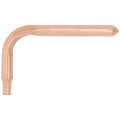
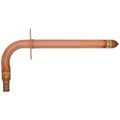
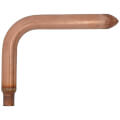
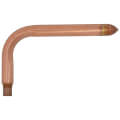

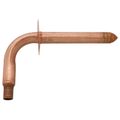
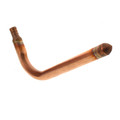
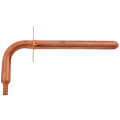
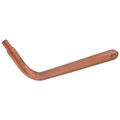
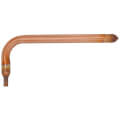
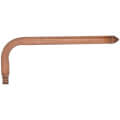
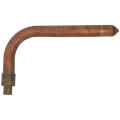
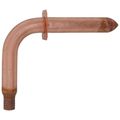
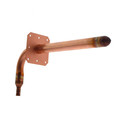

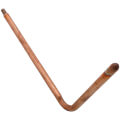

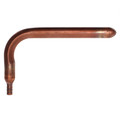

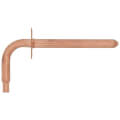
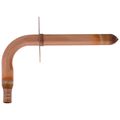
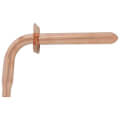
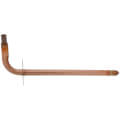
PEX Crimp Stub Out Elbows are transition fittings that bring a PEX supply line out of a wall or floor to a fixed copper or brass outlet ready for a stop valve or fixture connection. Plumbers use them on rough-in day so the finished stub stays rigid instead of flexing back into the wall cavity once drywall goes up. Many models comply with ASTM F1807, the standard governing copper crimp ring connections in PEX plumbing systems, while a separate line built to ASTM F1960 serves cold-expansion crimping tools. Fittings typically include a spun-closed outlet so the rough-in can be pressure tested before a valve gets attached, which keeps debris out of the line during framing and drywall work. Because the connection sits behind a finished wall, picking a stub out elbow rated for the correct crimp method and water system prevents a costly rework later. Keeping several sizes and connection types on the truck keeps a rough-in crew moving without a special order holding up the schedule.
Subcategories
- ASTM F1807 Crimp Stub Out Elbows: ASTM F1807 crimp stub out elbows use a one-piece solid copper body with tube stops formed directly into the fitting, built for copper crimp ring connections on PEX systems. Plumbers install them behind washing machine boxes, ice maker lines, and fixture supplies where a rigid copper stub needs to hold a stop valve steady. The fittings comply with ASTM F1807 along with NSF/ANSI 14 for potable water contact. Rough-in crews favor this style when a copper crimp ring tool is already standard on the truck.
- ASTM F1960 Cold-Expansion Stub Out Elbows: Cold-expansion stub out elbows pair Type L copper tubing with a spun-closed outlet and a lead-free solder joint to the brass PEX inlet, sized to match ASTM F1960 fitting-end dimensions. Installers running an expansion crimping tool instead of a copper ring crimper reach for this style so the fitting end matches the tool already on hand. The spun-closed tip lets the stub get pressure tested before the stop valve goes on. Plumbing crews on new construction jobs often standardize on one crimp method across a project, so matching stub outs to that method avoids carrying two tool sets.
- CPVC Stub Out Elbows: CPVC stub out elbows combine a Type L copper stub with a CPVC-rated fitting body and a radiused bend designed to cut down on water hammer and flow noise. Remodel plumbers reach for these when a job transitions from existing CPVC branch lines to a PEX or copper fixture stop. Flow improves compared to a sharp 90-degree turn because of the radiused bend. Bridging older CPVC systems with newer PEX rough-in work this way avoids swapping out an entire branch line.
- Double Stub Out Elbows: Double stub out elbows combine a hot and cold supply stub in a single lead-free fitting body, cutting the number of individual fittings needed at a washing machine outlet or two-valve fixture. Framing crews mount one fitting instead of two separate stub outs, which keeps the rough-in tighter behind a washer box. The design still uses the same spun-closed outlet approach as single stub out elbows for pressure testing. Plumbers use this style most often on multifamily jobs where washer hookups repeat unit after unit.
Buying Guide
Matching the connection method already on the truck comes first. Copper crimp ring systems need fittings rated to ASTM F1807, while cold-expansion tools require the fitting-end dimensions specified under ASTM F1960, and installing the wrong one means the crimp ring will not seat correctly on the fitting barb. A mismatch like that tends to surface during a pressure test rather than earlier in the rough-in, which costs more time to fix once drywall is close to going up.
Stub length and outlet position need to match the fixture next. Washing machine boxes, ice maker lines, and wall-mounted faucets each expect a specific stub height and centerline, so measuring the finished wall thickness and fixture rough-in dimensions before ordering PEX Crimp Stub Out Elbows avoids a mismatch discovered after the wall is closed. Double stub out elbows cut the fitting count in half on washer hookups by combining hot and cold supply in one body, which speeds up repetitive installs on multifamily jobs.
Material and standard markings matter for potable water work. Type L copper and lead-free brass are standard for drinking water contact, and NSF/ANSI 14 markings confirm the fitting meets that requirement. For remodel jobs bridging CPVC branch lines into a PEX or copper stub, a CPVC-rated stub out elbow with a radiused bend cuts down on water hammer noise at the fixture.
Frequently Asked Questions
What's the difference between ASTM F1807 and ASTM F1960 stub out elbows?
ASTM F1807 stub out elbows are built for copper crimp ring connections, while ASTM F1960 versions match the fitting-end dimensions used by cold-expansion crimping tools. Both bring a rigid copper stub out of a wall or floor for a stop valve, but the fitting-end shape differs enough that a crimp ring will not seat on an F1960 fitting and an expansion ring will not seat on an F1807 fitting. Checking which crimping tool is standard on the job before ordering avoids a mismatch at rough-in.
Can a copper stub out elbow be cut to length on site?
Copper stub out elbows can be trimmed to length on site since the stub portion is solid Type L copper tubing rather than a fixed-length molded part. Installers typically cut the stub after the wall is framed and dry-fit so the finished length matches the fixture's rough-in dimension. Cutting after the crimp or solder connection is made keeps the fitting-end intact for the stop valve. A tubing cutter designed for copper keeps the cut square for a clean valve connection.
Do stub out elbows need a stop valve installed right away?
Stub out elbows do not need a stop valve installed at rough-in since the spun-closed outlet lets the line get pressure tested and protected during framing and drywall work. Plumbers typically leave the outlet closed until trim-out, when the stop valve, faucet, or fixture supply line finally gets connected. Keeping the outlet closed also keeps debris out of the line while other trades work nearby. Cutting the spun-closed tip off happens right before the valve goes on.
What size stub out elbow fits a standard washing machine box?
Washing machine box manufacturers specify the stub out size and rough-in height needed for their valves, so checking that box's installation instructions before ordering the stub out elbow confirms the correct outlet height and centerline. A double stub out elbow can also serve one washer box by combining the hot and cold supply in a single fitting body. Matching the stub to the box avoids a mismatch discovered after the wall is closed. Rough-in crews that install the same washer box model repeatedly standardize on one stub out elbow size for the whole job.
Are copper and brass stub out elbows both lead-free?
Stub out elbows built for potable water systems use lead-free copper and brass, which is required for any fitting in contact with drinking water under NSF/ANSI 14. Type L copper tubing forms the stub itself on most models, while the crimp or solder connection to the PEX or CPVC line uses a lead-free brass or copper fitting body. Checking for the NSF/ANSI 14 marking on the fitting confirms it meets that requirement. The requirement applies across the F1807, F1960, and CPVC stub out elbow lines.
