




Filters
SORT
Product Availability –
Product Type –
Size –
Length (Inches) –
Review Score –
 --%3E %3Csvg version='1.1' id='Fill' xmlns='http://www.w3.org/2000/svg' xmlns:xlink='http://www.w3.org/1999/xlink' x='0px' y='0px' viewBox='0 0 100 100' enable-background='new 0 0 100 100' xml:space='preserve'%3E %3Cpath fill='%23F15C02' d='M79.44,0.95H20.56C9.78,0.95,0.95,9.78,0.95,20.56v58.87c0,10.79,8.82,19.61,19.61,19.61h58.87 c10.79,0,19.61-8.83,19.61-19.61V20.56C99.05,9.78,90.22,0.95,79.44,0.95z M65.38,58.24l9.38,29.58L49.69,69.78L24.5,87.82 l9.34-29.6L8.8,39.6l30.73-0.17c0,0,6.98-19.61,10-28.93c0.54,1.36,9.88,29.1,9.88,29.1H91.2L65.38,58.24z'/%3E %3C/svg%3E)
Price Range –
PVC Sch 80 Nipples

 --%3E %3Csvg version='1.1' id='Half' xmlns='http://www.w3.org/2000/svg' xmlns:xlink='http://www.w3.org/1999/xlink' x='0px' y='0px' viewBox='0 0 100 100' enable-background='new 0 0 100 100' xml:space='preserve'%3E %3Cg%3E %3Cpath fill='%23F15C02' d='M30.05,70.23l3.79-12.01L8.8,39.6l30.73-0.17c0,0,6.98-19.61,10-28.93c0.54,1.36,9.88,29.1,9.88,29.1h1.58 L93.71,7.18c-3.58-3.82-8.66-6.23-14.28-6.23H20.56C9.78,0.95,0.95,9.78,0.95,20.56v58.87c0,5.41,2.22,10.32,5.79,13.88 L30.05,70.23z'/%3E %3C/g%3E %3Cpath fill='%23FBC8B4' d='M93.71,7.18L60.98,39.6H91.2L65.38,58.24l9.38,29.58L49.69,69.78L24.5,87.82l5.55-17.59L6.75,93.32 c3.55,3.54,8.44,5.73,13.82,5.73h58.87c10.79,0,19.61-8.83,19.61-19.61V20.56C99.05,15.4,97.01,10.69,93.71,7.18z'/%3E %3C/svg%3E)

 --%3E %3Csvg version='1.1' id='No-RB' xmlns='http://www.w3.org/2000/svg' xmlns:xlink='http://www.w3.org/1999/xlink' x='0px' y='0px' viewBox='0 0 100 100' enable-background='new 0 0 100 100' xml:space='preserve'%3E %3Cpath fill='%23CECECE' d='M79.44,0.95H20.56C9.78,0.95,0.95,9.78,0.95,20.56v58.87c0,10.79,8.82,19.61,19.61,19.61h58.87 c10.79,0,19.61-8.83,19.61-19.61V20.56C99.05,9.78,90.22,0.95,79.44,0.95z M65.38,58.24l9.38,29.58L49.69,69.78L24.5,87.82 l9.34-29.6L8.8,39.6l30.73-0.17c0,0,6.98-19.61,10-28.93c0.54,1.36,9.88,29.1,9.88,29.1H91.2L65.38,58.24z'/%3E %3C/svg%3E)
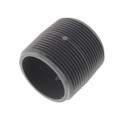
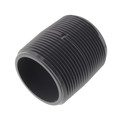

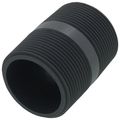
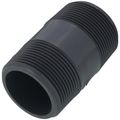
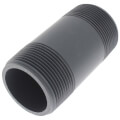
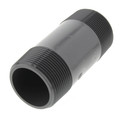
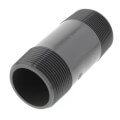
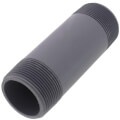
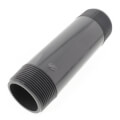
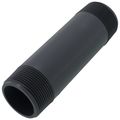
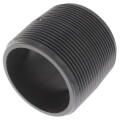
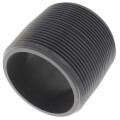
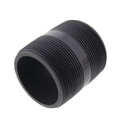
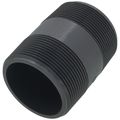
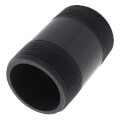
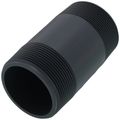
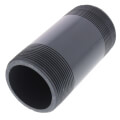
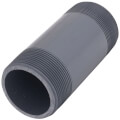
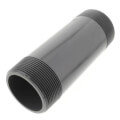
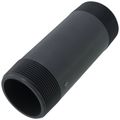
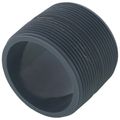
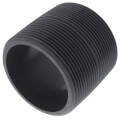
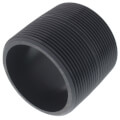
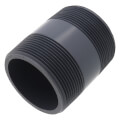
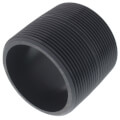
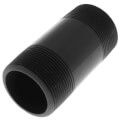
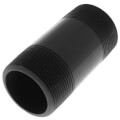
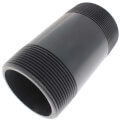
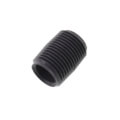
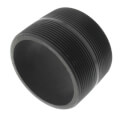
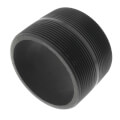
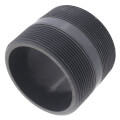
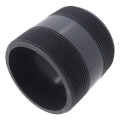
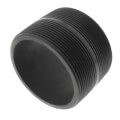
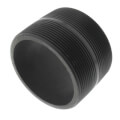
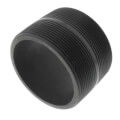
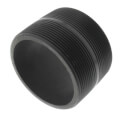
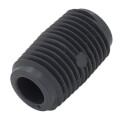
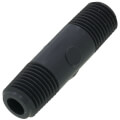
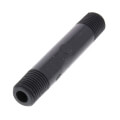

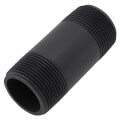
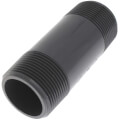
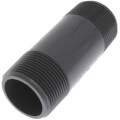
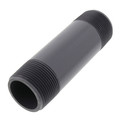
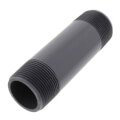
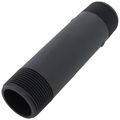
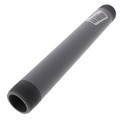
PVC Sch 80 Nipples are short, threaded lengths of Schedule 80 PVC pipe used to join two fittings, valves, or a fitting and a piece of equipment where a plain pipe run will not fit. Plumbers and irrigation contractors reach for them any time a connection needs a specific, fixed length between two threaded ports, such as between a valve and a union or a pump and its inlet fitting. The heavier Schedule 80 wall thickness gives the nipple more material at the threads than a thinner Schedule 40 part, which matters at a joint that gets tightened and loosened repeatedly during service work. Nipples come threaded on both ends, on one end only, or as a close nipple with almost no unthreaded body between the two ends. Picking the right length and thread configuration up front avoids having to cut and rethread pipe on site to make a connection work.
Subcategories
- Standard Length Nipples: Standard length nipples are threaded on both ends with a visible section of unthreaded pipe body between them, available in common lengths from a couple inches up to a foot or more. Contractors use these when a valve or fitting needs to sit a specific distance from another connection point. The exposed body section also gives a wrench or strap a place to grip during installation without damaging the threads. They cover most general plumbing and irrigation connection needs.
- Close Nipples: Close nipples are threaded almost their entire length, leaving little to no unthreaded body between the two ends. Plumbers use them when two fittings need to connect directly with minimal space between them, such as joining two valves back to back. Because there is so little body to grip, installing a close nipple usually calls for a pipe wrench positioned carefully to avoid cracking the threads. They are common in tight equipment rooms where space is limited.
- Single-Ended Nipples: Single-ended nipples are threaded on one end only, with the other end left plain for solvent welding into a Schedule 80 PVC system. Installers use these to transition from a threaded fitting or piece of equipment into a glued pipe run. The plain end takes a standard PVC solvent weld joint using the same primer and cement as the rest of the system. This style is common where equipment with threaded ports needs to tie into a larger glued PVC line.
Buying Guide
Selecting a PVC Sch 80 nipple starts with the pipe diameter and thread size needed to match the fittings or equipment on either end of the connection. From there, length is the next decision: a standard nipple with visible body works for most general connections, while a close nipple fits jobs where two fittings need to sit almost flush against each other. Jobs that transition from a threaded connection into a glued pipe run call for a single-ended nipple instead of a fully threaded one. Schedule 80 is the right choice over Schedule 40 whenever the connection sees frequent disassembly, higher mechanical stress, or exposure that calls for a thicker pipe wall at the threads, such as at a pump, valve, or piece of equipment that gets serviced often. Threads should be checked for damage before installation, since a nicked or cross-threaded nipple will leak no matter how well the rest of the joint is prepared. PTFE tape or a compatible thread sealant on the male threads is standard practice for a watertight seal on any threaded PVC connection, and overtightening a plastic fitting risks cracking it, so hand-tight plus a partial turn with a wrench is usually enough. Keeping a small stock of common lengths and thread sizes on hand saves a trip back to the supply house mid-installation.
Frequently Asked Questions
What is the difference between Schedule 40 and Schedule 80 PVC nipples?
Schedule 80 nipples have a thicker pipe wall than Schedule 40, which gives them more material at the threads and more resistance to cracking under repeated tightening. Schedule 80 is generally used at connections that see more mechanical stress or frequent disassembly, such as valves and pump fittings. Schedule 40 is common in general drain or lower-stress lines where thread durability matters less.
How do I pick the right length nipple for a connection?
Length depends on the gap between the two fittings or ports being joined, measured with the fittings dry-fit in place before final assembly. A standard nipple works when there is room for a visible pipe body between the threaded ends, while a close nipple fits when the two fittings need to sit almost against each other. Measuring twice before cutting or ordering avoids ending up with a nipple that is too short to reach both connections.
Can PVC Sch 80 nipples be used with metal fittings?
Yes, threaded PVC nipples commonly connect to metal valves or fittings that share the same thread size and type, most often standard NPT threads. Thread sealant is still required at the joint, and care should be taken not to overtighten the plastic nipple against a metal fitting. Mixing materials at a threaded joint is a normal part of many plumbing and irrigation installations.
Why did a close nipple crack during installation?
A cracked close nipple is usually the result of overtightening, since there is very little unthreaded body to absorb wrench torque compared to a standard nipple. Using a strap wrench or padded jaws instead of gripping the threads directly reduces the risk of stress cracks. Hand-tightening first and adding only a partial turn with a wrench is the safer approach on any plastic threaded fitting.
What is a single-ended nipple used for?
A single-ended nipple has threads on one end and a plain end for solvent welding, making it useful for tying a threaded fitting or piece of equipment into a glued PVC pipe run. It removes the need for an extra coupling to make that transition. This style is common where a pump, filter, or valve with threaded ports connects into a larger Schedule 80 system.
