




Filters
SORT
Product Availability –
Size –
Review Score –
 --%3E %3Csvg version='1.1' id='Fill' xmlns='http://www.w3.org/2000/svg' xmlns:xlink='http://www.w3.org/1999/xlink' x='0px' y='0px' viewBox='0 0 100 100' enable-background='new 0 0 100 100' xml:space='preserve'%3E %3Cpath fill='%23F15C02' d='M79.44,0.95H20.56C9.78,0.95,0.95,9.78,0.95,20.56v58.87c0,10.79,8.82,19.61,19.61,19.61h58.87 c10.79,0,19.61-8.83,19.61-19.61V20.56C99.05,9.78,90.22,0.95,79.44,0.95z M65.38,58.24l9.38,29.58L49.69,69.78L24.5,87.82 l9.34-29.6L8.8,39.6l30.73-0.17c0,0,6.98-19.61,10-28.93c0.54,1.36,9.88,29.1,9.88,29.1H91.2L65.38,58.24z'/%3E %3C/svg%3E)
 --%3E %3Csvg version='1.1' id='With-RB' xmlns='http://www.w3.org/2000/svg' xmlns:xlink='http://www.w3.org/1999/xlink' x='0px' y='0px' viewBox='0 0 100 100' enable-background='new 0 0 100 100' xml:space='preserve'%3E %3Cpath fill='%23FBC8B4' d='M79.44,0.95H20.56C9.78,0.95,0.95,9.78,0.95,20.56v58.87c0,10.79,8.82,19.61,19.61,19.61h58.87 c10.79,0,19.61-8.83,19.61-19.61V20.56C99.05,9.78,90.22,0.95,79.44,0.95z M65.38,58.24l9.38,29.58L49.69,69.78L24.5,87.82 l9.34-29.6L8.8,39.6l30.73-0.17c0,0,6.98-19.61,10-28.93c0.54,1.36,9.88,29.1,9.88,29.1H91.2L65.38,58.24z'/%3E %3C/svg%3E)
Price Range –
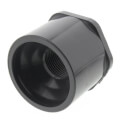
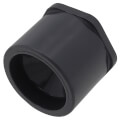
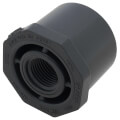
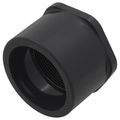
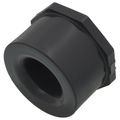
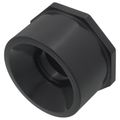
PVC Schedule 80 Bushings (SPG x FPT)

 --%3E %3Csvg version='1.1' id='Half' xmlns='http://www.w3.org/2000/svg' xmlns:xlink='http://www.w3.org/1999/xlink' x='0px' y='0px' viewBox='0 0 100 100' enable-background='new 0 0 100 100' xml:space='preserve'%3E %3Cg%3E %3Cpath fill='%23F15C02' d='M30.05,70.23l3.79-12.01L8.8,39.6l30.73-0.17c0,0,6.98-19.61,10-28.93c0.54,1.36,9.88,29.1,9.88,29.1h1.58 L93.71,7.18c-3.58-3.82-8.66-6.23-14.28-6.23H20.56C9.78,0.95,0.95,9.78,0.95,20.56v58.87c0,5.41,2.22,10.32,5.79,13.88 L30.05,70.23z'/%3E %3C/g%3E %3Cpath fill='%23FBC8B4' d='M93.71,7.18L60.98,39.6H91.2L65.38,58.24l9.38,29.58L49.69,69.78L24.5,87.82l5.55-17.59L6.75,93.32 c3.55,3.54,8.44,5.73,13.82,5.73h58.87c10.79,0,19.61-8.83,19.61-19.61V20.56C99.05,15.4,97.01,10.69,93.71,7.18z'/%3E %3C/svg%3E)












 --%3E %3Csvg version='1.1' id='No-RB' xmlns='http://www.w3.org/2000/svg' xmlns:xlink='http://www.w3.org/1999/xlink' x='0px' y='0px' viewBox='0 0 100 100' enable-background='new 0 0 100 100' xml:space='preserve'%3E %3Cpath fill='%23CECECE' d='M79.44,0.95H20.56C9.78,0.95,0.95,9.78,0.95,20.56v58.87c0,10.79,8.82,19.61,19.61,19.61h58.87 c10.79,0,19.61-8.83,19.61-19.61V20.56C99.05,9.78,90.22,0.95,79.44,0.95z M65.38,58.24l9.38,29.58L49.69,69.78L24.5,87.82 l9.34-29.6L8.8,39.6l30.73-0.17c0,0,6.98-19.61,10-28.93c0.54,1.36,9.88,29.1,9.88,29.1H91.2L65.38,58.24z'/%3E %3C/svg%3E)

PVC Schedule 80 Bushings (SPG x FPT) are reducing fittings with a solvent-weld spigot end on one side and female threads on the other, used to step down pipe size while transitioning from a glued joint to a threaded connection. The spigot end solvent welds into the last fitting on the pipe run, while the female threaded end accepts a male-threaded valve, gauge, or piece of equipment. Sizes from a half-inch through two inches carry a maximum internal pressure rating of 235 psi at 73 degrees Fahrenheit, with larger sizes stepping down to 150 psi and eventually 100 psi as pipe diameter increases.
Maximum service temperature for the material tops out at 140 degrees Fahrenheit, and pressure ratings need to be de-rated further as operating temperature climbs toward that limit. Installers reach for these bushings on chemical process lines, irrigation mains, and water treatment piping where a threaded connection point needs to drop into a smaller size than the surrounding glued pipe.
Subcategories
- 1/2 in. to 2 in. Reducer Bushings: Half-inch through two-inch Schedule 80 bushings carry a maximum internal pressure rating of 235 psi at 73 degrees Fahrenheit, the highest rating in the line, and cover most residential and light commercial branch reductions. Installers use this size range to drop a run down to a smaller threaded connection for a valve, gauge, or piece of equipment. The combination of small size and high pressure rating makes this range the most commonly specified across the Schedule 80 bushing line.
- 2-1/2 in. to 6 in. Reducer Bushings: Mid-range bushings from two-and-a-half through six inches carry a maximum internal pressure rating of 150 psi at 73 degrees Fahrenheit, lower than the smaller sizes but still well above typical municipal water pressure. Irrigation mains, larger process lines, and water treatment piping use this range when a bigger pipe needs to step down to a threaded fitting. The wider bore still solvent welds the same way as the smaller sizes, keeping installation consistent across the product line.
- 8 in. and Larger Reducer Bushings: The largest bushings, eight inches and up, carry a maximum internal pressure rating of 100 psi at 73 degrees Fahrenheit, reflecting the lower operating pressures typical of large-diameter industrial and municipal piping. Treatment plant piping and large process lines use this size range when a threaded connection point is still needed despite the pipe's larger size. Pressure de-rating still applies at elevated temperatures, same as the rest of the Schedule 80 line.
Buying Guide
Start with the pressure the system actually runs at, since Schedule 80 bushings step down in maximum rating as size increases. Half-inch through two-inch sizes carry 235 psi at 73 degrees Fahrenheit, two-and-a-half through six-inch sizes drop to 150 psi, and eight-inch and larger sizes carry 100 psi at the same reference temperature. A system running near the top of one of those ratings needs the pressure checked against actual operating temperature too, since PVC Schedule 80 Bushings (SPG x FPT) lose pressure capacity as temperature climbs toward the material's 140 degree Fahrenheit service limit. Confirm which two connection types the job actually needs before ordering. The spigot end solvent welds permanently into the last glued fitting on the run, so that side of the connection can't be taken apart later without cutting the pipe. The female threaded end accepts a male-threaded valve, gauge, or equipment fitting and can be broken down for service without touching the glued side of the joint. Sizing the bushing correctly means matching the spigot size to the pipe already glued in place and the FPT size to the threaded component being installed, which aren't always the same nominal size on a reducing bushing. Chemical compatibility with PVC should also get a check before specifying, since Schedule 80 handles a wide range of process fluids but isn't universal, and the wrong chemical exposure shortens the fitting's service life regardless of pressure rating.
Frequently Asked Questions
What pressure rating do PVC Schedule 80 Bushings (SPG x FPT) carry?
Pressure rating depends on size: half-inch through two-inch bushings carry 235 psi at 73 degrees Fahrenheit, two-and-a-half through six-inch sizes carry 150 psi, and eight-inch and larger sizes carry 100 psi. All ratings drop further as operating temperature rises.
What's the maximum temperature these bushings can handle?
PVC Schedule 80 material tops out at a maximum service temperature of 140 degrees Fahrenheit. Pressure capacity de-rates as the system approaches that temperature, so a bushing running hot needs a lower effective pressure rating than its room-temperature number.
Which end of the bushing gets glued and which gets threaded?
The spigot end solvent welds into the last glued fitting on the pipe run, forming a permanent joint. The FPT end threads onto a male-threaded valve, gauge, or piece of equipment and can be disconnected for service without disturbing the glued side.
Can a Schedule 80 bushing reduce pipe size and add threads in one fitting?
Yes, a reducing bushing combines a size change with a connection type change in a single fitting, so a larger glued pipe can step down to a smaller threaded connection without adding a separate reducer and adapter. Matching both the spigot size and the FPT size to the components on either side keeps the transition correct.
Are these bushings suitable for large-diameter industrial piping?
Sizes eight inches and larger are available with a 100 psi pressure rating at 73 degrees Fahrenheit, suited to large-diameter industrial and municipal piping applications. Smaller sizes carry higher pressure ratings, so matching size to the system's actual operating pressure matters across the whole range.
