




Panel Radiators
Panel radiators are flat, steel heat emitters used in hydronic heating systems to warm a room through a combination of convection and radiant heat off the panel surface. The category covers full panel radiators from several manufacturers, towel-warming panel radiators for bathrooms, baseboard-style radiators that run along the floor line, and the thermostatic valves used to control output at each unit. Panel radiators are a common retrofit option in homes converting from older cast-iron radiators or adding zoned heat to a single room.
A panel radiator's output depends on its physical size, the number of panels and convector fins stacked together, and the water temperature supplied by the boiler or heat source. Contractors size a radiator to the room's heat loss rather than by appearance alone, since an undersized unit will not keep the space comfortable during the coldest part of the heating season.




Subcategories
- Buderus Panel Radiators: Buderus panel radiators are a line of steel panel radiators built for hydronic heating systems, available in several panel and fin configurations to match different room heat loads. Contractors specify this line on jobs already using Buderus boilers or where a specific panel profile is called for in the design. Matching panel height and length to the available wall space keeps the installation straightforward.
- Omnipanel Towel Radiators: Omnipanel towel radiators combine a panel radiator with integrated bars for warming and drying towels, typically installed in bathrooms tied into the home's hydronic heating loop. Contractors use this subcategory for bathroom heating zones where towel warming is part of the design brief. Confirming the unit connects to the same water temperature and pressure as the rest of the zone keeps output consistent.
- Runtal Baseboard Radiators: Runtal baseboard radiators run low along a wall in place of a traditional panel, delivering hydronic heat from a slim profile that fits under windows or along exterior walls. Contractors choose this subcategory when a full panel radiator will not fit the available wall space or when a continuous baseboard look is preferred. Output scales with the length of baseboard installed, so total run length needs to match the room's calculated heat loss.
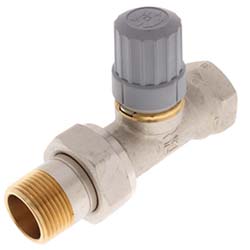
- Thermostatic Radiator Valves: Thermostatic radiator valves mount at the radiator's supply connection and adjust water flow into the unit based on the room's temperature, giving each radiator independent control within a zoned system. Contractors install these valves on jobs where room-by-room temperature control matters more than a single zone thermostat. Setting the valve correctly after installation keeps the room from overheating relative to the rest of the zone.
Buying Guide
Sizing a panel radiator starts with the room's heat loss calculation, which accounts for square footage, ceiling height, window area, and insulation level. Manufacturers publish output ratings at standard water temperatures for each radiator size, and matching the radiator's rated output to the calculated heat loss, rather than guessing based on the size of the radiator being replaced, keeps the room comfortable through the coldest stretch of winter.
Panel count and fin depth both affect output for a given radiator length. A radiator with more panels and convector fins delivers more heat from the same wall footprint, which matters on retrofit jobs where wall space is limited and a taller or deeper unit is not an option.
Water temperature supplied by the boiler changes how much heat a given radiator puts out. Radiators sized for a traditional boiler running at a higher supply temperature may underperform if paired with a condensing boiler or heat pump running at lower water temperatures, so confirming the system's design temperature before sizing avoids an undersized installation.
Baseboard-style radiators size differently than panel units, since output scales with the linear length installed rather than panel height and depth. Measuring available wall length accurately, and accounting for any breaks needed around doors, windows, or furniture, keeps the total run long enough to meet the room's heat load.
Thermostatic radiator valves add room-by-room control on top of the radiator itself, and selecting a valve compatible with the radiator's connection size and the system's flow requirements keeps that control accurate. Rooms with variable heat gain, such as ones with large south-facing windows, benefit most from the added control a thermostatic valve provides over a fixed-flow connection.
Frequently Asked Questions
How do I size a panel radiator for a room?
Sizing starts with a room heat loss calculation based on square footage, insulation, window area, and ceiling height, then matching that number to a radiator's rated output at the system's design water temperature. Sizing off the radiator being replaced alone can leave a room under-heated if the old unit was already undersized.
Do panel radiators work with a condensing boiler running lower water temperatures?
Panel radiators can work with lower supply temperatures, but they typically need to be sized larger to deliver the same output as they would at a higher traditional boiler temperature. Confirming the system's design water temperature before sizing keeps the radiator matched to actual output at that temperature.
What is the difference between a panel radiator and a baseboard radiator?
A panel radiator is a flat unit mounted on the wall, sized by height and width, while a baseboard radiator runs low along the floor line and is sized by linear length. Wall space and the room's design both influence which style fits a given installation better.
Can a thermostatic radiator valve be added to an existing radiator?
A thermostatic radiator valve can often be added at the radiator's supply connection as long as the valve's size and thread match the existing piping. Checking the radiator's connection size before ordering a valve avoids a fitting mismatch.
Do towel-warming panel radiators need a separate heating zone?
A towel-warming panel radiator can tie into an existing hydronic zone as long as the zone's water temperature and pressure suit the unit's rating. Some installations do add a dedicated zone valve so the towel radiator can run independently of the rest of the heating system.
Resources
Subcategories
- Buderus Panel Radiators: Buderus panel radiators are a line of steel panel radiators built for hydronic heating systems, available in several panel and fin configurations to match different room heat loads. Contractors specify this line on jobs already using Buderus boilers or where a specific panel profile is called for in the design. Matching panel height and length to the available wall space keeps the installation straightforward.
- Omnipanel Towel Radiators: Omnipanel towel radiators combine a panel radiator with integrated bars for warming and drying towels, typically installed in bathrooms tied into the home's hydronic heating loop. Contractors use this subcategory for bathroom heating zones where towel warming is part of the design brief. Confirming the unit connects to the same water temperature and pressure as the rest of the zone keeps output consistent.
- Runtal Baseboard Radiators: Runtal baseboard radiators run low along a wall in place of a traditional panel, delivering hydronic heat from a slim profile that fits under windows or along exterior walls. Contractors choose this subcategory when a full panel radiator will not fit the available wall space or when a continuous baseboard look is preferred. Output scales with the length of baseboard installed, so total run length needs to match the room's calculated heat loss.
- Thermostatic Radiator Valves: Thermostatic radiator valves mount at the radiator's supply connection and adjust water flow into the unit based on the room's temperature, giving each radiator independent control within a zoned system. Contractors install these valves on jobs where room-by-room temperature control matters more than a single zone thermostat. Setting the valve correctly after installation keeps the room from overheating relative to the rest of the zone.
Buying Guide
Sizing a panel radiator starts with the room's heat loss calculation, which accounts for square footage, ceiling height, window area, and insulation level. Manufacturers publish output ratings at standard water temperatures for each radiator size, and matching the radiator's rated output to the calculated heat loss, rather than guessing based on the size of the radiator being replaced, keeps the room comfortable through the coldest stretch of winter.
Panel count and fin depth both affect output for a given radiator length. A radiator with more panels and convector fins delivers more heat from the same wall footprint, which matters on retrofit jobs where wall space is limited and a taller or deeper unit is not an option.
Water temperature supplied by the boiler changes how much heat a given radiator puts out. Radiators sized for a traditional boiler running at a higher supply temperature may underperform if paired with a condensing boiler or heat pump running at lower water temperatures, so confirming the system's design temperature before sizing avoids an undersized installation.
Baseboard-style radiators size differently than panel units, since output scales with the linear length installed rather than panel height and depth. Measuring available wall length accurately, and accounting for any breaks needed around doors, windows, or furniture, keeps the total run long enough to meet the room's heat load.
Thermostatic radiator valves add room-by-room control on top of the radiator itself, and selecting a valve compatible with the radiator's connection size and the system's flow requirements keeps that control accurate. Rooms with variable heat gain, such as ones with large south-facing windows, benefit most from the added control a thermostatic valve provides over a fixed-flow connection.
Frequently Asked Questions
How do I size a panel radiator for a room?
Sizing starts with a room heat loss calculation based on square footage, insulation, window area, and ceiling height, then matching that number to a radiator's rated output at the system's design water temperature. Sizing off the radiator being replaced alone can leave a room under-heated if the old unit was already undersized.
Do panel radiators work with a condensing boiler running lower water temperatures?
Panel radiators can work with lower supply temperatures, but they typically need to be sized larger to deliver the same output as they would at a higher traditional boiler temperature. Confirming the system's design water temperature before sizing keeps the radiator matched to actual output at that temperature.
What is the difference between a panel radiator and a baseboard radiator?
A panel radiator is a flat unit mounted on the wall, sized by height and width, while a baseboard radiator runs low along the floor line and is sized by linear length. Wall space and the room's design both influence which style fits a given installation better.
Can a thermostatic radiator valve be added to an existing radiator?
A thermostatic radiator valve can often be added at the radiator's supply connection as long as the valve's size and thread match the existing piping. Checking the radiator's connection size before ordering a valve avoids a fitting mismatch.
Do towel-warming panel radiators need a separate heating zone?
A towel-warming panel radiator can tie into an existing hydronic zone as long as the zone's water temperature and pressure suit the unit's rating. Some installations do add a dedicated zone valve so the towel radiator can run independently of the rest of the heating system.