



Filters
SORT
Product Availability –
BTU Output –
Height (Inches) –
Length (Inches) –
Review Score –
 --%3E %3Csvg version='1.1' id='Fill' xmlns='http://www.w3.org/2000/svg' xmlns:xlink='http://www.w3.org/1999/xlink' x='0px' y='0px' viewBox='0 0 100 100' enable-background='new 0 0 100 100' xml:space='preserve'%3E %3Cpath fill='%23F15C02' d='M79.44,0.95H20.56C9.78,0.95,0.95,9.78,0.95,20.56v58.87c0,10.79,8.82,19.61,19.61,19.61h58.87 c10.79,0,19.61-8.83,19.61-19.61V20.56C99.05,9.78,90.22,0.95,79.44,0.95z M65.38,58.24l9.38,29.58L49.69,69.78L24.5,87.82 l9.34-29.6L8.8,39.6l30.73-0.17c0,0,6.98-19.61,10-28.93c0.54,1.36,9.88,29.1,9.88,29.1H91.2L65.38,58.24z'/%3E %3C/svg%3E)
 --%3E %3Csvg version='1.1' id='With-RB' xmlns='http://www.w3.org/2000/svg' xmlns:xlink='http://www.w3.org/1999/xlink' x='0px' y='0px' viewBox='0 0 100 100' enable-background='new 0 0 100 100' xml:space='preserve'%3E %3Cpath fill='%23FBC8B4' d='M79.44,0.95H20.56C9.78,0.95,0.95,9.78,0.95,20.56v58.87c0,10.79,8.82,19.61,19.61,19.61h58.87 c10.79,0,19.61-8.83,19.61-19.61V20.56C99.05,9.78,90.22,0.95,79.44,0.95z M65.38,58.24l9.38,29.58L49.69,69.78L24.5,87.82 l9.34-29.6L8.8,39.6l30.73-0.17c0,0,6.98-19.61,10-28.93c0.54,1.36,9.88,29.1,9.88,29.1H91.2L65.38,58.24z'/%3E %3C/svg%3E)
Price Range –
Buderus Panel Radiators

 --%3E %3Csvg version='1.1' id='Half' xmlns='http://www.w3.org/2000/svg' xmlns:xlink='http://www.w3.org/1999/xlink' x='0px' y='0px' viewBox='0 0 100 100' enable-background='new 0 0 100 100' xml:space='preserve'%3E %3Cg%3E %3Cpath fill='%23F15C02' d='M30.05,70.23l3.79-12.01L8.8,39.6l30.73-0.17c0,0,6.98-19.61,10-28.93c0.54,1.36,9.88,29.1,9.88,29.1h1.58 L93.71,7.18c-3.58-3.82-8.66-6.23-14.28-6.23H20.56C9.78,0.95,0.95,9.78,0.95,20.56v58.87c0,5.41,2.22,10.32,5.79,13.88 L30.05,70.23z'/%3E %3C/g%3E %3Cpath fill='%23FBC8B4' d='M93.71,7.18L60.98,39.6H91.2L65.38,58.24l9.38,29.58L49.69,69.78L24.5,87.82l5.55-17.59L6.75,93.32 c3.55,3.54,8.44,5.73,13.82,5.73h58.87c10.79,0,19.61-8.83,19.61-19.61V20.56C99.05,15.4,97.01,10.69,93.71,7.18z'/%3E %3C/svg%3E)

 --%3E %3Csvg version='1.1' id='No-RB' xmlns='http://www.w3.org/2000/svg' xmlns:xlink='http://www.w3.org/1999/xlink' x='0px' y='0px' viewBox='0 0 100 100' enable-background='new 0 0 100 100' xml:space='preserve'%3E %3Cpath fill='%23CECECE' d='M79.44,0.95H20.56C9.78,0.95,0.95,9.78,0.95,20.56v58.87c0,10.79,8.82,19.61,19.61,19.61h58.87 c10.79,0,19.61-8.83,19.61-19.61V20.56C99.05,9.78,90.22,0.95,79.44,0.95z M65.38,58.24l9.38,29.58L49.69,69.78L24.5,87.82 l9.34-29.6L8.8,39.6l30.73-0.17c0,0,6.98-19.61,10-28.93c0.54,1.36,9.88,29.1,9.88,29.1H91.2L65.38,58.24z'/%3E %3C/svg%3E)
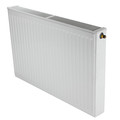
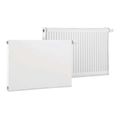
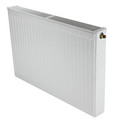






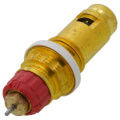
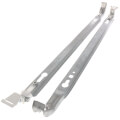
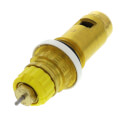
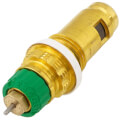
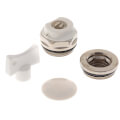


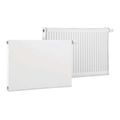
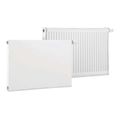
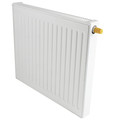
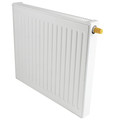
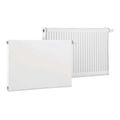
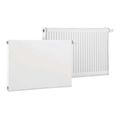
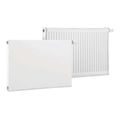
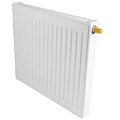
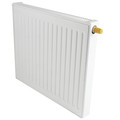
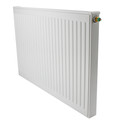
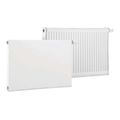
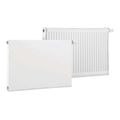
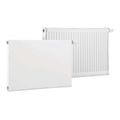
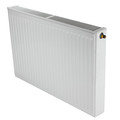
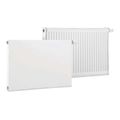
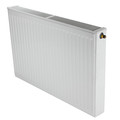
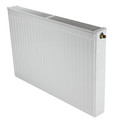
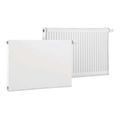
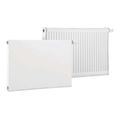
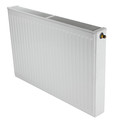
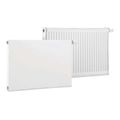
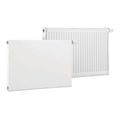
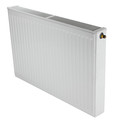
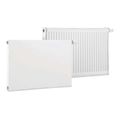
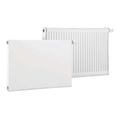
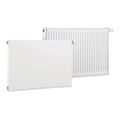
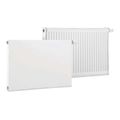
Buderus panel radiators are steel hydronic heating panels that connect to a boiler system and radiate heat into a room through a combination of radiant and convective heat transfer. Hot water circulates through internal channels in the steel panel, warming the metal surface, while some models add convector fins on the back side to boost airflow-driven heat output beyond what the flat panel alone provides. Installers choose between single-panel and double-panel styles depending on the heat load of the room being served, with double-panel units delivering more output from the same wall footprint. Buderus radiators mount to a wall using brackets sized to the unit's width and height, and most models accept standard valve and fitting connections used throughout hydronic systems. Contractors specify panel radiators in renovation and new-construction hydronic projects where wall-mounted heat emitters replace or supplement baseboard and radiant floor systems.
Subcategories
- Single-Panel Radiators: Single-panel radiators use one flat steel heating panel without added convector fins, giving a slim profile that suits rooms with lower heat loads or limited wall depth. Bedrooms, small offices, and other moderately sized rooms are common applications for this style. Because the panel radiates heat primarily through its front surface, output is lower per square foot than a finned model of the same dimensions. Installers often pair single-panel units with supplemental heat sources in larger or colder rooms.
- Double-Panel Radiators: Double-panel radiators stack two steel panels together, often with fins between them, to roughly double the heating surface within the same wall footprint as a single-panel unit. Larger rooms, open living areas, and spaces with higher heat loss typically call for this style over a single panel. The added depth of a double-panel unit needs to be confirmed against available wall clearance before installation. Contractors sizing a room's heat load frequently reach for double-panel radiators once a single panel cannot meet the calculated demand.
- Radiators with Convector Fins: Panel radiators built with convector fins add folded metal fins to the back of the heating panel, increasing surface area so more heat transfers to room air through natural convection. The added fin surface pushes total heat output well above what the flat panel radiates on its own, letting a smaller unit meet a given room's heat load. Installers select finned models when wall space is limited but heating demand is still relatively high. Rooms with higher ceilings or greater heat loss often use finned radiators to close the gap without moving to a double-panel unit.
- Low-Profile and Compact Radiators: Compact and low-profile Buderus radiators reduce depth or height to fit installations where a standard panel radiator will not clear a window sill, baseboard, or tight wall space. Renovation projects in older buildings frequently call for this format, where original wall layouts were not designed around modern radiator dimensions. Output per unit is generally lower than a standard-depth radiator of the same width, so contractors may need a longer unit to make up the difference. Confirming exact mounting dimensions against the available wall space is especially important with this format.
Buying Guide
Sizing a hydronic heating panel starts with the room's calculated heat load, typically expressed in BTUs per hour based on square footage, insulation, window area, and local climate. A room with a modest heat load and adequate wall space usually works well with a single-panel radiator, while spaces with higher heat loss or limited wall footprint often need the added output of a double-panel or finned model instead.
Wall clearance and mounting depth deserve attention before ordering, since double-panel and finned units project further from the wall than single-panel styles. Measuring the available depth around windows, furniture, and doorways prevents an installed radiator from interfering with room use. Buderus Panel Radiators mount using brackets keyed to the unit's specific height and width, so confirming bracket compatibility with the wall type, whether drywall, masonry, or plaster, is part of a complete installation plan.
Boiler system compatibility also factors into selection. Confirming the radiator's flow and return connection sizes match the existing hydronic piping avoids the need for additional adapters at rough-in. Rooms undergoing renovation, where original radiators are being replaced, often benefit from measuring the existing unit's footprint first, since matching or slightly increasing capacity in the same wall space simplifies both the piping connections and the visual transition from old to new.
Frequently Asked Questions
How is a panel radiator's heat output determined?
Output is generally rated in BTUs per hour at a standard water temperature and flow rate, based on the panel's surface area and whether it includes convector fins. Rooms are sized against a calculated heat load so the radiator's rated output meets or slightly exceeds that number. Manufacturer output charts typically list ratings across a range of water temperatures since actual system temperature affects real-world performance.
What is the difference between single-panel and double-panel radiators?
A single-panel radiator uses one steel heating surface, while a double-panel unit stacks two panels together, often with fins between them, to increase output within the same wall width. Double-panel units project further from the wall and typically cost more, but deliver meaningfully higher heat output for rooms that need it. Choosing between the two generally comes down to the room's heat load and available wall depth.
Can these radiators be used with any boiler system?
Panel radiators connect to standard hydronic piping and are compatible with most residential and light commercial boiler systems, provided the flow and return connections match. Confirming valve and fitting sizes against the existing piping before ordering helps avoid needing extra adapters at installation. System water temperature and flow rate also affect actual heat output, so checking those figures against the radiator's rating is part of a proper installation.
Do panel radiators need bleeding like other hydronic heat emitters?
Yes. Air trapped in the panel during filling or after service can reduce heat output and cause noise, so most panel radiators include an air vent valve for periodic bleeding. Bleeding is typically part of routine hydronic system maintenance, especially after any work that involves draining and refilling the system. A radiator that heats unevenly across its surface often has trapped air as the underlying cause.
What wall material is needed to mount a panel radiator?
Panel radiators mount using brackets that attach to the wall, and the correct anchoring hardware depends on whether the wall is drywall over studs, masonry, or plaster. Heavier double-panel units generally need anchors rated for the additional weight compared to a single-panel radiator. Confirming stud location or using appropriate masonry anchors before mounting keeps the installed radiator secure under normal use.
