



Filters
SORT
Product Availability –
Brand –
Review Score –
 --%3E %3Csvg version='1.1' id='Fill' xmlns='http://www.w3.org/2000/svg' xmlns:xlink='http://www.w3.org/1999/xlink' x='0px' y='0px' viewBox='0 0 100 100' enable-background='new 0 0 100 100' xml:space='preserve'%3E %3Cpath fill='%23F15C02' d='M79.44,0.95H20.56C9.78,0.95,0.95,9.78,0.95,20.56v58.87c0,10.79,8.82,19.61,19.61,19.61h58.87 c10.79,0,19.61-8.83,19.61-19.61V20.56C99.05,9.78,90.22,0.95,79.44,0.95z M65.38,58.24l9.38,29.58L49.69,69.78L24.5,87.82 l9.34-29.6L8.8,39.6l30.73-0.17c0,0,6.98-19.61,10-28.93c0.54,1.36,9.88,29.1,9.88,29.1H91.2L65.38,58.24z'/%3E %3C/svg%3E)
Price Range –
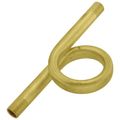
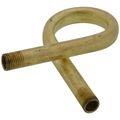
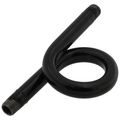
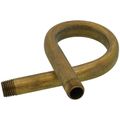
Pigtails


 --%3E %3Csvg version='1.1' id='No-RB' xmlns='http://www.w3.org/2000/svg' xmlns:xlink='http://www.w3.org/1999/xlink' x='0px' y='0px' viewBox='0 0 100 100' enable-background='new 0 0 100 100' xml:space='preserve'%3E %3Cpath fill='%23CECECE' d='M79.44,0.95H20.56C9.78,0.95,0.95,9.78,0.95,20.56v58.87c0,10.79,8.82,19.61,19.61,19.61h58.87 c10.79,0,19.61-8.83,19.61-19.61V20.56C99.05,9.78,90.22,0.95,79.44,0.95z M65.38,58.24l9.38,29.58L49.69,69.78L24.5,87.82 l9.34-29.6L8.8,39.6l30.73-0.17c0,0,6.98-19.61,10-28.93c0.54,1.36,9.88,29.1,9.88,29.1H91.2L65.38,58.24z'/%3E %3C/svg%3E)
 --%3E %3Csvg version='1.1' id='Half' xmlns='http://www.w3.org/2000/svg' xmlns:xlink='http://www.w3.org/1999/xlink' x='0px' y='0px' viewBox='0 0 100 100' enable-background='new 0 0 100 100' xml:space='preserve'%3E %3Cg%3E %3Cpath fill='%23F15C02' d='M30.05,70.23l3.79-12.01L8.8,39.6l30.73-0.17c0,0,6.98-19.61,10-28.93c0.54,1.36,9.88,29.1,9.88,29.1h1.58 L93.71,7.18c-3.58-3.82-8.66-6.23-14.28-6.23H20.56C9.78,0.95,0.95,9.78,0.95,20.56v58.87c0,5.41,2.22,10.32,5.79,13.88 L30.05,70.23z'/%3E %3C/g%3E %3Cpath fill='%23FBC8B4' d='M93.71,7.18L60.98,39.6H91.2L65.38,58.24l9.38,29.58L49.69,69.78L24.5,87.82l5.55-17.59L6.75,93.32 c3.55,3.54,8.44,5.73,13.82,5.73h58.87c10.79,0,19.61-8.83,19.61-19.61V20.56C99.05,15.4,97.01,10.69,93.71,7.18z'/%3E %3C/svg%3E)

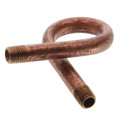
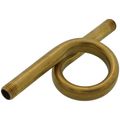
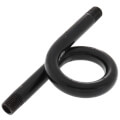


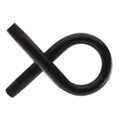
Pigtails are short factory-made wire leads, usually terminated with a connector or spade at one end, used to extend, splice, or connect electrical components in HVAC and refrigeration equipment without requiring a full custom wire run. Electricians and HVAC technicians use them at compressor terminals, capacitors, disconnect switches, and control boards where a factory connector needs to reach a slightly different mounting point or where an original lead has failed. Using a pre-terminated pigtail instead of stripping and splicing bare wire on site saves time and gives a more consistent connection than a field-made splice. Pigtails are rated by wire gauge, length, and connector type, and matching all three to the original component is what makes a replacement work correctly. Keeping an assortment of common gauges and connector styles on the truck lets a technician complete an electrical repair without a special trip for one specific part.
Subcategories
- Compressor Terminal Pigtails: Compressor terminal pigtails connect field wiring to the compressor's internal terminals, often through a quick-connect or push-on style fitting designed to withstand the heat and vibration at the compressor housing. Technicians replace these when a terminal connection has arced, corroded, or melted from a loose original connection. Matching the pigtail's connector style to the compressor terminal type is critical since a poor fit at this connection is a common cause of compressor failure. Pigtail kits are often sold with all three terminals included to replace a full set at once.
- Capacitor Pigtails: Capacitor pigtails connect a run or start capacitor into the circuit, typically using a push-on spade connector sized to the capacitor's terminal. These are often replaced along with the capacitor itself when a terminal has overheated or when converting from a single capacitor to a dual-capacitor configuration. Wire gauge and connector size need to match the capacitor's rated terminal, since an oversized or undersized spade connector won't seat securely. Pre-wired capacitor pigtail sets speed up a capacitor swap compared to reusing worn factory leads.
- Disconnect and Whip Pigtails: Disconnect pigtails, sometimes called whips, connect an outdoor disconnect switch to the condensing unit's electrical whip or junction box, often in a flexible conduit assembly. Electricians select these based on wire gauge suited to the equipment's amperage draw and the length needed to reach between the disconnect and the unit. A damaged or undersized whip is a common finding during an electrical inspection tied to an HVAC installation. Replacing a whip pigtail as an assembly is usually simpler than rewiring flexible conduit in the field.
Buying Guide
Wire gauge is the first specification to confirm on any pigtail replacement, since a gauge that's too thin for the component's amperage draw creates a fire risk, while a heavier gauge than needed just adds unnecessary bulk at the connection point. Pigtails are typically labeled by both gauge and overall length, and matching length to the original lead avoids excess slack that has to be tucked awkwardly into a tight electrical compartment.
Connector type is the second factor, and it needs to match the exact terminal style on the component being connected, whether that's a push-on spade for a capacitor, a quick-connect for a compressor terminal, or a ring terminal for a disconnect. A pigtail with the right gauge but the wrong connector still won't make a secure connection. For compressor and disconnect applications, checking the equipment's amperage rating against the pigtail's gauge rating confirms the replacement can handle the actual electrical load rather than just physically fitting. Buying a small assortment of common gauges and connector styles rather than a single pigtail per job keeps a technician prepared for whatever terminal style shows up on a given call.
Frequently Asked Questions
How do I know what gauge pigtail a compressor or capacitor needs?
Check the amperage rating on the component's nameplate or the original factory wire gauge if it's still legible on the failed lead. Undersizing the gauge relative to the amperage draw creates a fire hazard, so matching or exceeding the original gauge is the safer choice when the original marking isn't readable. Manufacturer documentation for the specific compressor or capacitor model also lists the recommended wire gauge.
Can a pigtail with a different connector style be adapted to fit?
Adapting a mismatched connector with pliers or a field splice is possible but isn't a reliable long-term fix, since a poorly seated connector is a common cause of arcing and repeat failures. Sourcing the correct connector style for the terminal avoids that risk. Compressor and capacitor pigtail kits are widely available in the common connector styles used across most residential equipment.
Why do compressor terminals fail so often?
A loose or corroded connection at the terminal creates resistance, which generates heat and accelerates further corrosion in a cycle that eventually melts the connector or the terminal itself. Vibration during normal operation can also work a marginal connection loose over time. Replacing the pigtail with a properly matched connector, rather than reusing a stretched or discolored one, addresses the underlying cause instead of just the symptom.
Should all three compressor terminals be replaced at once, or just the failed one?
Replacing all three terminals at the same time is common practice, since the other two connectors have seen the same heat cycling and vibration as the one that failed. Kits sold as a complete set make this straightforward. Replacing only the failed terminal is possible but leaves the other connectors at a similar age and risk of near-term failure.
Is a disconnect whip pigtail the same as a standard extension cord?
No. A disconnect whip is built with conduit and connectors rated for outdoor exposure and the specific amperage of HVAC equipment, while a standard extension cord isn't rated for permanent outdoor electrical connections. Using an unrated substitute in place of a proper whip assembly is both a code violation and a safety risk. Whips are sized and rated specifically for this connection point between the disconnect and the condensing unit.
