




Filters
SORT
Product Availability –
Review Score –
 --%3E %3Csvg version='1.1' id='Fill' xmlns='http://www.w3.org/2000/svg' xmlns:xlink='http://www.w3.org/1999/xlink' x='0px' y='0px' viewBox='0 0 100 100' enable-background='new 0 0 100 100' xml:space='preserve'%3E %3Cpath fill='%23F15C02' d='M79.44,0.95H20.56C9.78,0.95,0.95,9.78,0.95,20.56v58.87c0,10.79,8.82,19.61,19.61,19.61h58.87 c10.79,0,19.61-8.83,19.61-19.61V20.56C99.05,9.78,90.22,0.95,79.44,0.95z M65.38,58.24l9.38,29.58L49.69,69.78L24.5,87.82 l9.34-29.6L8.8,39.6l30.73-0.17c0,0,6.98-19.61,10-28.93c0.54,1.36,9.88,29.1,9.88,29.1H91.2L65.38,58.24z'/%3E %3C/svg%3E)
 --%3E %3Csvg version='1.1' id='With-RB' xmlns='http://www.w3.org/2000/svg' xmlns:xlink='http://www.w3.org/1999/xlink' x='0px' y='0px' viewBox='0 0 100 100' enable-background='new 0 0 100 100' xml:space='preserve'%3E %3Cpath fill='%23FBC8B4' d='M79.44,0.95H20.56C9.78,0.95,0.95,9.78,0.95,20.56v58.87c0,10.79,8.82,19.61,19.61,19.61h58.87 c10.79,0,19.61-8.83,19.61-19.61V20.56C99.05,9.78,90.22,0.95,79.44,0.95z M65.38,58.24l9.38,29.58L49.69,69.78L24.5,87.82 l9.34-29.6L8.8,39.6l30.73-0.17c0,0,6.98-19.61,10-28.93c0.54,1.36,9.88,29.1,9.88,29.1H91.2L65.38,58.24z'/%3E %3C/svg%3E)
Price Range –
Pilot Assembly and Gas Thermostats (Residential)


 --%3E %3Csvg version='1.1' id='No-RB' xmlns='http://www.w3.org/2000/svg' xmlns:xlink='http://www.w3.org/1999/xlink' x='0px' y='0px' viewBox='0 0 100 100' enable-background='new 0 0 100 100' xml:space='preserve'%3E %3Cpath fill='%23CECECE' d='M79.44,0.95H20.56C9.78,0.95,0.95,9.78,0.95,20.56v58.87c0,10.79,8.82,19.61,19.61,19.61h58.87 c10.79,0,19.61-8.83,19.61-19.61V20.56C99.05,9.78,90.22,0.95,79.44,0.95z M65.38,58.24l9.38,29.58L49.69,69.78L24.5,87.82 l9.34-29.6L8.8,39.6l30.73-0.17c0,0,6.98-19.61,10-28.93c0.54,1.36,9.88,29.1,9.88,29.1H91.2L65.38,58.24z'/%3E %3C/svg%3E)
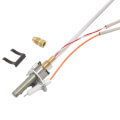


Pilot assembly and gas thermostats for residential applications are combination gas control components that manage both temperature regulation and pilot ignition on tank-style gas water heaters and older gas furnaces. Each unit typically pairs a thermostat dial, gas valve, and pilot burner assembly into a single replaceable part, letting a technician swap out a failed thermostat or a fouled pilot tube without removing the entire gas control valve. Homeowners and property managers often need a service call when the pilot light won't stay lit, the water temperature runs inconsistent, or the unit fails to reach its set temperature.
Plumbers and appliance technicians stock these assemblies because water heater failures rarely wait for a slow parts order, and matching the control to the specific tank capacity and BTU rating keeps the replacement code compliant. A reliable pilot and thermostat combination keeps hot water recovery times and gas consumption predictable for the life of the tank.
Subcategories
- Pilot Burner Assemblies: Pilot burner assemblies hold the small gas flame that ignites the main burner on a call for heat. Plumbers replace them when the pilot won't stay lit or the flame burns weak and yellow instead of steady blue. A worn thermocouple is often bundled with the burner since both parts tend to fail around the same service interval. Matching the assembly to the appliance's specific gas type, natural gas or propane, is critical for safe combustion.
- Combination Gas Control Valves: Combination gas control valves house the thermostat dial, pilot valve, and main gas valve in one body, controlling gas flow to both the pilot and the main burner. Technicians select a replacement by BTU input rating and inlet/outlet pipe size to keep the tank operating at its rated capacity. These valves are common failure points on older water heaters once the internal diaphragm wears out. A correctly matched valve restores consistent temperature control and shortens service calls.
- Thermocouples & Flame Sensors: Thermocouples and flame sensors detect whether the pilot flame is present and signal the gas valve to stay open only when ignition is confirmed. A failed thermocouple is one of the most common reasons a pilot won't stay lit after the igniter button is released. Replacement units are sized by length and thread type to fit the existing pilot bracket. Keeping a few on the truck lets a tech resolve a no-heat call in a single visit.
- Thermostat Dials & Knobs: Thermostat dials and knobs give the homeowner or technician manual control over the water heater's set temperature, working directly with the combination gas valve. Replacement dials are matched to the valve's temperature range and mounting shaft to keep calibration accurate. A cracked or loose dial can cause inconsistent temperature readings even when the rest of the gas control is functioning correctly. Techs typically test the valve's internal switch before swapping just the dial.
Buying Guide
Choosing the correct pilot assembly or gas thermostat starts with confirming the fuel type, natural gas or liquid propane, since the orifice sizing and pilot tubing differ between the two. Matching the BTU input rating to the original manufacturer's specification keeps the water heater or furnace operating within its designed recovery rate; installing an undersized valve can starve the burner, while an oversized one risks overheating the tank. Pipe thread size and inlet/outlet configuration also need to line up with the existing gas line, since a mismatched valve means additional fittings or a full re-plumb of the gas connection.
For a straightforward pilot repair, checking the thermocouple length and thread pattern first often solves the problem without replacing the entire gas control valve, saving both material cost and labor time. When the valve itself has failed, cross-referencing the appliance's model number against the replacement part's compatibility listing prevents a return trip for the wrong component. Contractors working across water heater brands should also verify whether the tank uses a standing pilot or an electronic ignition system, since combination gas valves aren't interchangeable between the two designs. Keeping a stocked assortment of common thermocouple lengths and a few popular gas valve models on the truck reduces same-day service delays, particularly during peak winter months when water heater failures spike alongside heating demand.
Frequently Asked Questions
What's the difference between a pilot assembly and a full gas control valve?
A pilot assembly is just the burner and thermocouple that produce and monitor the small standing flame, while a gas control valve houses the thermostat and the main gas metering components. Many residential water heaters combine both into one unit, but the pilot components can sometimes be replaced separately when only the ignition side has failed.
Can propane and natural gas pilot assemblies be swapped between fuel types?
No, propane and natural gas assemblies use different orifice sizes because the two fuels burn at different pressures and flow rates. Installing the wrong fuel-type assembly can cause an unsafe flame or prevent the pilot from lighting, so the fuel type always has to match the original appliance.
Why does a water heater pilot light keep going out?
A pilot that won't stay lit is most often caused by a weak or failing thermocouple that shuts off gas flow because it can't confirm the flame is present. Other common causes include a draft blowing out the flame, a dirty pilot orifice, or a failing gas control valve that can't hold the pilot circuit closed.
How is the correct BTU rating determined for a replacement gas valve?
The BTU input rating is printed on the appliance's rating plate, usually located near the gas control valve or on the tank jacket. Replacement valves should match that number, or fall within the range the manufacturer lists as compatible, to keep combustion and recovery time consistent with the original design.
Do these parts work on both furnaces and water heaters?
Some pilot and thermostat components are shared across residential furnaces and water heaters, but the mounting bracket, gas valve body, and control wiring often differ by appliance type. Checking the original part number or the appliance manufacturer's cross-reference is the most reliable way to confirm fit before ordering.
