




Polypropylene Venting
Polypropylene venting carries flue gas from condensing gas appliances to the outdoors. Water heaters, boilers, and furnaces that pull extra efficiency from their exhaust produce acidic condensate, and polypropylene pipe resists that corrosion far longer than PVC or CPVC vent pipe.
Rigid polypropylene pipe is rated for continuous flue temperatures up to 230°F (110°C), well above the limits of PVC and CPVC. It's certified for Category II and IV gas appliances that vent under positive pressure. Joints use gasketed connections instead of solvent cement, so crews can dry-fit and adjust runs without waiting on glue to cure. Flexible polypropylene liner handles offsets and masonry chimney relines where rigid pipe won't bend. Contractors match diameter and wall configuration (single wall or concentric) to the appliance's venting requirements before ordering parts.

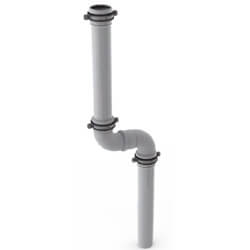

Subcategories
- DuraVent PolyPro Venting: DuraVent's PolyPro system uses rigid single wall pipe built from a minimum 2.2mm wall thickness and PolyPro Flex double wall pipe for offsets, both listed to ULC S636 for exhaust temperatures up to 230°F (110°C). Installers get 0 inch clearance to combustibles on vertical runs, which matters when routing through finished mechanical rooms with condensing boilers, furnaces, and water heaters.
- Z-DENS Polypropylene Venting: Z-Flex's Z-DENS line covers singlewall pipe in 2 inch to 8 inch diameters, plus flexible and concentric options. All are ULC S636 listed for continuous flue gas temperatures to 230°F (110°C) and pressure tested to 20 inches w.c. Self sealing gasket joints let crews assemble a run without primers or cement, which speeds up install on both positive and negative pressure Category II and IV appliances.
Buying Guide
Start with the appliance's venting category and pressure type. Category II and IV condensing appliances push acidic condensate through the vent. Polypropylene handles that chemistry where metal and PVC systems degrade at the joints over time.
Size pipe diameter against the appliance's BTU input and the total equivalent length of the run, including elbows. Undersized venting restricts draft and can trip a pressure switch on the appliance.
Pick rigid pipe for straight runs through mechanical rooms and flexible pipe for offsets, tight chases, or relining an existing masonry chimney. Concentric venting combines intake and exhaust in one penetration where a building only allows a single roof or wall opening.
Confirm clearance to combustibles for the specific install orientation, since horizontal runs often carry a tighter clearance requirement than vertical runs at the same exhaust temperature.
Match gasket material to the fuel. Standard EPDM gaskets suit typical gas fired condensing equipment, while oil fired appliances may call for gaskets rated for a wider range of condensate chemistry.
Frequently Asked Questions
What's the difference between polypropylene venting and PVC vent pipe?
Polypropylene holds up to continuous flue temperatures around 230°F (110°C), while PVC tops out near 149°F (65°C). Condensing appliances that run hotter exhaust or higher static pressure need the higher rated material to avoid joint failure.
Can polypropylene venting be used for oil fired equipment?
Yes, with the correct gasket material. Some polypropylene systems offer gasket options built for oil fired appliances, since the condensate chemistry differs from gas fired units. Check the specific system's listing before installing on an oil fired appliance.
Does polypropylene venting require primer or cement at the joints?
No. Both DuraVent PolyPro and Z-Flex Z-DENS use gasketed joints that seal on assembly. Installers skip the solvent cement and primer steps that PVC and CPVC systems require.
How is polypropylene venting sized for a condensing boiler?
Pipe diameter is sized against the boiler's BTU input and the total equivalent length of the vent run, counting elbows and transitions. Undersized venting restricts draft and can trip a pressure switch on the appliance.
What diameters are available for polypropylene venting systems?
Z-DENS singlewall pipe runs from 2 inches through 8 inches in diameter, with additional flexible and concentric configurations for specific routing needs. Diameter selection depends on the connected appliance's exhaust requirements.
Resources
Subcategories
- DuraVent PolyPro Venting: DuraVent's PolyPro system uses rigid single wall pipe built from a minimum 2.2mm wall thickness and PolyPro Flex double wall pipe for offsets, both listed to ULC S636 for exhaust temperatures up to 230°F (110°C). Installers get 0 inch clearance to combustibles on vertical runs, which matters when routing through finished mechanical rooms with condensing boilers, furnaces, and water heaters.
- Z-DENS Polypropylene Venting: Z-Flex's Z-DENS line covers singlewall pipe in 2 inch to 8 inch diameters, plus flexible and concentric options. All are ULC S636 listed for continuous flue gas temperatures to 230°F (110°C) and pressure tested to 20 inches w.c. Self sealing gasket joints let crews assemble a run without primers or cement, which speeds up install on both positive and negative pressure Category II and IV appliances.
Buying Guide
Start with the appliance's venting category and pressure type. Category II and IV condensing appliances push acidic condensate through the vent. Polypropylene handles that chemistry where metal and PVC systems degrade at the joints over time.
Size pipe diameter against the appliance's BTU input and the total equivalent length of the run, including elbows. Undersized venting restricts draft and can trip a pressure switch on the appliance.
Pick rigid pipe for straight runs through mechanical rooms and flexible pipe for offsets, tight chases, or relining an existing masonry chimney. Concentric venting combines intake and exhaust in one penetration where a building only allows a single roof or wall opening.
Confirm clearance to combustibles for the specific install orientation, since horizontal runs often carry a tighter clearance requirement than vertical runs at the same exhaust temperature.
Match gasket material to the fuel. Standard EPDM gaskets suit typical gas fired condensing equipment, while oil fired appliances may call for gaskets rated for a wider range of condensate chemistry.
Frequently Asked Questions
What's the difference between polypropylene venting and PVC vent pipe?
Polypropylene holds up to continuous flue temperatures around 230°F (110°C), while PVC tops out near 149°F (65°C). Condensing appliances that run hotter exhaust or higher static pressure need the higher rated material to avoid joint failure.
Can polypropylene venting be used for oil fired equipment?
Yes, with the correct gasket material. Some polypropylene systems offer gasket options built for oil fired appliances, since the condensate chemistry differs from gas fired units. Check the specific system's listing before installing on an oil fired appliance.
Does polypropylene venting require primer or cement at the joints?
No. Both DuraVent PolyPro and Z-Flex Z-DENS use gasketed joints that seal on assembly. Installers skip the solvent cement and primer steps that PVC and CPVC systems require.
How is polypropylene venting sized for a condensing boiler?
Pipe diameter is sized against the boiler's BTU input and the total equivalent length of the vent run, counting elbows and transitions. Undersized venting restricts draft and can trip a pressure switch on the appliance.
What diameters are available for polypropylene venting systems?
Z-DENS singlewall pipe runs from 2 inches through 8 inches in diameter, with additional flexible and concentric configurations for specific routing needs. Diameter selection depends on the connected appliance's exhaust requirements.