




Z-DENS Polypropylene Venting

 --%3E %3Csvg version='1.1' id='No-RB' xmlns='http://www.w3.org/2000/svg' xmlns:xlink='http://www.w3.org/1999/xlink' x='0px' y='0px' viewBox='0 0 100 100' enable-background='new 0 0 100 100' xml:space='preserve'%3E %3Cpath fill='%23CECECE' d='M79.44,0.95H20.56C9.78,0.95,0.95,9.78,0.95,20.56v58.87c0,10.79,8.82,19.61,19.61,19.61h58.87 c10.79,0,19.61-8.83,19.61-19.61V20.56C99.05,9.78,90.22,0.95,79.44,0.95z M65.38,58.24l9.38,29.58L49.69,69.78L24.5,87.82 l9.34-29.6L8.8,39.6l30.73-0.17c0,0,6.98-19.61,10-28.93c0.54,1.36,9.88,29.1,9.88,29.1H91.2L65.38,58.24z'/%3E %3C/svg%3E)


 --%3E %3Csvg version='1.1' id='Fill' xmlns='http://www.w3.org/2000/svg' xmlns:xlink='http://www.w3.org/1999/xlink' x='0px' y='0px' viewBox='0 0 100 100' enable-background='new 0 0 100 100' xml:space='preserve'%3E %3Cpath fill='%23F15C02' d='M79.44,0.95H20.56C9.78,0.95,0.95,9.78,0.95,20.56v58.87c0,10.79,8.82,19.61,19.61,19.61h58.87 c10.79,0,19.61-8.83,19.61-19.61V20.56C99.05,9.78,90.22,0.95,79.44,0.95z M65.38,58.24l9.38,29.58L49.69,69.78L24.5,87.82 l9.34-29.6L8.8,39.6l30.73-0.17c0,0,6.98-19.61,10-28.93c0.54,1.36,9.88,29.1,9.88,29.1H91.2L65.38,58.24z'/%3E %3C/svg%3E)
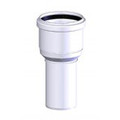
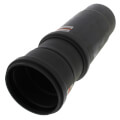
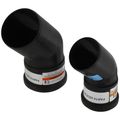
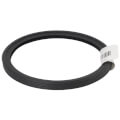
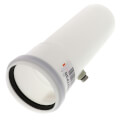
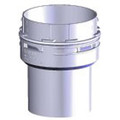
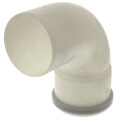
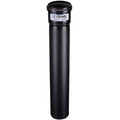
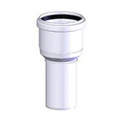
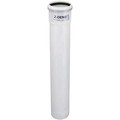
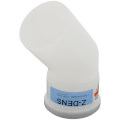


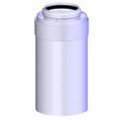
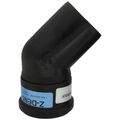
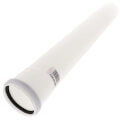

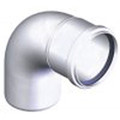
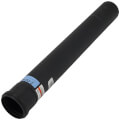
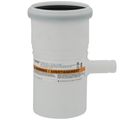
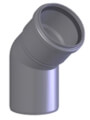

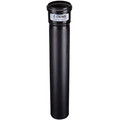
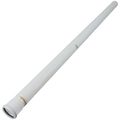

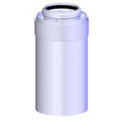
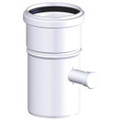

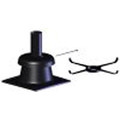
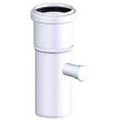
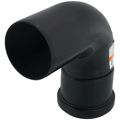
Z-DENS Polypropylene Venting is a ULC S636 certified vent system built from fire retardant polypropylene for high efficiency condensing gas and oil fired appliances. Rated for continuous flue temperatures up to 230°F, with a maximum resistance rating of 248°F, the system is designed for Category II and IV appliances that produce positive or negative pressure exhaust and condensate. Pipe, elbows, and connectors join through a self sealing gasket connection that doesn't require solvent cement or a curing period, letting a technician complete a run and bring the appliance online the same day. Diameters from 2 inches up to 8 inches cover single appliance vent runs as well as larger commercial common venting applications. Single wall, flexible, concentric, and cascade configurations give installers options for straight runs, tight chases, and combined intake and exhaust venting on the same appliance. For contractors venting modulating condensing boilers, tankless water heaters, and other high efficiency equipment, matching the vent material to the appliance's actual flue gas temperature and pressure keeps the installation within the vent manufacturer's listing.
Subcategories
- Single Wall Rigid Pipe: Single wall rigid Z-DENS pipe covers straight vent runs in diameters from 2 inches up to 8 inches, making it the standard choice for new construction and open mechanical room installations. Installers join sections through the self sealing gasket connection rather than solvent welding, which keeps installation moving without a cure time before startup. Rigid pipe fits both positive and negative pressure Category II and IV appliances within the system's 230°F continuous flue temperature rating. Straight sections, along with 45 degree and 87 degree elbows, make up most of a typical rigid run.
- Flexible Liner: Flexible Z-DENS liner comes in 2 inch, 3 inch, and 4 inch diameters and is built for retrofit jobs where a technician needs to fish venting through an existing masonry chimney or a tight, irregular chase. The flexible design lets the liner bend around obstructions that rigid pipe can't navigate without extra elbows and offsets. Like the rigid line, flexible liner carries the same ULC S636 certification and 230°F continuous temperature rating. Contractors commonly pair flexible liner with a rigid termination and connector kit at the appliance and roof or wall exit points.
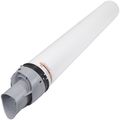
- Concentric Venting: Concentric Z-DENS venting combines an intake air pipe and an exhaust vent pipe into a single pipe within a pipe assembly, available in 2 inch by 4 inch, 3 inch by 5 inch, and 4 inch by 6 inch combinations. Sealed combustion appliances that draw outside air for combustion, rather than pulling air from the mechanical room, use concentric venting to route both functions through one wall or roof penetration. The design cuts down on the number of penetrations needed on a job compared to running separate intake and exhaust lines. Concentric sections use the same self sealing gasket connection as the rest of the Z-DENS line.
- Cascade Venting: Cascade Z-DENS venting connects multiple condensing appliances, such as several wall hung boilers or water heaters, into a shared common vent run. Commercial installations with bank mounted equipment use cascade configurations to avoid running an individual vent penetration for each appliance. Cascade fittings are sized to match the same 2 inch through 8 inch diameter range as the rest of the single wall line. Combining appliances onto one vent run still requires sizing the shared vent to handle the combined flue gas volume, so cascade venting is typically laid out by a mechanical engineer or the appliance manufacturer's venting tables.
Buying Guide
Start with the appliance manufacturer's venting tables, since flue diameter and maximum equivalent vent length are specified per appliance model rather than as a general rule across all condensing equipment. Matching Z-DENS diameter and configuration to those published tables, rather than defaulting to whatever diameter fits the available chase, keeps the installation within the appliance warranty and the vent system's own listing. Flue gas temperature is the next check. Z-DENS Polypropylene Venting carries a continuous operating rating up to 230°F, which covers standard condensing appliance flue temperatures, but confirming the specific appliance's flue temperature against that rating avoids an unlisted installation on equipment running unusually hot. Configuration choice depends on the job site more than personal preference. Rigid single wall pipe suits open mechanical rooms and new construction, flexible liner suits chimney retrofits and tight chases, concentric venting suits sealed combustion appliances needing a single penetration for intake and exhaust, and cascade configurations suit multiple appliances sharing one vent run. Connection method is worth confirming with the appliance manufacturer's installation manual as well, since the self sealing gasket system installs without solvent cement or cure time, which speeds up a job but still needs to be installed per the gasket manufacturer's insertion depth and orientation specifications. Stocking common diameters, elbows, and connector fittings covers most single appliance venting jobs without a special order mid installation.
Frequently Asked Questions
What certification does Z-DENS Polypropylene Venting carry?
Z-DENS carries ULC S636 certification, the listing standard for polypropylene venting systems used on category II and IV gas and oil fired condensing appliances. The certification confirms the vent system, including pipe, fittings, and gasket connections, has been tested as a complete assembly rather than as individual components. Checking that a job's installed configuration matches a listed assembly keeps the installation within that certification.
What sizes does Z-DENS venting come in?
Z-DENS single wall pipe is available in diameters from 2 inches up to 8 inches, while flexible liner comes in 2 inch, 3 inch, and 4 inch sizes for chimney retrofit work. Concentric venting, which combines intake and exhaust in one assembly, comes in 2 inch by 4 inch, 3 inch by 5 inch, and 4 inch by 6 inch combinations. Selecting the correct size still depends on the appliance manufacturer's published venting tables rather than the diameter alone.
What temperature range is Z-DENS rated for?
Z-DENS carries a continuous flue gas temperature rating up to 230°F, with a maximum resistance rating of 248°F for brief excursions above the continuous rating. Standard condensing appliance flue temperatures fall within this range, but checking the specific appliance's rated flue temperature against the vent's listing avoids installing an unlisted combination. Appliances running notably hotter than typical condensing equipment may call for a different venting material entirely.
How does Z-DENS venting connect without solvent cement?
Z-DENS uses a self sealing gasket connection built into each fitting, so sections join by inserting one pipe end into the next rather than applying solvent cement. The gasket design means there's no cure time before the appliance can start up, which speeds up same day installations. Installing to the correct insertion depth and orientation, per the manufacturer's instructions, is still necessary for the gasket to seal properly.
When does a job call for concentric or cascade Z-DENS configurations instead of standard single wall pipe?
Concentric venting fits sealed combustion appliances that need both intake air and exhaust routed through a single wall or roof penetration, cutting down on the number of penetrations a job requires. Cascade configurations connect multiple appliances, like several wall hung boilers, into one shared common vent run rather than individual vents for each unit. Both configurations are typically sized using the appliance manufacturer's venting tables rather than a generic diameter choice.
