




Filters
SORT
Product Availability –
Category –
Review Score –
 --%3E %3Csvg version='1.1' id='Fill' xmlns='http://www.w3.org/2000/svg' xmlns:xlink='http://www.w3.org/1999/xlink' x='0px' y='0px' viewBox='0 0 100 100' enable-background='new 0 0 100 100' xml:space='preserve'%3E %3Cpath fill='%23F15C02' d='M79.44,0.95H20.56C9.78,0.95,0.95,9.78,0.95,20.56v58.87c0,10.79,8.82,19.61,19.61,19.61h58.87 c10.79,0,19.61-8.83,19.61-19.61V20.56C99.05,9.78,90.22,0.95,79.44,0.95z M65.38,58.24l9.38,29.58L49.69,69.78L24.5,87.82 l9.34-29.6L8.8,39.6l30.73-0.17c0,0,6.98-19.61,10-28.93c0.54,1.36,9.88,29.1,9.88,29.1H91.2L65.38,58.24z'/%3E %3C/svg%3E)
 --%3E %3Csvg version='1.1' id='With-RB' xmlns='http://www.w3.org/2000/svg' xmlns:xlink='http://www.w3.org/1999/xlink' x='0px' y='0px' viewBox='0 0 100 100' enable-background='new 0 0 100 100' xml:space='preserve'%3E %3Cpath fill='%23FBC8B4' d='M79.44,0.95H20.56C9.78,0.95,0.95,9.78,0.95,20.56v58.87c0,10.79,8.82,19.61,19.61,19.61h58.87 c10.79,0,19.61-8.83,19.61-19.61V20.56C99.05,9.78,90.22,0.95,79.44,0.95z M65.38,58.24l9.38,29.58L49.69,69.78L24.5,87.82 l9.34-29.6L8.8,39.6l30.73-0.17c0,0,6.98-19.61,10-28.93c0.54,1.36,9.88,29.1,9.88,29.1H91.2L65.38,58.24z'/%3E %3C/svg%3E)
Price Range –
DuraVent PolyPro Venting


 --%3E %3Csvg version='1.1' id='No-RB' xmlns='http://www.w3.org/2000/svg' xmlns:xlink='http://www.w3.org/1999/xlink' x='0px' y='0px' viewBox='0 0 100 100' enable-background='new 0 0 100 100' xml:space='preserve'%3E %3Cpath fill='%23CECECE' d='M79.44,0.95H20.56C9.78,0.95,0.95,9.78,0.95,20.56v58.87c0,10.79,8.82,19.61,19.61,19.61h58.87 c10.79,0,19.61-8.83,19.61-19.61V20.56C99.05,9.78,90.22,0.95,79.44,0.95z M65.38,58.24l9.38,29.58L49.69,69.78L24.5,87.82 l9.34-29.6L8.8,39.6l30.73-0.17c0,0,6.98-19.61,10-28.93c0.54,1.36,9.88,29.1,9.88,29.1H91.2L65.38,58.24z'/%3E %3C/svg%3E)



 --%3E %3Csvg version='1.1' id='Half' xmlns='http://www.w3.org/2000/svg' xmlns:xlink='http://www.w3.org/1999/xlink' x='0px' y='0px' viewBox='0 0 100 100' enable-background='new 0 0 100 100' xml:space='preserve'%3E %3Cg%3E %3Cpath fill='%23F15C02' d='M30.05,70.23l3.79-12.01L8.8,39.6l30.73-0.17c0,0,6.98-19.61,10-28.93c0.54,1.36,9.88,29.1,9.88,29.1h1.58 L93.71,7.18c-3.58-3.82-8.66-6.23-14.28-6.23H20.56C9.78,0.95,0.95,9.78,0.95,20.56v58.87c0,5.41,2.22,10.32,5.79,13.88 L30.05,70.23z'/%3E %3C/g%3E %3Cpath fill='%23FBC8B4' d='M93.71,7.18L60.98,39.6H91.2L65.38,58.24l9.38,29.58L49.69,69.78L24.5,87.82l5.55-17.59L6.75,93.32 c3.55,3.54,8.44,5.73,13.82,5.73h58.87c10.79,0,19.61-8.83,19.61-19.61V20.56C99.05,15.4,97.01,10.69,93.71,7.18z'/%3E %3C/svg%3E)
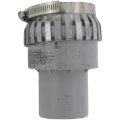
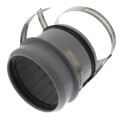
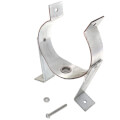
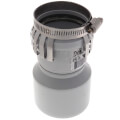
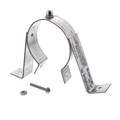
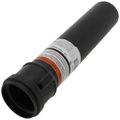
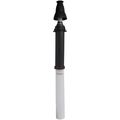
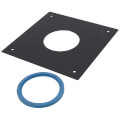
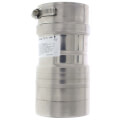
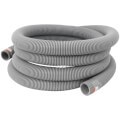
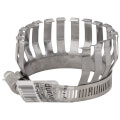
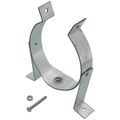
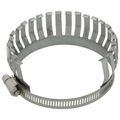
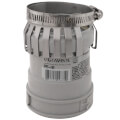
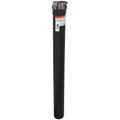
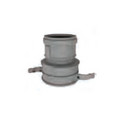
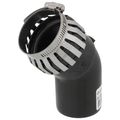
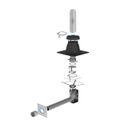

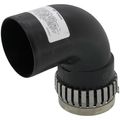

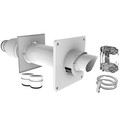

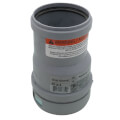
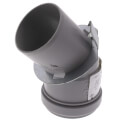
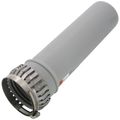
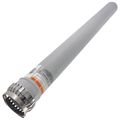
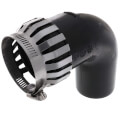
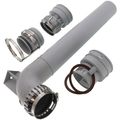
DuraVent PolyPro venting is a polypropylene pipe system used to exhaust combustion byproducts from high-efficiency condensing appliances, including condensing boilers, tankless water heaters, and warm air furnaces. PolyPro is rated for ANSI Category II and IV gas-burning appliances and can handle exhaust temperatures up to 230 degrees Fahrenheit, a higher operating range than PVC or CPVC vent pipe. Because polypropylene resists the acidic condensate that condensing appliances produce, it holds up over time in venting applications where PVC can degrade at the joints. PolyPro is available in both rigid and flexible configurations, which gives installers options for straight vertical runs as well as longer horizontal routing through existing chases. Matching the vent diameter and configuration to the specific appliance's venting requirements, rather than assuming one pipe size fits every condensing unit, keeps the system within the appliance manufacturer's certified venting specification.
Subcategories
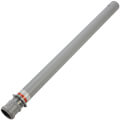
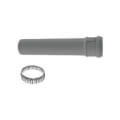
- PolyPro Rigid Vent Pipe: Rigid PolyPro vent pipe handles straight vertical and horizontal runs where the venting path does not need to flex around obstacles. The rigid pipe is constructed with a minimum wall thickness that gives it the structural strength to support its own weight over longer vent runs without sagging. Technicians typically use rigid sections for the majority of a vent run and reserve flexible sections for tight transitions. Rigid PolyPro connects with mechanical joints rather than solvent welding, which keeps installation straightforward compared with older PVC venting methods.
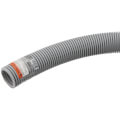
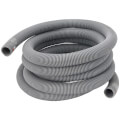
- PolyPro Flex Venting: PolyPro Flex is a double-wall flexible venting option used where a vent run needs to navigate bends, offsets, or an existing chase that is not a straight shot. The flexible construction reduces the number of rigid fittings needed on a complicated route, which can speed up installation in retrofit situations. Technicians use flex sections in combination with rigid pipe rather than running an entire vent length in flexible material, reserving flex for the sections that actually require it. Confirming the flex product's temperature and pressure rating against the specific appliance keeps the installation within its certified use.
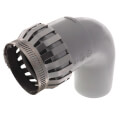
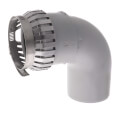
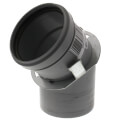
- PolyPro Fittings and Terminations: Fittings and terminations include the elbows, tees, and wall or roof termination kits needed to complete a PolyPro vent system. Termination location has to meet clearance requirements to windows, doors, and mechanical air intakes, which varies depending on whether the vent terminates through a wall or a roof. Using fittings and terminations from the same PolyPro product line as the vent pipe keeps the system's pressure and temperature rating consistent from the appliance connection through to the outdoor termination. Mixing components from different vent systems can void the appliance manufacturer's venting certification.
Buying Guide
Start by confirming the appliance's venting requirements in its installation manual, since the appliance manufacturer specifies which vent categories and materials are approved, and DuraVent PolyPro venting needs to match that specification rather than being selected independently. Measure the actual vent run, noting how many horizontal feet, vertical feet, and direction changes the path requires, since that determines how much rigid pipe versus flexible PolyPro Flex the job needs.
Check the exhaust temperature the appliance produces against PolyPro's rated maximum, keeping in mind that its higher temperature tolerance compared with PVC or CPVC is one of the reasons it gets specified for high-efficiency condensing equipment in the first place. Confirm termination clearance requirements before finalizing the vent path, since wall and roof terminations both need to maintain distance from windows, doors, and mechanical air intakes, and the required clearance can affect whether a wall or roof termination is more practical for a given job.
Use fittings and termination kits from the same PolyPro product line as the vent pipe rather than mixing components across venting systems, since doing so can void the appliance manufacturer's certified venting configuration. Finally, verify local code requirements for combustion air and venting material before starting the installation, since some jurisdictions have specific requirements for condensing appliance venting beyond what the appliance manufacturer specifies.
Frequently Asked Questions
What appliances is DuraVent PolyPro venting designed for?
PolyPro is designed for high-efficiency condensing appliances, including condensing boilers, tankless water heaters, and warm air furnaces, and is rated for ANSI Category II and IV gas-burning equipment.
How does PolyPro's temperature rating compare to PVC or CPVC vent pipe?
PolyPro is rated for exhaust temperatures up to 230 degrees Fahrenheit, higher than PVC's 149-degree limit and CPVC's 194-degree limit, which gives it a wider margin on appliances that run closer to those thresholds.
Can PolyPro rigid pipe and PolyPro Flex be used in the same vent run?
Yes, technicians commonly combine rigid pipe for straight sections with flexible sections at bends or tight transitions, as long as both components carry a matching temperature and pressure rating for the appliance being vented.
Why does PolyPro resist corrosion better than some other vent materials?
PolyPro's polypropylene construction is built to handle the acidic condensate that condensing appliances produce without the material breaking down at joints the way some other plastics can over time.
Does PolyPro require special clearance to combustible materials?
Vertical installations can be installed with minimal clearance to combustibles at rated exhaust temperatures, while horizontal runs need a small clearance allowance, so installers should confirm the specific clearance figures in the installation instructions for the appliance and configuration being vented.
