




Filters
SORT
Product Availability –
Review Score –
 --%3E %3Csvg version='1.1' id='Fill' xmlns='http://www.w3.org/2000/svg' xmlns:xlink='http://www.w3.org/1999/xlink' x='0px' y='0px' viewBox='0 0 100 100' enable-background='new 0 0 100 100' xml:space='preserve'%3E %3Cpath fill='%23F15C02' d='M79.44,0.95H20.56C9.78,0.95,0.95,9.78,0.95,20.56v58.87c0,10.79,8.82,19.61,19.61,19.61h58.87 c10.79,0,19.61-8.83,19.61-19.61V20.56C99.05,9.78,90.22,0.95,79.44,0.95z M65.38,58.24l9.38,29.58L49.69,69.78L24.5,87.82 l9.34-29.6L8.8,39.6l30.73-0.17c0,0,6.98-19.61,10-28.93c0.54,1.36,9.88,29.1,9.88,29.1H91.2L65.38,58.24z'/%3E %3C/svg%3E)
 --%3E %3Csvg version='1.1' id='With-RB' xmlns='http://www.w3.org/2000/svg' xmlns:xlink='http://www.w3.org/1999/xlink' x='0px' y='0px' viewBox='0 0 100 100' enable-background='new 0 0 100 100' xml:space='preserve'%3E %3Cpath fill='%23FBC8B4' d='M79.44,0.95H20.56C9.78,0.95,0.95,9.78,0.95,20.56v58.87c0,10.79,8.82,19.61,19.61,19.61h58.87 c10.79,0,19.61-8.83,19.61-19.61V20.56C99.05,9.78,90.22,0.95,79.44,0.95z M65.38,58.24l9.38,29.58L49.69,69.78L24.5,87.82 l9.34-29.6L8.8,39.6l30.73-0.17c0,0,6.98-19.61,10-28.93c0.54,1.36,9.88,29.1,9.88,29.1H91.2L65.38,58.24z'/%3E %3C/svg%3E)
Price Range –
Pressure Switches & Controls



 --%3E %3Csvg version='1.1' id='Half' xmlns='http://www.w3.org/2000/svg' xmlns:xlink='http://www.w3.org/1999/xlink' x='0px' y='0px' viewBox='0 0 100 100' enable-background='new 0 0 100 100' xml:space='preserve'%3E %3Cg%3E %3Cpath fill='%23F15C02' d='M30.05,70.23l3.79-12.01L8.8,39.6l30.73-0.17c0,0,6.98-19.61,10-28.93c0.54,1.36,9.88,29.1,9.88,29.1h1.58 L93.71,7.18c-3.58-3.82-8.66-6.23-14.28-6.23H20.56C9.78,0.95,0.95,9.78,0.95,20.56v58.87c0,5.41,2.22,10.32,5.79,13.88 L30.05,70.23z'/%3E %3C/g%3E %3Cpath fill='%23FBC8B4' d='M93.71,7.18L60.98,39.6H91.2L65.38,58.24l9.38,29.58L49.69,69.78L24.5,87.82l5.55-17.59L6.75,93.32 c3.55,3.54,8.44,5.73,13.82,5.73h58.87c10.79,0,19.61-8.83,19.61-19.61V20.56C99.05,15.4,97.01,10.69,93.71,7.18z'/%3E %3C/svg%3E)

 --%3E %3Csvg version='1.1' id='No-RB' xmlns='http://www.w3.org/2000/svg' xmlns:xlink='http://www.w3.org/1999/xlink' x='0px' y='0px' viewBox='0 0 100 100' enable-background='new 0 0 100 100' xml:space='preserve'%3E %3Cpath fill='%23CECECE' d='M79.44,0.95H20.56C9.78,0.95,0.95,9.78,0.95,20.56v58.87c0,10.79,8.82,19.61,19.61,19.61h58.87 c10.79,0,19.61-8.83,19.61-19.61V20.56C99.05,9.78,90.22,0.95,79.44,0.95z M65.38,58.24l9.38,29.58L49.69,69.78L24.5,87.82 l9.34-29.6L8.8,39.6l30.73-0.17c0,0,6.98-19.61,10-28.93c0.54,1.36,9.88,29.1,9.88,29.1H91.2L65.38,58.24z'/%3E %3C/svg%3E)


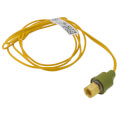
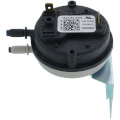
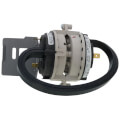
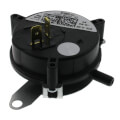
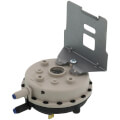
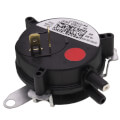
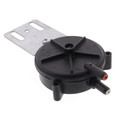
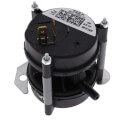
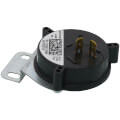


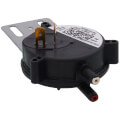
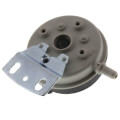
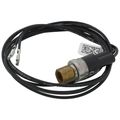
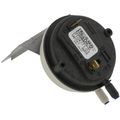
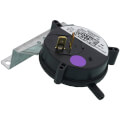
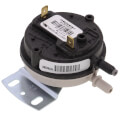
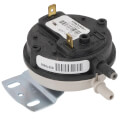
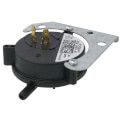
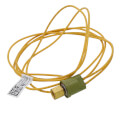
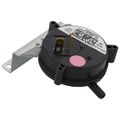
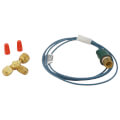
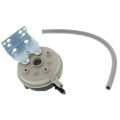
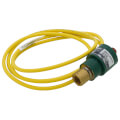

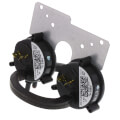
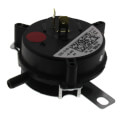
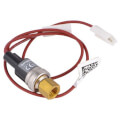
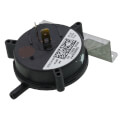
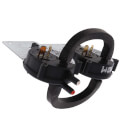
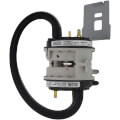
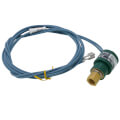
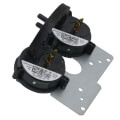
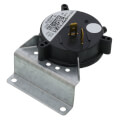
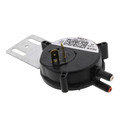
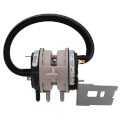
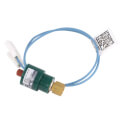

Pressure Switches & Controls are the safety and control devices that monitor air, gas, or liquid pressure inside HVAC and plumbing systems and open or close an electrical circuit in response. Furnace draft pressure switches confirm that a draft inducer is pulling enough combustion air before the control board allows the gas valve to open, while refrigeration and water system pressure controls cycle a compressor or pump on and off to hold a system within its designed operating range.
Manufacturers such as Honeywell build these switches with snap-action contacts and an adjustable differential, with some product lines spanning a pressure range from 0.5 psi up to 3000 psi to cover everything from low-pressure gas switches to high-pressure refrigerant controls. Because a pressure switch is a safety interlock as much as a control device, a switch that fails stuck open can shut a system down completely, while one that fails stuck closed can let a system run outside its safe operating window.
Stocking the correct switch for a given application keeps comfort calls and safety compliance on track.
Subcategories
- Furnace Draft Pressure Switches: Furnace draft pressure switches sit between the draft inducer housing and the control board, and they close only after the inducer creates enough negative pressure to prove safe venting. A stuck or misaligned switch is one of the most common reasons a furnace runs its inducer but never fires the burners. The snap-action design used in furnace draft switches matches the broader switch technology Honeywell applies across its pressure switch lineup. Checking the switch's tubing for moisture or debris is a quick first step before replacing the part.
- High and Low Refrigerant Pressure Controls: High and low refrigerant pressure controls protect a compressor by opening a circuit when system pressure moves outside a safe operating band. A high-pressure control trips when a dirty condenser coil or a failed condenser fan lets head pressure climb too far, while a low-pressure control trips when a refrigerant leak or a restricted metering device starves the system of charge. Adjustable differential settings, a feature built into switch lines like Honeywell's, let a technician fine-tune the exact cut-in and cut-out points for a given piece of equipment. Resetting a tripped control without diagnosing the underlying cause usually just leads to a repeat trip.
- Water System Pressure Switches: Water system pressure switches cycle a well pump or booster pump on and off to keep a plumbing system within its designed pressure range. A pump that short-cycles or fails to build pressure at all often points to a pressure switch with worn contacts or a setpoint that has drifted out of adjustment. Switches in this category typically use the same snap-action, adjustable-differential design found in HVAC pressure controls, just rated for water rather than air or refrigerant. Replacing a worn switch is usually a smaller repair than replacing the pump itself.
- Air Differential Pressure Switches: Air differential pressure switches monitor the pressure drop across a filter, coil, or duct section and signal when airflow has dropped below a safe threshold. Building and rooftop equipment use these switches to flag a clogged filter before it starves the system of airflow or trips a safety limit. Snap-action contacts with an adjustable differential, the same basic switch technology found across Honeywell's pressure switch line, let the trip point be set to match the specific airflow requirement of the equipment. Technicians commonly find this switch type on commercial rooftop units and larger air handlers.
Buying Guide
Identify the application before matching a part number. A furnace draft switch, a refrigerant high or low pressure control, and a water system pressure switch all perform a similar job, proving that pressure is within a safe range before allowing a circuit to close, but each is calibrated and tapped for a completely different medium and pressure range.
Match the switch's pressure rating and connection type to the equipment rather than substituting a switch that seems close on paper. Pressure Switches & Controls with even a small difference in cut-in or cut-out pressure can cause a refrigeration system to short-cycle or a furnace to lock out on a safety fault, so the original manufacturer's part number is the safest starting point.
Diagnose the root cause before replacing the switch. A pressure switch that trips repeatedly is often reporting a real problem elsewhere in the system, such as a dirty condenser coil, a restricted vent, or a worn pump, rather than a defective switch. Replacing the switch without addressing that underlying issue typically leads to a repeat failure and a second service call.
Stock the switches tied to the most common failure points in the equipment serviced most often, including furnace draft switches and water system pressure switches, since these are frequent no-heat and no-water emergency calls. For less common refrigeration pressure controls, confirm the adjustable differential range needed before ordering, since a fixed-differential switch cannot be field-adjusted to match a different setpoint.
Frequently Asked Questions
What does a furnace pressure switch actually control?
A furnace pressure switch confirms that the draft inducer has created enough negative pressure to safely vent combustion gases before the control board allows the gas valve to open. If the switch does not close within its rated timeframe, the control board will lock out ignition rather than risk incomplete combustion. Replacing a failed switch restores that safety check rather than bypassing it.
Why does a high-pressure refrigerant control keep tripping?
A high-pressure control trips when head pressure climbs above its rated cut-out point, most often due to a dirty condenser coil, a failed condenser fan motor, or a system overcharged with refrigerant. The switch itself is usually doing its job correctly by shutting the compressor down before damage occurs. Diagnosing and correcting the root cause is a more reliable fix than simply replacing the switch.
Can a pressure switch's trip point be adjusted in the field?
Many pressure switches and controls, including lines built by Honeywell, include an adjustable differential that lets a technician fine-tune the cut-in and cut-out points within a set range. Fixed-differential switches, by contrast, are set at the factory and cannot be field-adjusted. Checking the switch's specification sheet before installation confirms which type has been supplied.
What causes a water system pressure switch to short-cycle a pump?
A pressure switch with worn or pitted contacts, or one with a setpoint that has drifted, is a common cause of a pump cycling on and off more frequently than normal. A waterlogged pressure tank can produce the same symptom even with a healthy switch, so checking the tank is a useful first step. Replacing the switch typically resolves the issue when the tank itself is confirmed to be working correctly.
What pressure range do HVAC and plumbing pressure switches typically cover?
Pressure switch product lines can span a wide range, with some manufacturer lineups covering as little as 0.5 psi up to 3000 psi across different switch models. A specific application, such as a furnace draft switch or a water system control, uses a switch calibrated to a narrow band within that larger range. Matching the switch's rated range to the system it will control keeps the safety interlock accurate.
