




Filters
SORT
Product Availability –
Size –
Review Score –
 --%3E %3Csvg version='1.1' id='Fill' xmlns='http://www.w3.org/2000/svg' xmlns:xlink='http://www.w3.org/1999/xlink' x='0px' y='0px' viewBox='0 0 100 100' enable-background='new 0 0 100 100' xml:space='preserve'%3E %3Cpath fill='%23F15C02' d='M79.44,0.95H20.56C9.78,0.95,0.95,9.78,0.95,20.56v58.87c0,10.79,8.82,19.61,19.61,19.61h58.87 c10.79,0,19.61-8.83,19.61-19.61V20.56C99.05,9.78,90.22,0.95,79.44,0.95z M65.38,58.24l9.38,29.58L49.69,69.78L24.5,87.82 l9.34-29.6L8.8,39.6l30.73-0.17c0,0,6.98-19.61,10-28.93c0.54,1.36,9.88,29.1,9.88,29.1H91.2L65.38,58.24z'/%3E %3C/svg%3E)
Purge Stations



 --%3E %3Csvg version='1.1' id='No-RB' xmlns='http://www.w3.org/2000/svg' xmlns:xlink='http://www.w3.org/1999/xlink' x='0px' y='0px' viewBox='0 0 100 100' enable-background='new 0 0 100 100' xml:space='preserve'%3E %3Cpath fill='%23CECECE' d='M79.44,0.95H20.56C9.78,0.95,0.95,9.78,0.95,20.56v58.87c0,10.79,8.82,19.61,19.61,19.61h58.87 c10.79,0,19.61-8.83,19.61-19.61V20.56C99.05,9.78,90.22,0.95,79.44,0.95z M65.38,58.24l9.38,29.58L49.69,69.78L24.5,87.82 l9.34-29.6L8.8,39.6l30.73-0.17c0,0,6.98-19.61,10-28.93c0.54,1.36,9.88,29.1,9.88,29.1H91.2L65.38,58.24z'/%3E %3C/svg%3E)
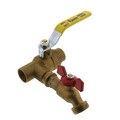

Purge stations are regulated nitrogen flow devices that technicians connect to refrigerant lines during brazing to prevent internal oxidation and scale formation inside copper tubing. Flowing dry nitrogen through the line while brazing displaces the oxygen that would otherwise combine with the hot copper surface and create scale, which can break loose later and contaminate compressors, expansion valves, and other system components. HVAC and refrigeration technicians use purge stations on new installation work and on repairs where a section of line set is cut open and rebrazed. The category covers digital and analog purge stations, along with the hoses, fittings, and flow meters needed to connect a nitrogen tank to the line being brazed. Choosing between a basic flow regulator and a full digital purge station depends on how often nitrogen purging is part of daily work and whether a crew wants automatic pressure testing built into the same device used for the purge. A properly used purge station protects the internal cleanliness of a refrigerant circuit, which matters directly for compressor life and warranty compliance on the equipment being installed or repaired.
Subcategories
- Digital Purge Stations: Digital purge stations combine nitrogen flow regulation with a built in display for monitoring purge and pressure test readings during brazing work. Technicians use the digital display to confirm flow rate and line pressure without needing a separate gauge, which speeds up the brazing and leak testing process on the same job. Many models can hold a set pressure for standing pressure tests after the purge is complete.
- Analog Flow Regulators: Analog flow regulators control nitrogen flow through a needle valve and gauge rather than a digital readout, offering a simpler and typically less expensive option for occasional purging work. Technicians who braze infrequently or run smaller crews often choose analog regulators since they require no batteries or calibration and hold up well in field conditions. A basic regulator still provides the flow control needed to prevent oxidation during brazing.
- Purge Hoses & Fittings: Purge hoses and connection fittings link the nitrogen tank or regulator to the refrigerant line set being brazed. Rated hoses withstand the pressures involved in both purging and standing pressure tests, while quick connect fittings speed up setup and breakdown between jobs. Keeping a spare hose and fitting set on the truck avoids delays when a primary hose develops a leak or crack.
- Pressure Test Gauges & Accessories: Pressure test gauges and related accessories let technicians verify that a brazed joint holds pressure after the nitrogen purge is complete, catching leaks before a system is charged with refrigerant. Some accessories combine the purge and pressure test function into a single gauge manifold, reducing the number of separate tools needed on a service call. Keeping a calibrated gauge in the truck stock supports consistent pressure testing across a crew.
Buying Guide
Selecting a purge station comes down to how often nitrogen purging fits into daily work and how much automation is worth paying for. A crew that brazes joints occasionally can get by with an analog flow regulator and a separate pressure gauge, since the equipment is simple, durable, and needs no calibration between jobs. A crew running full installation and service routes every day often finds that a digital purge station pays for itself by combining flow monitoring and pressure testing into a single device, cutting the number of tools that need to be carried and connected on each job.
Flow control accuracy matters most on larger line sets, where too little nitrogen flow leaves oxygen in the line and too much wastes tank capacity across a long work day. A regulator or digital station with a clear, readable flow adjustment makes it easier to dial in the correct rate for the tubing diameter being brazed.
Durability is another consideration, since purge equipment gets used in dusty attics, crawl spaces, and rooftop mechanical rooms where drops and temperature swings are common. Metal bodied regulators and stations with protected displays hold up better under these conditions than lighter duty models built for occasional light use.
Finally, check hose and fitting compatibility with the nitrogen tank regulators and refrigerant line fittings already in use on the truck, since mismatched connections slow down setup on every job and add avoidable delay to brazing work.
Frequently Asked Questions
Why is nitrogen purging necessary during brazing?
Nitrogen purging displaces the oxygen inside a copper line while it is being brazed, preventing the oxidation and scale that would otherwise form on the interior surface from heat exposure. Scale that breaks loose after the system is charged can contaminate compressors, filters, and metering devices.
What flow rate should a purge station be set to?
Flow rate depends on the diameter of the line being brazed, with larger lines generally needing a higher flow to fully displace oxygen along the length being worked on. Checking the tubing manufacturer's brazing guidance for the specific line size gives a reliable starting point.
Can a purge station also be used for pressure testing?
Many purge stations, especially digital models, include a pressure test function that lets a technician hold and monitor line pressure after the nitrogen purge is finished. Standalone analog regulators typically need a separate gauge for pressure testing.
How long should nitrogen flow before starting to braze?
Flow should start before the torch is lit and continue at a low rate throughout the brazing process, then continue briefly after the joint cools to prevent oxygen from being drawn back into the still hot line. The exact timing depends on line length and diameter.
Do purge stations work with any nitrogen tank size?
Most purge stations and regulators connect to standard nitrogen tank fittings regardless of tank size, though larger jobs benefit from a bigger tank that does not need to be swapped mid job. Checking the regulator's inlet fitting against the tank's outlet valve confirms compatibility before starting work.
