




Filters
SORT
Product Availability –
Review Score –
 --%3E %3Csvg version='1.1' id='Fill' xmlns='http://www.w3.org/2000/svg' xmlns:xlink='http://www.w3.org/1999/xlink' x='0px' y='0px' viewBox='0 0 100 100' enable-background='new 0 0 100 100' xml:space='preserve'%3E %3Cpath fill='%23F15C02' d='M79.44,0.95H20.56C9.78,0.95,0.95,9.78,0.95,20.56v58.87c0,10.79,8.82,19.61,19.61,19.61h58.87 c10.79,0,19.61-8.83,19.61-19.61V20.56C99.05,9.78,90.22,0.95,79.44,0.95z M65.38,58.24l9.38,29.58L49.69,69.78L24.5,87.82 l9.34-29.6L8.8,39.6l30.73-0.17c0,0,6.98-19.61,10-28.93c0.54,1.36,9.88,29.1,9.88,29.1H91.2L65.38,58.24z'/%3E %3C/svg%3E)
Price Range –
Relief Valves (Residential)



 --%3E %3Csvg version='1.1' id='No-RB' xmlns='http://www.w3.org/2000/svg' xmlns:xlink='http://www.w3.org/1999/xlink' x='0px' y='0px' viewBox='0 0 100 100' enable-background='new 0 0 100 100' xml:space='preserve'%3E %3Cpath fill='%23CECECE' d='M79.44,0.95H20.56C9.78,0.95,0.95,9.78,0.95,20.56v58.87c0,10.79,8.82,19.61,19.61,19.61h58.87 c10.79,0,19.61-8.83,19.61-19.61V20.56C99.05,9.78,90.22,0.95,79.44,0.95z M65.38,58.24l9.38,29.58L49.69,69.78L24.5,87.82 l9.34-29.6L8.8,39.6l30.73-0.17c0,0,6.98-19.61,10-28.93c0.54,1.36,9.88,29.1,9.88,29.1H91.2L65.38,58.24z'/%3E %3C/svg%3E)
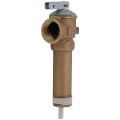
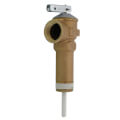
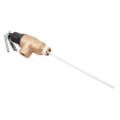
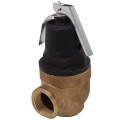

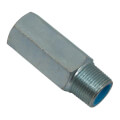
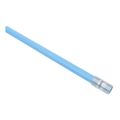
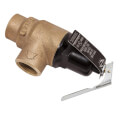
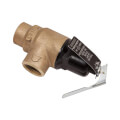
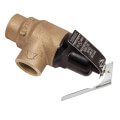

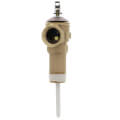
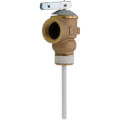
Relief Valves (Residential) are safety devices that discharge excess pressure or scalding hot water from a water heater before either one reaches an unsafe level. The most common configuration opens at 150 psi or 210 degrees F, whichever limit is reached first, and connects to the tank with a 3/4 inch NPT fitting on most residential water heaters up to 200,000 BTU. ASME, ANSI, and CSA approval mark a valve as tested to recognized safety standards, which is what most local plumbing codes require for a water heater installation. Systems built with plastic piping downstream sometimes add a second, lower-rated valve to protect the pipe itself rather than the tank. Every water heater needs one of these valves installed and piped to an approved discharge point, since a tank without a functioning relief valve has no way to release built-up pressure if the thermostat or an upstream device fails, which is the difference between a minor nuisance leak and a tank failure.
Subcategories
- 150/210 T&P Relief Valves: The 150/210 valve is the standard temperature and pressure relief valve found on most residential water heaters, opening at 150 psi or 210 degrees F, whichever comes first. Plumbers install these as the primary safety device on tank-style water heaters with a standard 3/4 inch NPT connection. ASME and CSA approval on this valve satisfies the safety requirement built into most residential plumbing codes.
- 125/210 T&P Relief Valves: The 125/210 valve trips at a lower pressure threshold of 125 psi while keeping the same 210 degree F temperature limit as the standard valve. Less common than the 150/210 configuration, it shows up on systems where the water heater or connected components carry a lower maximum working pressure. Matching the valve rating to the tank's actual pressure rating, rather than defaulting to 150/210, matters most here.
- 100/180 Supplemental Relief Valves: The 100/180 valve opens at a lower 100 psi and 180 degree F threshold and installs downstream of the primary relief valve on systems with plastic piping. Plastic pipe can't handle the same pressure and temperature the tank's relief valve is rated for, so this second valve protects the pipe itself rather than the water heater. Installers add this valve specifically when plastic distribution piping sits close to the water heater outlet.
Buying Guide
Start with the water heater's rated pressure and temperature limits, printed on the tank's data plate. A standard residential tank calls for the common 150 psi and 210 degree F valve, which covers the overwhelming majority of installations. A tank rated for lower maximum pressure needs a 125/210 valve instead, so checking the data plate before grabbing a valve off the shelf avoids installing one that doesn't match the tank.
Connection size is the next check. Most residential water heaters up to 200,000 BTU use a 3/4 inch NPT connection on the relief valve opening, and confirming this against the tank before purchase prevents a mismatched fitting on install day. Larger residential or light commercial tanks sometimes need a different size, so this isn't a safe assumption to skip.
Look at what's downstream of the tank. Relief Valves (Residential) protect the tank itself, but plastic distribution piping close to the water heater outlet can't handle a full-pressure discharge. Adding a supplemental 100/180 valve protects that pipe from the same failure the primary valve is designed to prevent on the tank.
Finally, confirm the valve carries ASME, ANSI, or CSA approval. Local plumbing codes generally check for those marks during inspection, and installing an unapproved valve on a water heater is one of the more common reasons a rough-in fails inspection.
Frequently Asked Questions
What pressure and temperature does a residential relief valve open at?
Most residential water heaters use a T&P relief valve rated to open at 150 psi or 210 degrees F, whichever limit is reached first. A less common 125/210 configuration exists for tanks with a lower maximum working pressure. Checking the tank's data plate confirms which rating applies before buying a replacement valve.
What size connection does a residential relief valve use?
A 3/4 inch NPT connection is the most common size on residential water heaters up to 200,000 BTU. Larger residential or light commercial tanks sometimes call for a different connection size, so matching the fitting to the tank opening is worth confirming before purchase. Installing the wrong size leads to a leak at the threads or a valve that won't seat properly.
When does a system need a supplemental 100/180 relief valve?
A supplemental 100/180 valve gets added when plastic piping runs downstream of the water heater's primary relief valve. Plastic pipe can't handle the same pressure and temperature the primary valve allows through during a full discharge. Installing the lower-rated valve close to the water heater outlet protects that plastic piping from a discharge event.
What certifications should a residential relief valve carry?
ASME, ANSI, and CSA approval mark a relief valve as tested to recognized safety standards for water heater applications. Local plumbing codes generally check for these certifications during inspection. A valve without recognized approval typically fails inspection and needs replacing before the job closes out.
Does a relief valve need to be replaced periodically?
A relief valve that won't seat properly, drips continuously, or fails to trip during a manual test should be replaced right away, since a failed valve leaves the tank without protection against overpressure or overtemperature conditions. Manufacturers generally recommend testing the valve periodically by lifting the test lever to confirm it opens and closes cleanly. A valve that doesn't reseat after testing needs replacement rather than continued use.
