




Filters
SORT
Product Availability –
Used With –
Review Score –
 --%3E %3Csvg version='1.1' id='Fill' xmlns='http://www.w3.org/2000/svg' xmlns:xlink='http://www.w3.org/1999/xlink' x='0px' y='0px' viewBox='0 0 100 100' enable-background='new 0 0 100 100' xml:space='preserve'%3E %3Cpath fill='%23F15C02' d='M79.44,0.95H20.56C9.78,0.95,0.95,9.78,0.95,20.56v58.87c0,10.79,8.82,19.61,19.61,19.61h58.87 c10.79,0,19.61-8.83,19.61-19.61V20.56C99.05,9.78,90.22,0.95,79.44,0.95z M65.38,58.24l9.38,29.58L49.69,69.78L24.5,87.82 l9.34-29.6L8.8,39.6l30.73-0.17c0,0,6.98-19.61,10-28.93c0.54,1.36,9.88,29.1,9.88,29.1H91.2L65.38,58.24z'/%3E %3C/svg%3E)
Replacement Heads & Static Disks


 --%3E %3Csvg version='1.1' id='Half' xmlns='http://www.w3.org/2000/svg' xmlns:xlink='http://www.w3.org/1999/xlink' x='0px' y='0px' viewBox='0 0 100 100' enable-background='new 0 0 100 100' xml:space='preserve'%3E %3Cg%3E %3Cpath fill='%23F15C02' d='M30.05,70.23l3.79-12.01L8.8,39.6l30.73-0.17c0,0,6.98-19.61,10-28.93c0.54,1.36,9.88,29.1,9.88,29.1h1.58 L93.71,7.18c-3.58-3.82-8.66-6.23-14.28-6.23H20.56C9.78,0.95,0.95,9.78,0.95,20.56v58.87c0,5.41,2.22,10.32,5.79,13.88 L30.05,70.23z'/%3E %3C/g%3E %3Cpath fill='%23FBC8B4' d='M93.71,7.18L60.98,39.6H91.2L65.38,58.24l9.38,29.58L49.69,69.78L24.5,87.82l5.55-17.59L6.75,93.32 c3.55,3.54,8.44,5.73,13.82,5.73h58.87c10.79,0,19.61-8.83,19.61-19.61V20.56C99.05,15.4,97.01,10.69,93.71,7.18z'/%3E %3C/svg%3E)

 --%3E %3Csvg version='1.1' id='No-RB' xmlns='http://www.w3.org/2000/svg' xmlns:xlink='http://www.w3.org/1999/xlink' x='0px' y='0px' viewBox='0 0 100 100' enable-background='new 0 0 100 100' xml:space='preserve'%3E %3Cpath fill='%23CECECE' d='M79.44,0.95H20.56C9.78,0.95,0.95,9.78,0.95,20.56v58.87c0,10.79,8.82,19.61,19.61,19.61h58.87 c10.79,0,19.61-8.83,19.61-19.61V20.56C99.05,9.78,90.22,0.95,79.44,0.95z M65.38,58.24l9.38,29.58L49.69,69.78L24.5,87.82 l9.34-29.6L8.8,39.6l30.73-0.17c0,0,6.98-19.61,10-28.93c0.54,1.36,9.88,29.1,9.88,29.1H91.2L65.38,58.24z'/%3E %3C/svg%3E)
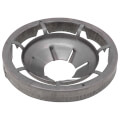

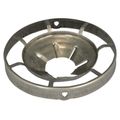
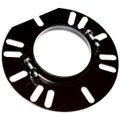
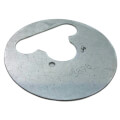

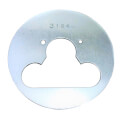
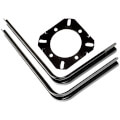
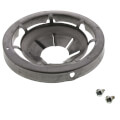


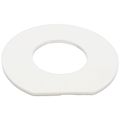
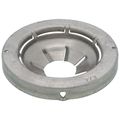
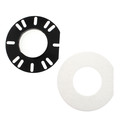
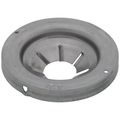
Replacement heads and static disks are core components of an oil burner's air tube assembly, working together to shape the air pattern around the nozzle and stabilize the flame at ignition. The burner head mounts at the end of the air tube and directs combustion air around the nozzle in a pattern that promotes complete fuel atomization. The static disk sits just ahead of the nozzle inside the head and creates turbulence in the airflow, which helps hold the flame steady and prevents it from lifting off the nozzle during startup and normal firing. Both parts wear from constant heat cycling and combustion byproducts, and a burner that's had a head or disk in service for years often shows signs like a lazy, unstable flame or soot buildup that's actually a symptom of head wear rather than a nozzle or ignition problem. Replacing these parts as a matched set, rather than one without the other, is standard practice on most oil burner service calls.
Subcategories
- Burner Heads (Air Tube End Cones): The head, sometimes called the end cone, bolts onto the end of the burner's air tube and shapes the combustion air pattern around the nozzle. Head diameter and pattern need to match the burner model, since a mismatched head can distort the flame shape and cause poor combustion or sooting. Wear on the head over time can change its air pattern even without a visible crack or defect.
- Static Disks / Flame Retention Rings: A static disk mounts just ahead of the nozzle and creates turbulence that stabilizes the flame and helps it hold shape during ignition and normal firing. Disk hole pattern and diameter are matched to the burner's firing rate and nozzle spray angle. A worn or incorrect static disk is a common cause of flame instability that gets mistaken for a nozzle or electrode problem.
- Electrode and Ignition Mounting Hardware: Ignition electrodes mount near the static disk and head assembly, and their gap and position relative to the nozzle spray pattern affect how reliably the burner lights. Brackets and mounting hardware position the electrodes precisely relative to the head and disk. Resetting electrode gap and position to the manufacturer's spec during a head or disk replacement is standard practice, since these parts are interdependent.
Buying Guide
Matching a replacement head and static disk to the correct burner model is the most important step in this repair, since these parts are sized and shaped specifically for each burner's air tube diameter and firing rate. Installing a head or disk from a different model, even one that appears to fit physically, can distort the combustion air pattern and cause poor flame shape, sooting, or delayed ignition.
Replacement Heads & Static Disks should generally be replaced together rather than individually, since both parts affect the same flame and wear at a similar rate from heat cycling. Replacing only one while leaving a worn counterpart in place often means the flame issue that prompted the repair doesn't fully resolve.
Nozzle specification matters just as much as the head and disk themselves. The nozzle's spray angle and pattern need to match what the head and disk are designed around, so a technician replacing these parts should confirm the nozzle spec against the burner manufacturer's combustion chart rather than reusing whatever nozzle happens to be installed.
After installation, electrode gap and position should be checked and reset to the manufacturer's specification, since a new head and disk changes the airflow around the ignition point slightly. Skipping that adjustment can leave a burner that lights inconsistently even with new combustion parts installed.
Frequently Asked Questions
Should the head and static disk always be replaced together?
Replacing both together is standard practice, since they work as a matched set shaping and stabilizing the same flame. Replacing only one part while the other is worn often leaves the original flame problem only partially resolved. Both parts also tend to wear at a similar rate from the same heat cycling, so pairing the replacement makes sense from a maintenance standpoint too.
What symptoms point to a worn head or static disk?
A lazy or unstable flame, delayed ignition, or sooting that doesn't clear up after a nozzle change often points to head or disk wear rather than an ignition or fuel problem. Visible cracking or heavy carbon buildup on the head is a clear sign it needs replacement. A combustion analysis showing poor readings despite a new nozzle is another common indicator worth checking against head and disk condition.
Can a head from one burner model fit another?
Heads are sized and shaped for a specific burner's air tube diameter and firing rate, so using one from a different model, even a close-looking one, can distort the combustion air pattern. That mismatch often shows up as poor flame shape, sooting, or trouble passing a combustion test. Confirming the exact burner model and head part number before ordering avoids this problem.
Does the nozzle need to be replaced along with the head and disk?
A nozzle replacement is usually done at the same time as a head and disk change, since all three parts work together to shape and atomize the flame. The nozzle's spray angle and pattern should match what the head and disk are designed around per the burner manufacturer's combustion chart. Reusing an old nozzle with new head and disk parts can still leave a mismatched flame pattern.
Why does electrode position need to be reset after this repair?
A new head and static disk changes the airflow pattern around the ignition point slightly compared with the worn parts being replaced. Electrode gap and position that were correct for the old parts may no longer align properly with the new components. Resetting electrodes to the manufacturer's specification after the repair supports consistent, reliable ignition.
