



Beckett Burners & Parts
Beckett burners and parts cover the complete oil-fired combustion assemblies used in residential and commercial boilers and furnaces, along with the individual components that wear out during normal service. Air tubes, combustion heads, burner motors, and electrode kits make up the bulk of the replacement parts.
Oil burner maintenance runs on a tighter service interval than gas equipment because combustion byproducts foul components faster, so keeping electrode kits and static disks on hand shortens routine tune-up visits. Matching parts to the exact burner model number avoids combustion problems from a mismatched nozzle or head.
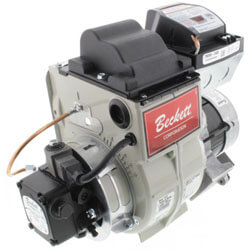

Beckett Burners are complete oil-fired combustion assemblies for use in residential and commercial boilers, furnaces, and water heaters. Beckett produces the AF, AFG, AFII, and NX burner series, each designed for specific firing rate ranges and combustion head configurations. Complete burner replacements are used when the existing burner has failed beyond economical repair or when upgrading an older burner for improved efficiency.
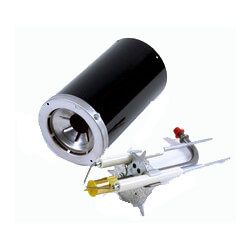
Air Tubes are the cylindrical combustion air delivery components that direct airflow from the burner motor through the combustion head and into the firebox. Air tube length and diameter must match the firebox geometry of the specific boiler or furnace being serviced. An incorrect air tube length can cause poor air-fuel mixing, carbon buildup, and reduced combustion efficiency.
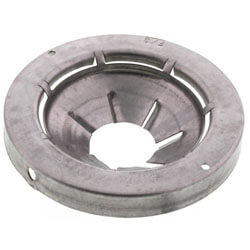
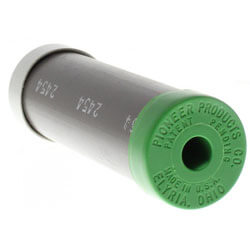
Replacement Heads and Static Disks are the combustion head components that create the air-fuel mixture pattern at the point of ignition. Static disks create turbulence in the air stream to improve fuel atomization. These components are wear items that should be inspected during annual burner service and replaced when pitting, cracking, or carbon buildup is present.
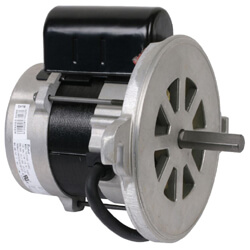
Burner Motors drive the fuel pump and combustion air blower in an oil burner assembly. The motor operates the oil pump that pressurizes fuel to the nozzle and simultaneously drives the blower wheel that supplies combustion air. Beckett burner motors must match the original motor's frame size, shaft diameter, rotation direction, and RPM.
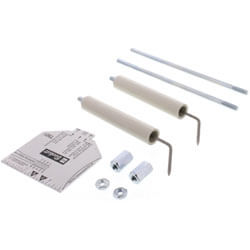
Electrode Kits contain the ignition electrodes and porcelain insulators that generate the spark arc used to ignite the oil-air mixture at startup. Electrodes erode over time from repeated ignition cycles and worn electrodes cause hard starts, misfire faults, or failure to ignite. Electrode gap and positioning must be set to the burner manufacturer's specification after installation.
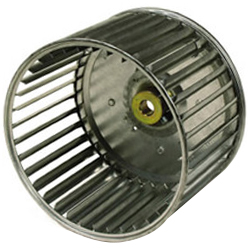
Blower Wheels are the centrifugal fan impellers that draw combustion air through the burner housing and force it into the air tube. The blower wheel is mounted directly on the burner motor shaft and must be sized to match the motor shaft diameter and the airflow requirements of the burner series. A cracked or fouled blower wheel causes combustion air delivery problems that result in poor combustion or burner lockout.
Identifying the correct Beckett burner parts begins with the burner model number, stamped on a label on the burner housing. Beckett produces multiple variants within each series with different air tube lengths, head configurations, and motor specifications, so the full model number is necessary to match replacement parts correctly.
Annual oil burner service should include replacement of the nozzle, inspection and replacement of electrodes, oil filter change, and combustion performance verification. Nozzles are inexpensive consumables that should be replaced every year regardless of condition, as worn nozzles affect the spray pattern and droplet size of the fuel.
Air tube selection is critical when replacing a complete burner or a damaged tube. The tube length must match the firebox geometry to position the combustion head at the correct distance from the back wall. The appliance manufacturer's specification for burner mounting and air tube length should be consulted when selecting a replacement.
Combustion setup after parts replacement requires a combustion analyzer and pressure gauge to verify that the burner is operating within the manufacturer's specified parameters. Oil pressure at the nozzle, combustion air settings, and stack temperature should all be verified and recorded after any major parts replacement.
How do I identify which Beckett burner model I have?
The model number is printed on a label on the burner housing, typically on the side or rear of the assembly. Common residential Beckett models include the AFG, AFII 80, AFII 150, and the NX series. If the label is missing, confirm the model from the original installation documentation or the equipment manufacturer's parts list.
How often should Beckett burner parts be serviced or replaced?
An annual service is the standard recommendation for oil-fired burners. During annual service, the nozzle should always be replaced, the electrodes inspected and replaced if eroded, the oil filter changed, and combustion performance verified with an analyzer. The motor, transformer, and blower wheel are replaced on condition rather than on a fixed schedule.
What causes a Beckett burner to lock out on safety?
Burner lockout occurs when the primary control does not detect a flame within the trial for ignition period. Common causes include worn or incorrectly gapped electrodes, a fouled nozzle, low oil pressure due to a worn pump or clogged filter, and a faulty cad cell. Air tube or head fouling with carbon deposits can also prevent reliable ignition.
Can I replace the nozzle without replacing the full electrode kit?
Yes. The nozzle and electrodes are separate components replaced independently. The nozzle is a consumable replaced every year, while electrodes are replaced when they show erosion or when ignition problems occur. When replacing the nozzle, confirm the flow rate in gallons per hour and the spray angle and pattern type match the burner's firing rate setting.
What is the correct electrode gap for a Beckett burner?
For most Beckett residential burners, electrode tips are positioned approximately 5/16 inch above the nozzle centerline, 1/2 inch ahead of the nozzle face, and gapped approximately 1/8 inch apart at the tips. These dimensions vary by model and the service manual for the specific burner series should always be consulted after electrode replacement.
Resources
Beckett Burners are complete oil-fired combustion assemblies for use in residential and commercial boilers, furnaces, and water heaters. Beckett produces the AF, AFG, AFII, and NX burner series, each designed for specific firing rate ranges and combustion head configurations. Complete burner replacements are used when the existing burner has failed beyond economical repair or when upgrading an older burner for improved efficiency.
Air Tubes are the cylindrical combustion air delivery components that direct airflow from the burner motor through the combustion head and into the firebox. Air tube length and diameter must match the firebox geometry of the specific boiler or furnace being serviced. An incorrect air tube length can cause poor air-fuel mixing, carbon buildup, and reduced combustion efficiency.
Replacement Heads and Static Disks are the combustion head components that create the air-fuel mixture pattern at the point of ignition. Static disks create turbulence in the air stream to improve fuel atomization. These components are wear items that should be inspected during annual burner service and replaced when pitting, cracking, or carbon buildup is present.
Burner Motors drive the fuel pump and combustion air blower in an oil burner assembly. The motor operates the oil pump that pressurizes fuel to the nozzle and simultaneously drives the blower wheel that supplies combustion air. Beckett burner motors must match the original motor's frame size, shaft diameter, rotation direction, and RPM.
Electrode Kits contain the ignition electrodes and porcelain insulators that generate the spark arc used to ignite the oil-air mixture at startup. Electrodes erode over time from repeated ignition cycles and worn electrodes cause hard starts, misfire faults, or failure to ignite. Electrode gap and positioning must be set to the burner manufacturer's specification after installation.
Blower Wheels are the centrifugal fan impellers that draw combustion air through the burner housing and force it into the air tube. The blower wheel is mounted directly on the burner motor shaft and must be sized to match the motor shaft diameter and the airflow requirements of the burner series. A cracked or fouled blower wheel causes combustion air delivery problems that result in poor combustion or burner lockout.
Identifying the correct Beckett burner parts begins with the burner model number, stamped on a label on the burner housing. Beckett produces multiple variants within each series with different air tube lengths, head configurations, and motor specifications, so the full model number is necessary to match replacement parts correctly.
Annual oil burner service should include replacement of the nozzle, inspection and replacement of electrodes, oil filter change, and combustion performance verification. Nozzles are inexpensive consumables that should be replaced every year regardless of condition, as worn nozzles affect the spray pattern and droplet size of the fuel.
Air tube selection is critical when replacing a complete burner or a damaged tube. The tube length must match the firebox geometry to position the combustion head at the correct distance from the back wall. The appliance manufacturer's specification for burner mounting and air tube length should be consulted when selecting a replacement.
Combustion setup after parts replacement requires a combustion analyzer and pressure gauge to verify that the burner is operating within the manufacturer's specified parameters. Oil pressure at the nozzle, combustion air settings, and stack temperature should all be verified and recorded after any major parts replacement.
How do I identify which Beckett burner model I have?
The model number is printed on a label on the burner housing, typically on the side or rear of the assembly. Common residential Beckett models include the AFG, AFII 80, AFII 150, and the NX series. If the label is missing, confirm the model from the original installation documentation or the equipment manufacturer's parts list.
How often should Beckett burner parts be serviced or replaced?
An annual service is the standard recommendation for oil-fired burners. During annual service, the nozzle should always be replaced, the electrodes inspected and replaced if eroded, the oil filter changed, and combustion performance verified with an analyzer. The motor, transformer, and blower wheel are replaced on condition rather than on a fixed schedule.
What causes a Beckett burner to lock out on safety?
Burner lockout occurs when the primary control does not detect a flame within the trial for ignition period. Common causes include worn or incorrectly gapped electrodes, a fouled nozzle, low oil pressure due to a worn pump or clogged filter, and a faulty cad cell. Air tube or head fouling with carbon deposits can also prevent reliable ignition.
Can I replace the nozzle without replacing the full electrode kit?
Yes. The nozzle and electrodes are separate components replaced independently. The nozzle is a consumable replaced every year, while electrodes are replaced when they show erosion or when ignition problems occur. When replacing the nozzle, confirm the flow rate in gallons per hour and the spray angle and pattern type match the burner's firing rate setting.
What is the correct electrode gap for a Beckett burner?
For most Beckett residential burners, electrode tips are positioned approximately 5/16 inch above the nozzle centerline, 1/2 inch ahead of the nozzle face, and gapped approximately 1/8 inch apart at the tips. These dimensions vary by model and the service manual for the specific burner series should always be consulted after electrode replacement.