




Ignitors & Burners
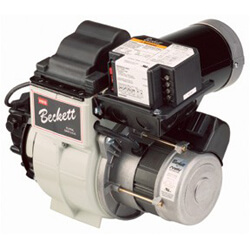
Ignitors and burners cover the components that start combustion in gas and oil heating equipment, from hot surface ignitors used in modern gas furnaces to the transformers and pilot burners found on older systems. Oil burner controls sequence the burner through its startup safety checks.
Hot surface ignitors are one of the most common furnace failure points since the ceramic element degrades with repeated heating cycles, making them a frequent stock item for service technicians. Matching ignition components to the exact burner or furnace model keeps the safety sequence operating as designed.




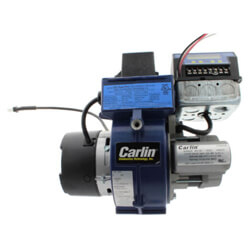

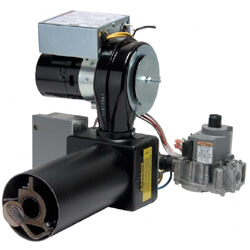
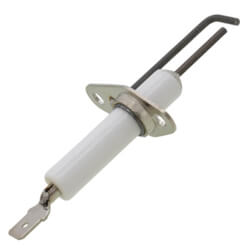

Hot Surface Ignitors are resistance-heating elements that glow to ignition temperature when energized by the furnace or boiler control board, providing direct ignition of the gas burner. Most are made from silicon carbide or silicon nitride and operate at surface temperatures exceeding 2000 degrees Fahrenheit. The replacement ignitor must match the original in resistance value, mounting configuration, and lead length.
Allanson Ignition Transformers are step-up transformers used in oil burner systems to generate the high-voltage spark required to ignite the atomized oil-air mixture at the burner head. They produce a high-frequency output typically in the range of 10,000 volts that arcs across the electrode gap. Replacement transformers must match the original's secondary voltage, current output, and physical mounting dimensions.
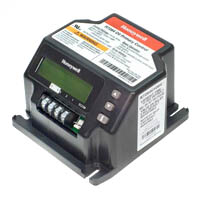
Oil Burner Controls are safety and operating controls that sequence the oil burner through its startup, ignition, and run cycle and provide lockout protection if a flame is not established within the trial-for-ignition period. The primary control energizes the ignition transformer and burner motor, monitors the cad cell for a flame signal, and locks out the burner if no flame is detected within the programmed trial period.
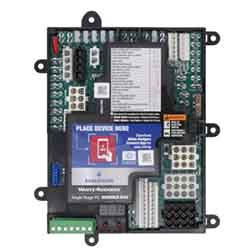
Ignition Controls & Modules are electronic control boards that manage the ignition sequence for gas heating equipment using direct spark or hot surface ignition. The ignition module receives a call for heat, opens the gas valve, energizes the ignitor, monitors the flame sensor for proof of flame, and shuts the gas valve if flame is not established within the trial-for-ignition period.
Pilot Burners are small continuous-flame assemblies used in older gas heating equipment with standing pilot ignition systems. The pilot flame serves as the ignition source for the main burner and in thermocouple-based systems generates the millivoltage signal that holds the main gas valve open. A thermocouple reading below 18 to 20 millivolts may not reliably hold the gas valve open.
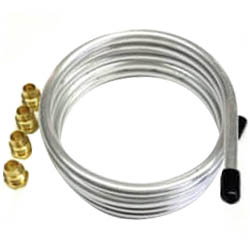
Gas and Oil Burner Accessories include the electrodes, nozzles, retention rings, blast tubes, and hardware required to service and maintain oil and gas burner assemblies. Oil burner nozzles atomize fuel oil into a fine spray pattern for efficient combustion and must be replaced annually. Electrodes must be gapped and positioned precisely relative to the nozzle and air tube to produce a reliable arc that ignites the fuel spray.
Hot surface ignitor replacement requires matching the resistance value of the original ignitor. Silicon carbide ignitors typically have a resistance of 40 to 90 ohms cold. Silicon nitride ignitors are generally in the 15 to 40 ohm range. Cross-referencing by furnace manufacturer and model number is the most reliable way to select the correct replacement ignitor.
Oil burner primary controls are selected by burner model and the type of flame detection used. Older systems use a cad cell that detects visible light from the oil flame. The trial-for-ignition timing must match or be adjustable to the original's timing. Oil burner nozzles are replaced annually by firing rate in gallons per hour, spray angle, and spray pattern type.
How do I know if my hot surface ignitor is bad?
A failed ignitor will not glow when energized. Watch it during a call for heat: it should reach a bright orange-white glow within 30 to 60 seconds. If power is present at the ignitor leads and it does not glow, the ignitor has failed open. Ignitor resistance can also be checked with an ohmmeter: a silicon carbide ignitor reading below 20 ohms or above 200 ohms should be replaced.
What causes an oil burner to go into lockout?
Lockout occurs when the primary control does not detect a flame signal within the trial-for-ignition period. Common causes include a dirty cad cell, faulty ignition transformer, misfired electrodes, plugged nozzle, low fuel supply pressure, or air in the fuel line. The lockout cause must be identified and corrected before resetting the burner. Repeated lockouts without correction can damage the heat exchanger.
Can I replace a silicon carbide ignitor with a silicon nitride ignitor?
Silicon nitride ignitors are more durable and in many cases can replace a silicon carbide ignitor if the resistance range, voltage, and mounting configuration are compatible with the equipment's control board. However, not all control boards designed for silicon carbide ignitors will work correctly with a silicon nitride ignitor. Always verify compatibility with the furnace or boiler manufacturer's service documentation before substituting materials.
How often should oil burner nozzles be replaced?
Oil burner nozzles should be replaced annually as part of a seasonal tune-up. Nozzles can partially clog with carbon and sediment deposits, changing the spray pattern and firing rate. A degraded spray pattern results in incomplete combustion, higher stack temperatures, and increased soot buildup in the heat exchanger. Annual nozzle replacement is inexpensive compared to the cost of a heat exchanger cleaning caused by soot from a degraded nozzle.
What is the trial-for-ignition period on an oil burner primary control?
The trial-for-ignition period is the amount of time the primary control allows for the burner to establish a flame before going into safety lockout. For residential oil burners, this is typically 15 to 45 seconds. If no flame signal is received within the trial period, the control locks out. A shorter trial-for-ignition period is safer because it limits the amount of unburned fuel that can accumulate in the combustion chamber during a failed startup attempt.
Resources
Hot Surface Ignitors are resistance-heating elements that glow to ignition temperature when energized by the furnace or boiler control board, providing direct ignition of the gas burner. Most are made from silicon carbide or silicon nitride and operate at surface temperatures exceeding 2000 degrees Fahrenheit. The replacement ignitor must match the original in resistance value, mounting configuration, and lead length.
Allanson Ignition Transformers are step-up transformers used in oil burner systems to generate the high-voltage spark required to ignite the atomized oil-air mixture at the burner head. They produce a high-frequency output typically in the range of 10,000 volts that arcs across the electrode gap. Replacement transformers must match the original's secondary voltage, current output, and physical mounting dimensions.
Oil Burner Controls are safety and operating controls that sequence the oil burner through its startup, ignition, and run cycle and provide lockout protection if a flame is not established within the trial-for-ignition period. The primary control energizes the ignition transformer and burner motor, monitors the cad cell for a flame signal, and locks out the burner if no flame is detected within the programmed trial period.
Ignition Controls & Modules are electronic control boards that manage the ignition sequence for gas heating equipment using direct spark or hot surface ignition. The ignition module receives a call for heat, opens the gas valve, energizes the ignitor, monitors the flame sensor for proof of flame, and shuts the gas valve if flame is not established within the trial-for-ignition period.
Pilot Burners are small continuous-flame assemblies used in older gas heating equipment with standing pilot ignition systems. The pilot flame serves as the ignition source for the main burner and in thermocouple-based systems generates the millivoltage signal that holds the main gas valve open. A thermocouple reading below 18 to 20 millivolts may not reliably hold the gas valve open.
Gas and Oil Burner Accessories include the electrodes, nozzles, retention rings, blast tubes, and hardware required to service and maintain oil and gas burner assemblies. Oil burner nozzles atomize fuel oil into a fine spray pattern for efficient combustion and must be replaced annually. Electrodes must be gapped and positioned precisely relative to the nozzle and air tube to produce a reliable arc that ignites the fuel spray.
Hot surface ignitor replacement requires matching the resistance value of the original ignitor. Silicon carbide ignitors typically have a resistance of 40 to 90 ohms cold. Silicon nitride ignitors are generally in the 15 to 40 ohm range. Cross-referencing by furnace manufacturer and model number is the most reliable way to select the correct replacement ignitor.
Oil burner primary controls are selected by burner model and the type of flame detection used. Older systems use a cad cell that detects visible light from the oil flame. The trial-for-ignition timing must match or be adjustable to the original's timing. Oil burner nozzles are replaced annually by firing rate in gallons per hour, spray angle, and spray pattern type.
How do I know if my hot surface ignitor is bad?
A failed ignitor will not glow when energized. Watch it during a call for heat: it should reach a bright orange-white glow within 30 to 60 seconds. If power is present at the ignitor leads and it does not glow, the ignitor has failed open. Ignitor resistance can also be checked with an ohmmeter: a silicon carbide ignitor reading below 20 ohms or above 200 ohms should be replaced.
What causes an oil burner to go into lockout?
Lockout occurs when the primary control does not detect a flame signal within the trial-for-ignition period. Common causes include a dirty cad cell, faulty ignition transformer, misfired electrodes, plugged nozzle, low fuel supply pressure, or air in the fuel line. The lockout cause must be identified and corrected before resetting the burner. Repeated lockouts without correction can damage the heat exchanger.
Can I replace a silicon carbide ignitor with a silicon nitride ignitor?
Silicon nitride ignitors are more durable and in many cases can replace a silicon carbide ignitor if the resistance range, voltage, and mounting configuration are compatible with the equipment's control board. However, not all control boards designed for silicon carbide ignitors will work correctly with a silicon nitride ignitor. Always verify compatibility with the furnace or boiler manufacturer's service documentation before substituting materials.
How often should oil burner nozzles be replaced?
Oil burner nozzles should be replaced annually as part of a seasonal tune-up. Nozzles can partially clog with carbon and sediment deposits, changing the spray pattern and firing rate. A degraded spray pattern results in incomplete combustion, higher stack temperatures, and increased soot buildup in the heat exchanger. Annual nozzle replacement is inexpensive compared to the cost of a heat exchanger cleaning caused by soot from a degraded nozzle.
What is the trial-for-ignition period on an oil burner primary control?
The trial-for-ignition period is the amount of time the primary control allows for the burner to establish a flame before going into safety lockout. For residential oil burners, this is typically 15 to 45 seconds. If no flame signal is received within the trial period, the control locks out. A shorter trial-for-ignition period is safer because it limits the amount of unburned fuel that can accumulate in the combustion chamber during a failed startup attempt.