




Residential Water Heaters
Residential water heaters cover tank, tankless, and specialty models sized for single-family and multi-family homes, including John Wood oil-fired water heaters built for homes without natural gas or electric service.
Choosing a water heater fuel type often comes down to what is already available at the property, since an oil-fired model like John Wood's lineup fits homes already using oil heat. Matching tank capacity to household size and peak hot water demand keeps a residential system from running short during heavy use periods.

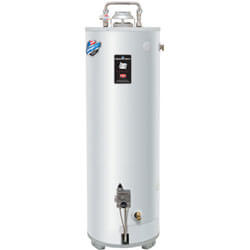
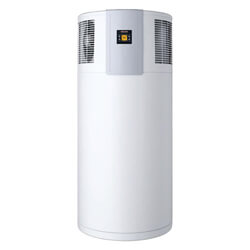
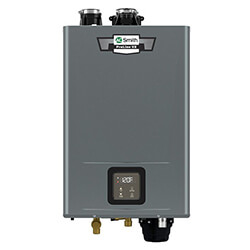
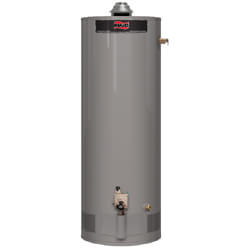

Subcategories
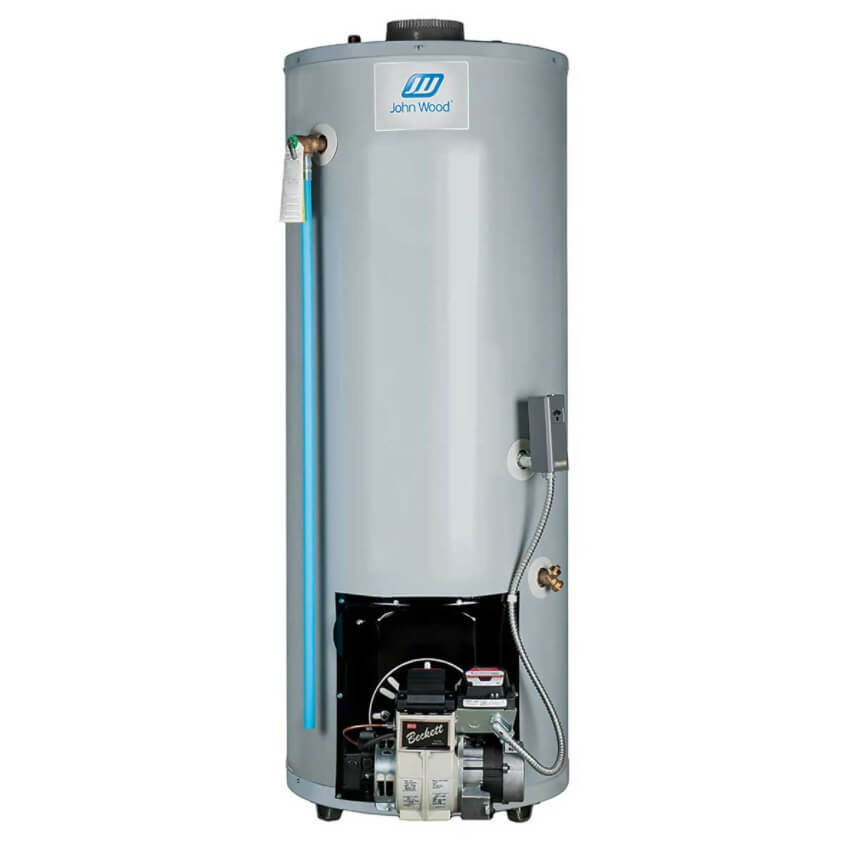
- John Wood Oil Water Heaters: John Wood oil-fired water heaters come in residential tank sizes such as 30, 32, and 50 gallon capacities, offered in both rear-flue and center-flue configurations to match different chimney and venting layouts. Contractors serving areas where oil heat is already standard, including much of the Northeast, use these models as direct replacements that fit into an existing oil-fired system without changing the fuel source or venting path already in place.
Buying Guide
Fuel type is the starting point for any water heater replacement, and matching the existing fuel source avoids the added cost and complexity of new gas piping, electrical service, or venting that a fuel switch requires.
Tank capacity should be sized to household demand, factoring in the number of bathrooms, appliances pulling hot water, and peak simultaneous use rather than just the number of occupants.
Recovery rate matters as much as tank size for households that run through hot water quickly, since a larger tank with a slow recovery rate can still run out during back-to-back showers or laundry and dishwasher cycles.
Venting configuration has to match what's already in place on a direct replacement job. An oil-fired unit built for rear-flue venting won't drop into a center-flue installation without reworking the flue connection, so confirming the existing configuration before ordering saves a return trip.
Combustion equipment on an oil-fired heater, including the burner, needs periodic service to keep efficiency and safety in check, so it's worth confirming during replacement whether the existing burner is being reused or replaced along with the tank.
Frequently Asked Questions
What's the difference between rear-flue and center-flue oil water heaters?
A rear-flue oil water heater vents out the back of the tank, while a center-flue model vents up through the middle of the tank and out the top. Replacement units need to match whichever configuration the existing chimney or vent connection was built for, since the two aren't interchangeable without reworking the venting.
How long do oil-fired water heaters typically last?
Oil-fired tank water heaters generally last 10 to 15 years with regular burner maintenance, similar to gas-fired tank units, though tank life depends heavily on water quality and how often the anode rod and burner get serviced. Signs like rust-colored water, popping sounds, or a tank leaking at the base mean replacement rather than repair.
Can an oil water heater be replaced with a gas or electric model?
Switching fuel types is possible but requires new infrastructure, whether that's gas piping and venting for a gas unit or dedicated electrical circuits for an electric model, on top of removing the oil tank and lines if they aren't already shared with a furnace or boiler. Sticking with the existing fuel type is usually the faster and simpler replacement path when the infrastructure is already in place.
What size oil water heater is needed for a typical household?
A household with one or two bathrooms generally does fine with a 30 to 40 gallon tank, while larger households with three or more bathrooms or high-demand fixtures often need 50 gallons or more. Recovery rate should be checked alongside tank size, since a larger family with back-to-back hot water draws needs both capacity and recovery speed.
Does an oil water heater share a tank with a boiler or furnace?
Some oil-fired systems use an indirect tank heated by a boiler rather than a standalone oil water heater with its own burner, while others run a dedicated water heater independent of the space heating system. Confirming which setup is in place before ordering a replacement avoids buying a standalone unit for a system that actually needs an indirect tank, or vice versa.
Resources
Subcategories
- John Wood Oil Water Heaters: John Wood oil-fired water heaters come in residential tank sizes such as 30, 32, and 50 gallon capacities, offered in both rear-flue and center-flue configurations to match different chimney and venting layouts. Contractors serving areas where oil heat is already standard, including much of the Northeast, use these models as direct replacements that fit into an existing oil-fired system without changing the fuel source or venting path already in place.
Buying Guide
Fuel type is the starting point for any water heater replacement, and matching the existing fuel source avoids the added cost and complexity of new gas piping, electrical service, or venting that a fuel switch requires.
Tank capacity should be sized to household demand, factoring in the number of bathrooms, appliances pulling hot water, and peak simultaneous use rather than just the number of occupants.
Recovery rate matters as much as tank size for households that run through hot water quickly, since a larger tank with a slow recovery rate can still run out during back-to-back showers or laundry and dishwasher cycles.
Venting configuration has to match what's already in place on a direct replacement job. An oil-fired unit built for rear-flue venting won't drop into a center-flue installation without reworking the flue connection, so confirming the existing configuration before ordering saves a return trip.
Combustion equipment on an oil-fired heater, including the burner, needs periodic service to keep efficiency and safety in check, so it's worth confirming during replacement whether the existing burner is being reused or replaced along with the tank.
Frequently Asked Questions
What's the difference between rear-flue and center-flue oil water heaters?
A rear-flue oil water heater vents out the back of the tank, while a center-flue model vents up through the middle of the tank and out the top. Replacement units need to match whichever configuration the existing chimney or vent connection was built for, since the two aren't interchangeable without reworking the venting.
How long do oil-fired water heaters typically last?
Oil-fired tank water heaters generally last 10 to 15 years with regular burner maintenance, similar to gas-fired tank units, though tank life depends heavily on water quality and how often the anode rod and burner get serviced. Signs like rust-colored water, popping sounds, or a tank leaking at the base mean replacement rather than repair.
Can an oil water heater be replaced with a gas or electric model?
Switching fuel types is possible but requires new infrastructure, whether that's gas piping and venting for a gas unit or dedicated electrical circuits for an electric model, on top of removing the oil tank and lines if they aren't already shared with a furnace or boiler. Sticking with the existing fuel type is usually the faster and simpler replacement path when the infrastructure is already in place.
What size oil water heater is needed for a typical household?
A household with one or two bathrooms generally does fine with a 30 to 40 gallon tank, while larger households with three or more bathrooms or high-demand fixtures often need 50 gallons or more. Recovery rate should be checked alongside tank size, since a larger family with back-to-back hot water draws needs both capacity and recovery speed.
Does an oil water heater share a tank with a boiler or furnace?
Some oil-fired systems use an indirect tank heated by a boiler rather than a standalone oil water heater with its own burner, while others run a dedicated water heater independent of the space heating system. Confirming which setup is in place before ordering a replacement avoids buying a standalone unit for a system that actually needs an indirect tank, or vice versa.