




Retrieving Tools

 --%3E %3Csvg version='1.1' id='Fill' xmlns='http://www.w3.org/2000/svg' xmlns:xlink='http://www.w3.org/1999/xlink' x='0px' y='0px' viewBox='0 0 100 100' enable-background='new 0 0 100 100' xml:space='preserve'%3E %3Cpath fill='%23F15C02' d='M79.44,0.95H20.56C9.78,0.95,0.95,9.78,0.95,20.56v58.87c0,10.79,8.82,19.61,19.61,19.61h58.87 c10.79,0,19.61-8.83,19.61-19.61V20.56C99.05,9.78,90.22,0.95,79.44,0.95z M65.38,58.24l9.38,29.58L49.69,69.78L24.5,87.82 l9.34-29.6L8.8,39.6l30.73-0.17c0,0,6.98-19.61,10-28.93c0.54,1.36,9.88,29.1,9.88,29.1H91.2L65.38,58.24z'/%3E %3C/svg%3E)
 --%3E %3Csvg version='1.1' id='With-RB' xmlns='http://www.w3.org/2000/svg' xmlns:xlink='http://www.w3.org/1999/xlink' x='0px' y='0px' viewBox='0 0 100 100' enable-background='new 0 0 100 100' xml:space='preserve'%3E %3Cpath fill='%23FBC8B4' d='M79.44,0.95H20.56C9.78,0.95,0.95,9.78,0.95,20.56v58.87c0,10.79,8.82,19.61,19.61,19.61h58.87 c10.79,0,19.61-8.83,19.61-19.61V20.56C99.05,9.78,90.22,0.95,79.44,0.95z M65.38,58.24l9.38,29.58L49.69,69.78L24.5,87.82 l9.34-29.6L8.8,39.6l30.73-0.17c0,0,6.98-19.61,10-28.93c0.54,1.36,9.88,29.1,9.88,29.1H91.2L65.38,58.24z'/%3E %3C/svg%3E)

 --%3E %3Csvg version='1.1' id='No-RB' xmlns='http://www.w3.org/2000/svg' xmlns:xlink='http://www.w3.org/1999/xlink' x='0px' y='0px' viewBox='0 0 100 100' enable-background='new 0 0 100 100' xml:space='preserve'%3E %3Cpath fill='%23CECECE' d='M79.44,0.95H20.56C9.78,0.95,0.95,9.78,0.95,20.56v58.87c0,10.79,8.82,19.61,19.61,19.61h58.87 c10.79,0,19.61-8.83,19.61-19.61V20.56C99.05,9.78,90.22,0.95,79.44,0.95z M65.38,58.24l9.38,29.58L49.69,69.78L24.5,87.82 l9.34-29.6L8.8,39.6l30.73-0.17c0,0,6.98-19.61,10-28.93c0.54,1.36,9.88,29.1,9.88,29.1H91.2L65.38,58.24z'/%3E %3C/svg%3E)
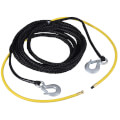
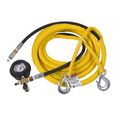

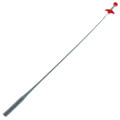
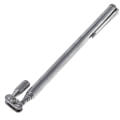
Retrieving Tools are pipe grabbers, taper taps, and magnetic fishing tools that pull broken drop pipe, cable, and dropped pumps out of a well casing without pulling the entire casing or drilling a new well. Tools like The Fetch work by dropping down the casing on a cable until internal dogs engage the pipe, then gripping tighter as pulling force is applied, with roughly 200 to 300 pounds of force needed to fully set the grip before the retrieval pull begins. Because these tools need to align themselves with the pipe inside the casing as they descend, casing diameter and pipe size both factor into which tool fits a given well. A dropped pump or a corroded, disconnected joint of drop pipe is a common failure point in older wells, and losing that pipe down the casing turns a simple pump swap into a much bigger job without the right tool on hand. Carrying a retrieval tool sized for the wells worked on regularly saves a service call from turning into an emergency re-drill.
Subcategories
- Pipe and Pump Grabbers: Pipe and pump grabbers use internal dogs or jaws that close around a dropped pipe or pump body as pulling force is applied from the surface. The Fetch tool, for example, needs the dogs to engage the pipe fully, requiring roughly 200 to 300 pounds of pull, before the retrieval grip holds. Contractors drop the tool down the casing on a cable, letting it align itself against the casing sidewalls as it descends toward the dropped pipe. This style of tool is built for retrieving galvanized steel or poly drop pipe that has separated from a joint above.
- Fishing Tools and Taps: Fishing tools and taper taps thread into or grip the inside of a dropped pipe rather than closing around its outside diameter. A viable joint of accessible galvanized steel drop pipe gives a taper tap something to bite into as it's driven and turned. Contractors reach for a tap-style tool when a grabber-style tool can't get a clean grip on the exposed end of the dropped pipe. Choosing between a tap and a grabber depends largely on the pipe material and condition at the break point.
- Magnetic Retrieval Tools: Magnetic retrieval tools pull smaller metal objects, like tools, fasteners, or wire, out of a well casing rather than full sections of pipe. A junk magnet drops down the casing on a cable and picks up ferrous debris that a grabber or tap tool isn't designed to handle. Contractors keep a magnetic tool on hand for the smaller drops that happen during a routine pump service. Recovering small dropped items this way avoids leaving debris in the casing that could damage a pump on reinstall.
Buying Guide
Matching a retrieving tool to the job starts with knowing the well casing diameter and the size of the pipe or pump that needs to come out, since a tool has to align itself against the casing sidewalls as it descends and needs enough clearance to reach the dropped pipe. Pipe material matters just as much as size. Galvanized steel drop pipe gives a taper tap something solid to bite into, while poly or flexible pipe usually calls for a grabber-style tool that closes around the outside diameter instead of threading into the pipe wall. Depth to the dropped item affects cable length and the amount of pulling force available at the surface, so confirming depth before choosing a tool avoids arriving on site without enough cable or a strong enough winch or hoist. Grip mechanism is worth understanding before buying Retrieving Tools, since grabber-style tools typically need enough pulling force, sometimes 200 to 300 pounds, to fully engage the internal dogs before the retrieval pull can begin, and a tool rated for less force than the job requires won't set its grip reliably. Smaller dropped items, like tools or fasteners lost during a service call, usually call for a magnetic retrieval tool rather than a full grabber, since a magnet gets to the item faster and doesn't risk further damage to pipe still in place. Keeping more than one retrieval style on the truck covers the range of drop scenarios a contractor runs into.
Frequently Asked Questions
What's the difference between a pipe grabber and a taper tap?
A pipe grabber closes internal dogs or jaws around the outside of a dropped pipe or pump as pulling force is applied, while a taper tap threads into and grips the inside of an accessible pipe end. Grabbers work well on poly or flexible drop pipe that a tap can't bite into. Taper taps are traditionally used on galvanized steel drop pipe where a viable joint is accessible for the tap to engage. Choosing between the two comes down to the pipe material and the condition of the break point.
How much force does it take to set a well pipe grabber?
Grabber-style tools like The Fetch need the internal dogs to fully engage the dropped pipe before the retrieval grip holds, and that typically takes roughly 200 to 300 pounds of pulling force. Applying less force than that risks the dogs slipping instead of locking onto the pipe. Contractors test the tool on a scrap section of comparable pipe before sending it down the actual well. Confirming the winch or hoist on site can generate enough force is worth checking before the retrieval attempt.
Can a retrieving tool damage the well casing?
A retrieving tool is designed to drop freely along the casing sidewalls and align itself with the pipe rather than gripping or scraping the casing itself. Choosing a tool sized correctly for the casing diameter keeps it centered as it descends instead of dragging against the casing wall. Testing the tool's fit against a comparable section of pipe and casing before the actual retrieval reduces the risk of a snag. Well contractors generally consider grabber and tap style tools low risk to casing when sized correctly.
What can be retrieved with a magnetic tool versus a grabber?
Magnetic retrieval tools are built for smaller ferrous objects, like dropped tools, fasteners, or sections of wire, rather than full lengths of pipe or an entire pump. Grabber-style tools handle the larger job of pulling broken drop pipe or a dropped pump assembly back to the surface. Keeping both types on hand covers the full range of items that can end up down a well casing during service work. Choosing the wrong tool type for the size of the dropped item usually means a failed retrieval attempt and a second trip down the casing.
How do I know what size retrieving tool fits my well?
Casing diameter is the starting measurement for sizing any retrieving tool, since the tool needs enough clearance to descend freely and align itself against the pipe. Pipe or pump diameter at the break point is the second measurement to confirm, since a grabber tool needs to close fully around that diameter to set its grip. Checking well records or measuring the casing directly before ordering a tool avoids a mismatch discovered on site. Testing the tool against a scrap section of comparable pipe before the actual job confirms fit ahead of time.
