




Filters
SORT
Product Availability –
Horse Power –
Voltage –
Review Score –
 --%3E %3Csvg version='1.1' id='Fill' xmlns='http://www.w3.org/2000/svg' xmlns:xlink='http://www.w3.org/1999/xlink' x='0px' y='0px' viewBox='0 0 100 100' enable-background='new 0 0 100 100' xml:space='preserve'%3E %3Cpath fill='%23F15C02' d='M79.44,0.95H20.56C9.78,0.95,0.95,9.78,0.95,20.56v58.87c0,10.79,8.82,19.61,19.61,19.61h58.87 c10.79,0,19.61-8.83,19.61-19.61V20.56C99.05,9.78,90.22,0.95,79.44,0.95z M65.38,58.24l9.38,29.58L49.69,69.78L24.5,87.82 l9.34-29.6L8.8,39.6l30.73-0.17c0,0,6.98-19.61,10-28.93c0.54,1.36,9.88,29.1,9.88,29.1H91.2L65.38,58.24z'/%3E %3C/svg%3E)
 --%3E %3Csvg version='1.1' id='With-RB' xmlns='http://www.w3.org/2000/svg' xmlns:xlink='http://www.w3.org/1999/xlink' x='0px' y='0px' viewBox='0 0 100 100' enable-background='new 0 0 100 100' xml:space='preserve'%3E %3Cpath fill='%23FBC8B4' d='M79.44,0.95H20.56C9.78,0.95,0.95,9.78,0.95,20.56v58.87c0,10.79,8.82,19.61,19.61,19.61h58.87 c10.79,0,19.61-8.83,19.61-19.61V20.56C99.05,9.78,90.22,0.95,79.44,0.95z M65.38,58.24l9.38,29.58L49.69,69.78L24.5,87.82 l9.34-29.6L8.8,39.6l30.73-0.17c0,0,6.98-19.61,10-28.93c0.54,1.36,9.88,29.1,9.88,29.1H91.2L65.38,58.24z'/%3E %3C/svg%3E)
Price Range –
Motors


 --%3E %3Csvg version='1.1' id='No-RB' xmlns='http://www.w3.org/2000/svg' xmlns:xlink='http://www.w3.org/1999/xlink' x='0px' y='0px' viewBox='0 0 100 100' enable-background='new 0 0 100 100' xml:space='preserve'%3E %3Cpath fill='%23CECECE' d='M79.44,0.95H20.56C9.78,0.95,0.95,9.78,0.95,20.56v58.87c0,10.79,8.82,19.61,19.61,19.61h58.87 c10.79,0,19.61-8.83,19.61-19.61V20.56C99.05,9.78,90.22,0.95,79.44,0.95z M65.38,58.24l9.38,29.58L49.69,69.78L24.5,87.82 l9.34-29.6L8.8,39.6l30.73-0.17c0,0,6.98-19.61,10-28.93c0.54,1.36,9.88,29.1,9.88,29.1H91.2L65.38,58.24z'/%3E %3C/svg%3E)
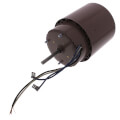

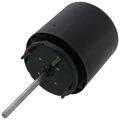
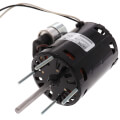
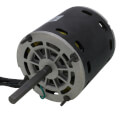
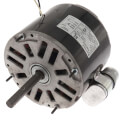
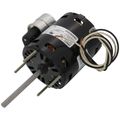
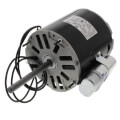
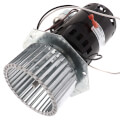
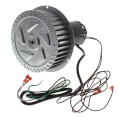
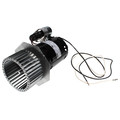
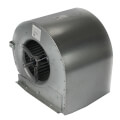
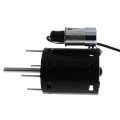
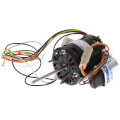
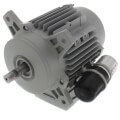

Motors in this category are replacement blower and circulator motors built for Reznor gas-fired unit heaters, used to move combustion air or circulate warm air through the unit's heat exchanger and out into the space being heated. A technician replaces one of these motors when the original fails to start, runs noisy or off-balance, or draws excessive current, since a worn motor bearing or winding fault typically isn't something that can be field-repaired.
Matching the replacement motor's horsepower, voltage, and mounting configuration to the specific Reznor unit heater model keeps airflow and combustion performance consistent with the equipment's original design. Getting this match right the first time avoids a callback for a motor that runs but doesn't move enough air.
Subcategories
- Blower Motors: Blower motors move heated air across the unit heater's heat exchanger and out through the discharge louvers. Technicians replace these when a unit heater runs but produces weak or uneven airflow, or when the motor fails to start.
- Combustion Air Motors: Power-vented and direct-vent unit heaters use a dedicated combustion air motor to pull or push flue gases through the venting system. A failed combustion air motor often triggers a safety lockout on the ignition control.
- Single-Phase Motors: Most residential and light commercial Reznor unit heaters run on single-phase motors sized for standard building electrical service. These are the most commonly replaced motor type in smaller installations.
- Three-Phase Motors: Larger commercial and industrial unit heater installations sometimes specify three-phase motors for higher horsepower requirements. Electricians should confirm the building's available electrical service before ordering a three-phase replacement.
Buying Guide
Selecting the correct replacement from this Motors category starts with confirming the exact Reznor unit heater model and its original motor's horsepower and voltage rating, since installing an undersized motor can restrict airflow and cause the heat exchanger to overheat.
Shaft size, rotation direction, and mounting bracket configuration all need to match the original motor, because a mismatch in any of these means the replacement won't seat correctly in the unit heater's housing even if the electrical rating is otherwise correct.
Confirm whether the application calls for a single-phase or three-phase motor based on the building's available electrical service. Three-phase motors generally aren't a direct swap for single-phase units without also changing the wiring and starting components.
For power-vented models, check that a replacement combustion air motor matches the original's static pressure rating, since venting performance depends on the motor moving the correct volume of flue gas through the specific vent run length and configuration.
Finally, confirm the motor's thermal overload protection and bearing type match the original specification, since these features affect how the motor handles continuous-duty cycling in a commercial heating application.
Frequently Asked Questions
How do I know if my unit heater's motor needs replacing?
Signs include the motor failing to start, running noisy or vibrating excessively, tripping a breaker or overload, or producing noticeably weaker airflow than when the unit was new. A qualified technician should confirm the diagnosis before ordering a replacement.
Can I use a three-phase motor in place of a single-phase motor?
No, not without also changing the electrical service and control wiring feeding the unit heater. Single-phase and three-phase motors require different electrical infrastructure and generally aren't interchangeable in the field.
Do I need to replace the combustion air motor and blower motor together?
Not necessarily. These are typically separate components with independent failure points, so a technician usually only replaces the specific motor that has failed unless both show signs of wear.
What happens if I install an undersized replacement motor?
An undersized motor may not move enough air across the heat exchanger, which can cause the unit to overheat, trip a high-limit safety switch, or run inefficiently.
Should I match the exact original part number?
Matching the original manufacturer's part number, or using a documented cross-reference, is the most reliable way to confirm the replacement motor fits the housing and meets the unit's electrical and airflow requirements.
