



Rheem Tankless Water Heater Parts


 --%3E %3Csvg version='1.1' id='No-RB' xmlns='http://www.w3.org/2000/svg' xmlns:xlink='http://www.w3.org/1999/xlink' x='0px' y='0px' viewBox='0 0 100 100' enable-background='new 0 0 100 100' xml:space='preserve'%3E %3Cpath fill='%23CECECE' d='M79.44,0.95H20.56C9.78,0.95,0.95,9.78,0.95,20.56v58.87c0,10.79,8.82,19.61,19.61,19.61h58.87 c10.79,0,19.61-8.83,19.61-19.61V20.56C99.05,9.78,90.22,0.95,79.44,0.95z M65.38,58.24l9.38,29.58L49.69,69.78L24.5,87.82 l9.34-29.6L8.8,39.6l30.73-0.17c0,0,6.98-19.61,10-28.93c0.54,1.36,9.88,29.1,9.88,29.1H91.2L65.38,58.24z'/%3E %3C/svg%3E)
 --%3E %3Csvg version='1.1' id='Fill' xmlns='http://www.w3.org/2000/svg' xmlns:xlink='http://www.w3.org/1999/xlink' x='0px' y='0px' viewBox='0 0 100 100' enable-background='new 0 0 100 100' xml:space='preserve'%3E %3Cpath fill='%23F15C02' d='M79.44,0.95H20.56C9.78,0.95,0.95,9.78,0.95,20.56v58.87c0,10.79,8.82,19.61,19.61,19.61h58.87 c10.79,0,19.61-8.83,19.61-19.61V20.56C99.05,9.78,90.22,0.95,79.44,0.95z M65.38,58.24l9.38,29.58L49.69,69.78L24.5,87.82 l9.34-29.6L8.8,39.6l30.73-0.17c0,0,6.98-19.61,10-28.93c0.54,1.36,9.88,29.1,9.88,29.1H91.2L65.38,58.24z'/%3E %3C/svg%3E)

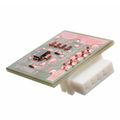
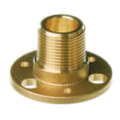
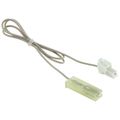
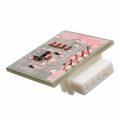
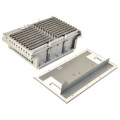
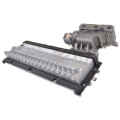

Rheem Tankless Water Heater Parts covers the components used to service Rheem's electric and gas tankless water heater lineup, including heat exchangers, igniters, flow sensors, and venting hardware. Rheem's electric Professional Classic Series covers flow rates from 0.8 to 4.3 GPM, while the gas IKONIC condensing series reaches 8.4 to 11.2 GPM and the non-condensing RTG series tops out around 9.5 GPM. Because gas and electric tankless models use different heating methods, the parts that fail and the diagnostic steps that follow differ significantly between the two families. A unit that fails to reach set temperature, short-cycles, or throws an error code typically points to one of a small handful of components: the heat exchanger, the igniter or flame sensor, the flow sensor, or the control board that manages them.
Subcategories
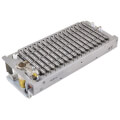
- Heat Exchangers: The heat exchanger transfers heat from the gas burner or electric elements to the water passing through the unit, and it's the most expensive single component in most tankless water heaters. Rheem's gas condensing models carry a 15-year heat exchanger warranty, reflecting how central this component is to the unit's expected service life. Scale buildup from hard water is the most common cause of reduced heat exchanger performance over time.
- Igniters and Flame Sensors: On gas tankless models, the igniter starts the burner and the flame sensor confirms it stayed lit, shutting off gas flow if the flame doesn't establish or drops out. A unit that tries to ignite repeatedly, then locks out with an error code, commonly has a failed igniter, a dirty flame sensor, or a venting or gas supply problem upstream of the burner itself.
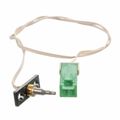
- Flow Sensors: The flow sensor detects when water is moving through the unit and signals the control board to begin heating, which is why a failed flow sensor often causes a unit to deliver only cold water even though gas and power are present. Electric models rely on the same basic principle, using flow detection to activate the heating elements once demand is confirmed.
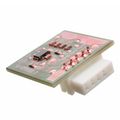
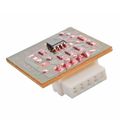
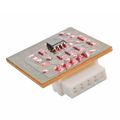
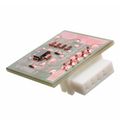
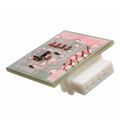
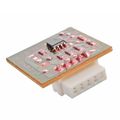
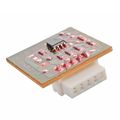
- Control Boards: The control board manages ignition sequencing, temperature regulation, and diagnostic error codes across the whole unit, and Rheem's EcoNet-equipped models add Wi-Fi connectivity for remote monitoring on top of these core functions. A board fault often displays as a specific error code, and matching that code to the manufacturer's chart is the fastest way to narrow down whether the board or a connected sensor is the actual failure point.
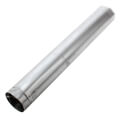
- Venting Components: Gas tankless water heaters vent differently than tank-style heaters, and Rheem's condensing IKONIC models use different venting materials and configurations than the non-condensing RTG series because condensing units extract more heat from the exhaust, dropping flue gas temperature enough to change the required vent material. Confirming vent type, diameter, and maximum length against the specific model before replacement avoids code and performance issues.
Buying Guide
Start with the unit's displayed error code rather than guessing at a failed part. Rheem's tankless control boards report specific codes for ignition failure, flow problems, and overheat conditions, and matching the code to the model's diagnostic chart narrows the likely failure point before a part is ordered.
Confirm whether the unit is gas or electric, and if gas, whether it's a condensing (IKONIC) or non-condensing (RTG) model, since heat exchanger design, venting requirements, and flow ratings differ across these families. Rheem Tankless Water Heater Parts spans components for the electric Professional Classic Series, rated from 0.8 to 4.3 GPM, up through the gas IKONIC series, rated up to 11.2 GPM.
Check for scale buildup before replacing a heat exchanger outright, particularly in hard water areas, since reduced flow and heating performance often trace back to mineral buildup rather than a failed component. Flushing procedures recommended by the manufacturer can restore performance without a parts purchase.
When ordering igniters, flame sensors, or flow sensors, verify compatibility against the model and serial number rather than assuming parts are shared across the full tankless lineup. Rheem's gas and electric platforms use different control logic and connector types, and a part that looks physically similar to the original can still be electrically incompatible.
Frequently Asked Questions
What's the difference between condensing and non-condensing gas tankless models?
Condensing models, like Rheem's IKONIC series, extract additional heat from the exhaust before venting, which lowers flue gas temperature enough to require different venting materials than a non-condensing model like the RTG series. Condensing models also tend to reach higher flow rates, with IKONIC units rated up to 11.2 GPM compared to about 9.5 GPM for the RTG series.
Why would a tankless water heater deliver only cold water?
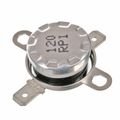
A failed flow sensor is a common cause, since the unit relies on detecting water flow to trigger heating. Ignition failure on gas models or a tripped high-limit switch can produce the same symptom, so checking the displayed error code narrows down the cause before parts are ordered.
How does scale buildup affect a tankless water heater's heat exchanger?
Mineral scale from hard water coats the inside of the heat exchanger over time, reducing how efficiently it transfers heat to the water passing through. The buildup often shows up first as reduced flow or inconsistent temperature rather than a complete failure, and manufacturer-recommended flushing can restore performance in many cases.
What does Rheem's Hot Start Programming feature do?
Hot Start Programming is designed to minimize the burst of cold water that can occur when a tankless unit starts up, helping maintain more consistent output temperature during activation. It's a feature built into the control logic on applicable Rheem tankless models rather than a separate replaceable part.
How long is the heat exchanger warranty on Rheem's gas tankless models?
Rheem's gas tankless water heaters carry a 15-year heat exchanger warranty, reflecting how central that component is to the unit's expected service life. Parts coverage and labor coverage terms are typically shorter and should be confirmed against the specific model and installation date.
