



Soldering Supplies
Soldering supplies cover the filler metal, flux, and supporting tools plumbers and HVAC technicians use to join copper pipe and fittings by soldering or brazing. The category spans solder and flux for potable water and drain lines, along with brazing rods for refrigerant and gas piping.
Flux prepares copper surfaces for solder by removing microscopic oxidation, and using the correct flux type for the application keeps the joint from failing prematurely. Nitrogen purge tools and regulators protect refrigerant and gas lines from internal oxidation scale forming during the brazing process.

Subcategories
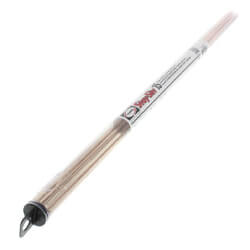
- Brazing Rods: Brazing rods are the filler metal used on refrigerant lines, gas piping, and other joints that need more strength than a soldered connection provides. Phosphorus-copper-silver alloys, such as Harris Stay-Silv rods, are a standard choice for copper-to-copper HVAC and refrigeration brazing and do not require flux on copper-to-copper joints.
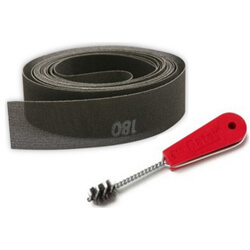
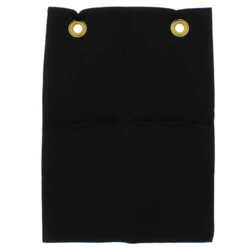
- Brushes and Grit Cloth: Wire brushes and grit cloth clean the oxidation and mill scale off copper tube and fittings before soldering or brazing, since filler metal will not bond properly to a dirty or oxidized surface. A properly cleaned joint should show bright, shiny copper with no dark spots before flux goes on.
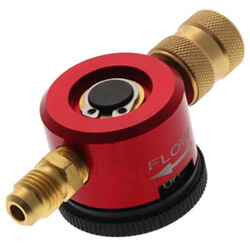
- Nitrogen Purge Tools: Nitrogen purge tools, including purge fittings, hoses, and flow restrictors, route inert nitrogen gas through copper tubing during brazing to keep oxygen out of the pipe. Flowing nitrogen through the line while brazing prevents the black oxide scale that forms when a heated, oxygen-filled pipe interior reacts with the copper, a step that matters more with modern POE refrigerant oils that can scrub loose scale into the system.
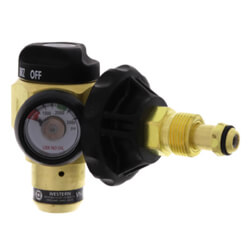
- Nitrogen Regulators: Nitrogen regulators step down the high pressure in a nitrogen cylinder to a safe, controllable flow rate for purging or pressure testing. A regulator with a low-flow gauge makes it easier to hold the steady, low volume purge rate a brazing job calls for without overpressurizing the line.
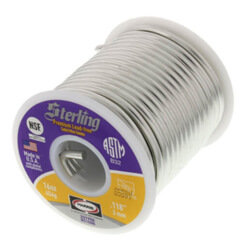
- Solder: Solder is the lower-temperature filler metal used for potable water and drain, waste, and vent joints on copper pipe. Lead-free solder alloys are required on any joint carrying drinking water, and choosing the correct solder diameter and alloy for the pipe size keeps a joint from starving for filler or wasting material.
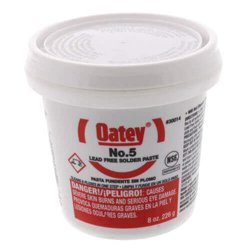
- Soldering Paste & Liquid Flux: Flux prepares copper surfaces for solder by removing microscopic oxidation and helping molten solder flow evenly into the joint by capillary action. Paste flux works well for vertical and overhead joints where a liquid would run off before the joint heats up, while liquid flux applies quickly on horizontal runs with a lot of joints to make.
Buying Guide
Whether the job calls for soldering or brazing determines almost every other purchase in this category. Potable water and drain lines call for solder and flux rated for the pipe material and code requirements, while refrigerant lines and gas piping call for brazing rod, flux where required, and nitrogen purge equipment.
Brazing rod selection depends on the base metals being joined and whether flux is needed. Copper-to-copper joints with a phosphorus-copper-silver rod do not need flux, but copper-to-brass or copper-to-steel joints do, so keeping both flux and a no-flux-required rod on the truck covers most field situations.
Nitrogen purge equipment pays for itself on refrigerant line work, since a technician who skips the purge step risks scale breaking loose downstream and damaging a compressor, TXV, or filter drier months after the installation. A basic regulator, purge fitting, and flow restrictor add little cost to a brazing job compared with a compressor failure claim.
Solder and flux selection for potable water work is largely dictated by plumbing code, which in most jurisdictions requires lead-free solder alloys on any line carrying drinking water. Stocking a code-compliant solder as the default for water work avoids the risk of grabbing the wrong roll on a job that gets inspected.
Cleaning tools are easy to overlook but drive joint quality more than any other single factor. A worn wire brush or grit cloth that no longer cuts through oxidation leaves a dull surface that solder or brazing filler will not properly bond to, so replacing cleaning tools regularly is cheaper than reworking a failed joint.
Frequently Asked Questions
What is the difference between soldering and brazing copper pipe?
Soldering uses filler metal that melts at a lower temperature and works for potable water and drain lines, while brazing uses filler metal that melts at a much higher temperature and produces a stronger joint suited to refrigerant lines and gas piping.
Is flux needed for brazing copper-to-copper joints?
Phosphorus-copper-silver brazing rods do not require flux when joining copper to copper, since the phosphorus in the alloy acts as its own fluxing agent, but flux is still needed when brazing copper to brass or steel.
Why is nitrogen purging necessary when brazing refrigerant lines?
Heating copper tubing without a nitrogen purge lets oxygen inside the pipe react with the hot copper and form black oxide scale, which can break loose later and damage compressors, expansion valves, and filter driers, so purging with nitrogen during brazing keeps the inside of the line clean.
Can regular solder be used on drinking water lines?
Only lead-free solder alloys are approved for potable water joints under current plumbing codes, so any solder used on a drinking water line needs to be labeled lead-free rather than the older lead-tin solders used for non-potable applications.
What flow rate should nitrogen be set to when purging a line for brazing?
A low, steady flow protects the joint best. Too little nitrogen fails to displace the oxygen inside the pipe, and too much creates back pressure that can blow holes in the molten filler metal, so a regulator that can dial in a gentle, continuous flow works best for purging during brazing.
Resources
Subcategories
- Brazing Rods: Brazing rods are the filler metal used on refrigerant lines, gas piping, and other joints that need more strength than a soldered connection provides. Phosphorus-copper-silver alloys, such as Harris Stay-Silv rods, are a standard choice for copper-to-copper HVAC and refrigeration brazing and do not require flux on copper-to-copper joints.
- Brushes and Grit Cloth: Wire brushes and grit cloth clean the oxidation and mill scale off copper tube and fittings before soldering or brazing, since filler metal will not bond properly to a dirty or oxidized surface. A properly cleaned joint should show bright, shiny copper with no dark spots before flux goes on.
- Nitrogen Purge Tools: Nitrogen purge tools, including purge fittings, hoses, and flow restrictors, route inert nitrogen gas through copper tubing during brazing to keep oxygen out of the pipe. Flowing nitrogen through the line while brazing prevents the black oxide scale that forms when a heated, oxygen-filled pipe interior reacts with the copper, a step that matters more with modern POE refrigerant oils that can scrub loose scale into the system.
- Nitrogen Regulators: Nitrogen regulators step down the high pressure in a nitrogen cylinder to a safe, controllable flow rate for purging or pressure testing. A regulator with a low-flow gauge makes it easier to hold the steady, low volume purge rate a brazing job calls for without overpressurizing the line.
- Solder: Solder is the lower-temperature filler metal used for potable water and drain, waste, and vent joints on copper pipe. Lead-free solder alloys are required on any joint carrying drinking water, and choosing the correct solder diameter and alloy for the pipe size keeps a joint from starving for filler or wasting material.
- Soldering Paste & Liquid Flux: Flux prepares copper surfaces for solder by removing microscopic oxidation and helping molten solder flow evenly into the joint by capillary action. Paste flux works well for vertical and overhead joints where a liquid would run off before the joint heats up, while liquid flux applies quickly on horizontal runs with a lot of joints to make.
Buying Guide
Whether the job calls for soldering or brazing determines almost every other purchase in this category. Potable water and drain lines call for solder and flux rated for the pipe material and code requirements, while refrigerant lines and gas piping call for brazing rod, flux where required, and nitrogen purge equipment.
Brazing rod selection depends on the base metals being joined and whether flux is needed. Copper-to-copper joints with a phosphorus-copper-silver rod do not need flux, but copper-to-brass or copper-to-steel joints do, so keeping both flux and a no-flux-required rod on the truck covers most field situations.
Nitrogen purge equipment pays for itself on refrigerant line work, since a technician who skips the purge step risks scale breaking loose downstream and damaging a compressor, TXV, or filter drier months after the installation. A basic regulator, purge fitting, and flow restrictor add little cost to a brazing job compared with a compressor failure claim.
Solder and flux selection for potable water work is largely dictated by plumbing code, which in most jurisdictions requires lead-free solder alloys on any line carrying drinking water. Stocking a code-compliant solder as the default for water work avoids the risk of grabbing the wrong roll on a job that gets inspected.
Cleaning tools are easy to overlook but drive joint quality more than any other single factor. A worn wire brush or grit cloth that no longer cuts through oxidation leaves a dull surface that solder or brazing filler will not properly bond to, so replacing cleaning tools regularly is cheaper than reworking a failed joint.
Frequently Asked Questions
What is the difference between soldering and brazing copper pipe?
Soldering uses filler metal that melts at a lower temperature and works for potable water and drain lines, while brazing uses filler metal that melts at a much higher temperature and produces a stronger joint suited to refrigerant lines and gas piping.
Is flux needed for brazing copper-to-copper joints?
Phosphorus-copper-silver brazing rods do not require flux when joining copper to copper, since the phosphorus in the alloy acts as its own fluxing agent, but flux is still needed when brazing copper to brass or steel.
Why is nitrogen purging necessary when brazing refrigerant lines?
Heating copper tubing without a nitrogen purge lets oxygen inside the pipe react with the hot copper and form black oxide scale, which can break loose later and damage compressors, expansion valves, and filter driers, so purging with nitrogen during brazing keeps the inside of the line clean.
Can regular solder be used on drinking water lines?
Only lead-free solder alloys are approved for potable water joints under current plumbing codes, so any solder used on a drinking water line needs to be labeled lead-free rather than the older lead-tin solders used for non-potable applications.
What flow rate should nitrogen be set to when purging a line for brazing?
A low, steady flow protects the joint best. Too little nitrogen fails to displace the oxygen inside the pipe, and too much creates back pressure that can blow holes in the molten filler metal, so a regulator that can dial in a gentle, continuous flow works best for purging during brazing.