




Solder


 --%3E %3Csvg version='1.1' id='Fill' xmlns='http://www.w3.org/2000/svg' xmlns:xlink='http://www.w3.org/1999/xlink' x='0px' y='0px' viewBox='0 0 100 100' enable-background='new 0 0 100 100' xml:space='preserve'%3E %3Cpath fill='%23F15C02' d='M79.44,0.95H20.56C9.78,0.95,0.95,9.78,0.95,20.56v58.87c0,10.79,8.82,19.61,19.61,19.61h58.87 c10.79,0,19.61-8.83,19.61-19.61V20.56C99.05,9.78,90.22,0.95,79.44,0.95z M65.38,58.24l9.38,29.58L49.69,69.78L24.5,87.82 l9.34-29.6L8.8,39.6l30.73-0.17c0,0,6.98-19.61,10-28.93c0.54,1.36,9.88,29.1,9.88,29.1H91.2L65.38,58.24z'/%3E %3C/svg%3E)


 --%3E %3Csvg version='1.1' id='Half' xmlns='http://www.w3.org/2000/svg' xmlns:xlink='http://www.w3.org/1999/xlink' x='0px' y='0px' viewBox='0 0 100 100' enable-background='new 0 0 100 100' xml:space='preserve'%3E %3Cg%3E %3Cpath fill='%23F15C02' d='M30.05,70.23l3.79-12.01L8.8,39.6l30.73-0.17c0,0,6.98-19.61,10-28.93c0.54,1.36,9.88,29.1,9.88,29.1h1.58 L93.71,7.18c-3.58-3.82-8.66-6.23-14.28-6.23H20.56C9.78,0.95,0.95,9.78,0.95,20.56v58.87c0,5.41,2.22,10.32,5.79,13.88 L30.05,70.23z'/%3E %3C/g%3E %3Cpath fill='%23FBC8B4' d='M93.71,7.18L60.98,39.6H91.2L65.38,58.24l9.38,29.58L49.69,69.78L24.5,87.82l5.55-17.59L6.75,93.32 c3.55,3.54,8.44,5.73,13.82,5.73h58.87c10.79,0,19.61-8.83,19.61-19.61V20.56C99.05,15.4,97.01,10.69,93.71,7.18z'/%3E %3C/svg%3E)




 --%3E %3Csvg version='1.1' id='No-RB' xmlns='http://www.w3.org/2000/svg' xmlns:xlink='http://www.w3.org/1999/xlink' x='0px' y='0px' viewBox='0 0 100 100' enable-background='new 0 0 100 100' xml:space='preserve'%3E %3Cpath fill='%23CECECE' d='M79.44,0.95H20.56C9.78,0.95,0.95,9.78,0.95,20.56v58.87c0,10.79,8.82,19.61,19.61,19.61h58.87 c10.79,0,19.61-8.83,19.61-19.61V20.56C99.05,9.78,90.22,0.95,79.44,0.95z M65.38,58.24l9.38,29.58L49.69,69.78L24.5,87.82 l9.34-29.6L8.8,39.6l30.73-0.17c0,0,6.98-19.61,10-28.93c0.54,1.36,9.88,29.1,9.88,29.1H91.2L65.38,58.24z'/%3E %3C/svg%3E)


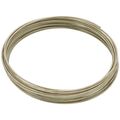

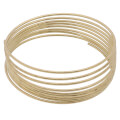
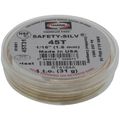
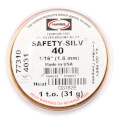
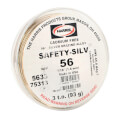

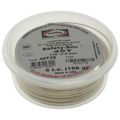

Solder is the filler metal used to join copper and other metals, and the SupplyHouse Solder category covers wire solder in lead-free and lead-bearing alloys. Lead-free choices include 95/5 tin-antimony wire solder, which has a melting temperature of 455 degrees F and a tensile strength of 5500 psi. Silver-bearing Stay Brite 8, made of 94% tin and 6% silver, bonds with ferrous and nonferrous alloys. Bridgit adds nickel for strong joints in plumbing applications where lead-bearing solders are prohibited. For work other than potable water, 60/40 tin-lead rosin core solder is also listed, and several spools are sold in 1 lb sizes. Alloy choice matters because it sets the flow behavior, the joint strength, and whether the solder is permitted in the system. Matching the alloy to the metals, the water system, and the vibration level helps each joint last.
Subcategories
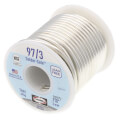
- 95/5 Tin-Antimony Lead-Free Solder: 95/5 tin-antimony solder is a lead-free wire solder made of 95% tin and 5% antimony. Lead-free alloys like it suit plumbing work where lead-bearing solders are prohibited. The product data lists a narrow pasty range, a melting temperature of 455 degrees F, a tensile strength of 5500 psi, and ASTM B-32. Harris and Victory White both list a 1 lb spool.
- Nickel-Bearing Lead-Free Solder: Bridgit is a Harris lead-free solder that contains nickel, which makes joints strong. Plumbers use it where lead-bearing solders are prohibited. Its wider melting range suits large diameter fittings and ill-fitted or non-concentric pipes, and it fills gaps and caps off easily. The listed Bridgit product is a 1 lb spool.
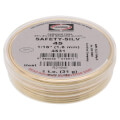
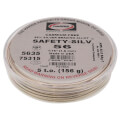
- Silver-Bearing Lead-Free Solder: Stay Brite 8 is a lead-free silver-bearing solder made of 94% tin and 6% silver. It bonds with ferrous and nonferrous alloys, so techs use it on dissimilar metal joints and vibration applications. Its description says joints show more than sufficient elongation for sound dissimilar metal joints and vibration applications. The listed spool is 1/8 inch by 1 lb.
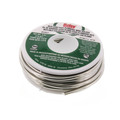
- Lead-Bearing Tin-Lead Solder: 60/40 tin-lead rosin core solder is made of 60% tin and 40% lead. With some exceptions, it joins copper and most copper alloys, lead, nickel alloys, and steel, and it flows faster than 50/50 because of its narrow melting range. Lead-bearing solders are not to be used in potable water systems, and tin-lead solders are not recommended for high stress or vibration joints in the cooling industry. The Harris listing is a 1 lb spool.
Buying Guide
Start with the water system, because it decides the alloy family. Lead-bearing solders such as 60/40 tin-lead are not for potable water systems, so potable water work points to a lead-free alloy like 95/5 tin-antimony, Bridgit, or Stay Brite 8. Next, consider the metals and the joint. Stay Brite 8 bonds with ferrous and nonferrous alloys and shows high elongation, which suits dissimilar metal joints and vibration applications. Tin-lead alloys are not recommended for high stress or vibration joints in the cooling industry because they lack sufficient elongation.
Then consider joint fit. Bridgit has a wider melting range and fills gaps, so it suits large diameter fittings and ill-fitted or non-concentric pipes. Bridgit gets its joint strength from nickel content, while Stay Brite 8 uses 6% silver. The 95/5 alloy has a narrow pasty range, while 60/40 tin-lead flows faster because of its narrow melting range. When comparing Solder, check the melting temperature and tensile strength in the product data. The 95/5 spools list 455 degrees F and 5500 psi. Finally, match the core to the process. The 60/40 product is rosin core, and tin-lead solders are also made with rosin or acid core. Spool size also matters, and several listed spools are 1 lb. Confirm the job specification and local code before buying.
Frequently Asked Questions
Can I use lead-bearing solder on potable water lines?
No. Lead-bearing solder such as 60/40 tin-lead is not to be used in potable water systems, according to the product caution. Lead-free solder like 95/5 tin-antimony is the alternative for that work.
What is the melting temperature of 95/5 lead-free solder?
The 95/5 tin-antimony solder in the Solder category lists a melting temperature of 455 degrees F and a narrow pasty range. Tensile strength is listed at 5500 psi. The product data also references ASTM B-32.
Which lead-free solder works on large fittings or ill-fitted pipe?
Bridgit lead-free solder has a wider melting range, which suits large diameter fittings and ill-fitted or non-concentric pipes. Its nickel content makes joints strong. Among the Solder options listed, it fits gap-filling jobs.
What solder should I use for dissimilar metals or vibration?
Stay Brite 8 silver-bearing solder is made of 94% tin and 6% silver and bonds with ferrous and nonferrous alloys. Its description cites more than sufficient elongation for dissimilar metal joints and vibration applications. Tin-lead solders are not recommended for high stress or vibration joints in the cooling industry.
Does 60/40 solder come with a rosin core?
The 60/40 tin-lead solder listed here is a rosin core wire solder made of 60% tin and 40% lead. Tin-lead solders are also made with rosin or acid core. Because lead-bearing solder is not for potable water, choose it only for non-potable work.
