




Supply Risers

Stops & Risers




| PRODUCT | SIZE | SINGLE UNIT | BOX UP & SAVE | STOCK STATUS | LIST | COMPARE |
|---|

Supply risers are the vertical piping fixtures that connect a plumbing supply stop to a fixture like a toilet, sink, or faucet, carrying water from the shutoff valve up to the fixture connection. Plumbers use them on nearly every fixture install and repair because the riser is the piece most likely to need replacing when a fixture is swapped or a shutoff is upgraded. Risers come in rigid and flexible styles, with flexible braided risers now common on residential jobs because they simplify alignment between the stop and the fixture inlet. Rigid risers are still specified where a fixed, code-required connection length is needed or where a cleaner finished look matters, such as an exposed supply line under a pedestal sink. Getting the length, connection thread, and finish right on the first trip prevents a return visit, which is why risers are typically stocked in a range of lengths and outlet sizes.
Subcategories
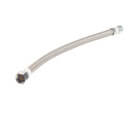
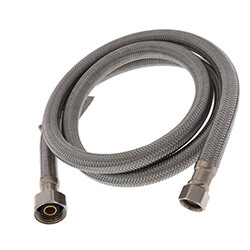
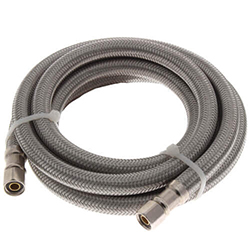
- Braided Flexible Risers: Braided flexible risers use a stainless steel or nylon braided outer sleeve over a flexible inner tube, letting the riser bend to align a supply stop with a fixture inlet that isn't perfectly positioned. Plumbers favor these for faster installs since a flexible riser doesn't need to be cut or bent to fit like a rigid one. The braided sleeve resists kinking better than a plain flexible line, which matters in the tight spaces under a sink or behind a toilet. They're sold in a range of lengths to match common rough-in distances.
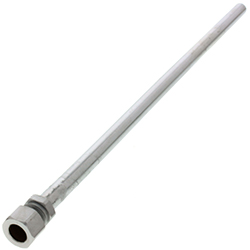
- Rigid Risers: Rigid risers are solid, non-flexing supply lines typically used where a fixed connection length is required or where the finished look of the exposed piping matters. Chrome-plated rigid risers are common on pedestal sinks and other fixtures where the supply line is visible. Because they don't flex, rigid risers need to be measured and sometimes cut to the correct length before installation. They hold up well over time since there's no braided sleeve or inner tube to wear out.
- Toilet Supply Risers: Toilet supply risers connect the shutoff stop to the fill valve at the base of the toilet tank, and they're one of the most frequently replaced riser types on service calls. Most toilet installs use a 3/8 inch compression connection at the stop and a 7/8 inch ballcock nut at the tank, so confirming both ends match the existing fixture avoids a return trip. Braided flexible versions dominate this category because toilet rough-in distances vary slightly from install to install. A worn or cracked riser here is a common source of a slow leak at the base of the tank.
- Faucet & Sink Supply Risers: Faucet and sink supply risers run from the stop under the sink up to the faucet's hot and cold supply inlets, and they're typically shorter and thinner in diameter than toilet risers. Braided flexible risers are standard here as well, since faucet inlet positions vary by fixture brand and model. Confirming the outlet thread size on the new faucet before selecting a riser prevents a mismatched connection at the top end. Replacing both the hot and cold riser at the same time, rather than just the one that failed, is common practice since both see the same age and wear.
Buying Guide
Selecting the right supply riser starts with deciding between flexible and rigid styles based on the install. Flexible braided risers work for the majority of residential fixture connections because they tolerate small misalignments between the stop and the fixture inlet without extra cutting or bending. Rigid risers are the better choice where the finished appearance of the piping matters or where a building code calls for a fixed connection length, such as certain commercial installs.
Matching thread and connection sizes on both ends of the riser is the detail most likely to cause a return trip if missed. The stop end is typically a compression fitting sized to the supply stop's outlet, while the fixture end varies by application: a ballcock nut for toilets, a faucet-specific thread for sink fixtures. Bringing the old riser or noting its markings before ordering a replacement is the most reliable way to confirm both connection sizes match.
Length matters too, particularly on rigid risers that can't flex to take up slack. Measuring the actual distance between the stop and the fixture inlet, rather than estimating, avoids ordering a riser that's too short to reach or too long to look clean once installed. For jobs where the rough-in distance is unknown or inconsistent, a flexible riser in a slightly longer length gives more margin for error than a rigid one cut to a fixed size.
Frequently Asked Questions
Should a flexible or rigid riser be used for a toilet install?
Flexible braided risers are the standard choice for most toilet installs since they tolerate small variations in rough-in distance without needing to be cut or bent. Rigid risers are used less often here, mainly on jobs with a specific code requirement or a preference for a fixed, non-flexing connection. Either style works as long as the connection sizes at both ends match the stop and the fill valve.
What size riser is needed for a standard toilet supply connection?
Most toilet supply risers use a 3/8 inch compression connection at the stop and a 7/8 inch ballcock connection at the tank fill valve, which covers the large majority of residential toilets. Checking the existing riser's fittings, or the tank fill valve's connection if the riser is missing, confirms the correct size before ordering. A mismatched size at either end will prevent a proper seal.
Why does a supply riser leak at the connection point?
A leak at the connection is usually caused by a worn washer or gasket inside the compression or ballcock nut, over-tightening that's damaged the seal, or a connection that was never fully seated. Replacing the riser along with a fresh washer at each connection point resolves most of these leaks. Checking that the stop valve itself isn't the actual source of the leak is worth doing before assuming the riser is at fault.
Can the same riser be used for both hot and cold supply lines?
Yes, supply risers for hot and cold lines are typically identical in construction, since the riser itself doesn't need to differentiate temperature the way the fixture's internal valve does. What matters is matching the connection size and length to each specific supply line. Many plumbers replace both risers together during a fixture swap since they're the same age and see similar wear.
How long should a riser be for a typical sink installation?
Riser length depends on the distance between the supply stop and the faucet inlet, which varies by cabinet design and rough-in placement, so measuring the actual gap is more reliable than assuming a standard length. Flexible risers are commonly stocked in a range of lengths to cover most under-sink distances without needing an exact custom cut. A slightly longer flexible riser can usually be routed to fit, while one that's too short will require a replacement.
