




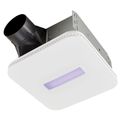
SurfaceShield Ventilation Fans

 --%3E %3Csvg version='1.1' id='No-RB' xmlns='http://www.w3.org/2000/svg' xmlns:xlink='http://www.w3.org/1999/xlink' x='0px' y='0px' viewBox='0 0 100 100' enable-background='new 0 0 100 100' xml:space='preserve'%3E %3Cpath fill='%23CECECE' d='M79.44,0.95H20.56C9.78,0.95,0.95,9.78,0.95,20.56v58.87c0,10.79,8.82,19.61,19.61,19.61h58.87 c10.79,0,19.61-8.83,19.61-19.61V20.56C99.05,9.78,90.22,0.95,79.44,0.95z M65.38,58.24l9.38,29.58L49.69,69.78L24.5,87.82 l9.34-29.6L8.8,39.6l30.73-0.17c0,0,6.98-19.61,10-28.93c0.54,1.36,9.88,29.1,9.88,29.1H91.2L65.38,58.24z'/%3E %3C/svg%3E)


SurfaceShield ventilation fans are exhaust fans designed to pull moist, stale air out of bathrooms and other enclosed spaces before it can settle into walls, ceilings, and fixtures. Contractors reach for this line when a job calls for reliable moisture control along with basic air movement; the housings and duct connections are built to hold up in the damp conditions bath fans run in every day. Airflow is typically rated in cubic feet per minute (CFM), and sizing a fan to the square footage of the room it serves is the first step in any installation. Sound level, measured in sones, is the other spec worth checking, since a fan that's too loud gets switched off by occupants and stops doing its job. SurfaceShield fans fit into new construction and retrofit jobs alike, venting through roof caps, wall caps, or soffit outlets depending on the layout. Getting the duct run right matters as much as the fan itself for keeping moisture problems out of a building long-term.
Subcategories
- Single-Speed Bath Fans: Single-speed bath fans are the standard exhaust option installed in most residential bathrooms, running at one fixed airflow rate whenever the switch is on. They're sized by CFM to match room square footage, with 50 CFM covering a typical small bathroom and larger rooms needing more. Contractors use them for straightforward retrofit and new-construction jobs where a timer or humidity control isn't part of the plan. Duct connections are usually 4 inches, matching standard bath fan ductwork.
- Multi-Speed and Humidity-Sensing Fans: Multi-speed units let an installer or occupant choose a lower airflow setting for everyday use and a higher one for heavy moisture loads like showers. Humidity-sensing models take that a step further, switching on automatically once indoor humidity crosses a set threshold and running until the air clears. Building codes in some jurisdictions require continuous or humidity-triggered ventilation in bathrooms without windows, making these fans the practical fit for that requirement. They cost more upfront than single-speed models but cut down on moisture problems from fans that never get switched on.
- Fan/Light and Fan/Heater Combination Units: Fan/light and fan/heater combination units combine exhaust ventilation with a light fixture, a heater, or both in a single housing, cutting down on the number of ceiling cutouts a bathroom remodel needs. Fan/heater combinations add a radiant or fan-forced heat element for cold-climate bathrooms, wired to a separate switch from the fan itself. Contractors specify these for remodels where ceiling space is tight and running separate fixtures isn't practical. Wattage and CFM both need checking against the room's electrical circuit before installation.
- Inline and Remote-Mount Fans: Inline fans mount in the duct run itself rather than directly above the room, moving the motor noise away from the space being ventilated. Contractors use this configuration to vent multiple bathrooms, or a bathroom paired with a laundry area, through a single blower and one exterior termination point. Remote mounting also simplifies service access, since the fan sits in an attic or mechanical space instead of behind a ceiling grille. Static pressure losses over longer duct runs are the main design factor when selecting one of these units.
Buying Guide
Picking the right exhaust fan starts with CFM, calculated from the bathroom's square footage using the widely used one CFM per square foot rule of thumb for rooms under 100 square feet, with fixed minimums for smaller spaces. Undersized fans run constantly without ever really drying out the room, while oversized units waste energy and can depressurize a tightly sealed house. Duct size and run length come next: longer runs and more elbows increase static pressure, so a fan rated for the calculated CFM at zero static pressure may fall short once it's actually connected to ductwork. SurfaceShield Ventilation Fans cover a range of CFM ratings and control options, from basic single-speed models to humidity-sensing and multi-speed units, so matching the fan to how the room actually gets used matters as much as the raw airflow number. Sound rating in sones is worth checking next, since fans installed in bedrooms or shared walls need to stay quiet enough that occupants leave them running. Local building code should be checked for minimum ventilation requirements before finalizing a spec, particularly for windowless bathrooms where continuous or automatic ventilation may be mandatory. Finally, confirm the fan's housing depth clears the joist bay or ceiling cavity available for the installation, since shallow-mount options exist for tight spaces where a standard housing won't fit.
Frequently Asked Questions
What CFM rating do I need for a bathroom exhaust fan?
A common rule of thumb is one CFM per square foot of floor area for bathrooms under 100 square feet, with most codes setting a practical minimum around 50 CFM regardless of room size. Larger bathrooms, or rooms with a separate toilet enclosure or jetted tub, often need supplemental calculations added on top of the base square footage number. Checking local code requirements before finalizing a CFM target avoids a fan that passes on paper but underventilates in practice.
What's the difference between an inline fan and a standard ceiling fan?
A standard ceiling-mount fan has the motor and blower built into the housing installed directly above the room, while an inline fan sits further down the duct run, often in an attic or mechanical space. Inline fans run quieter at the fixture because the motor noise is physically separated from the room, which matters for fans installed near bedrooms. They're also useful for combining ventilation from two bathrooms into one blower and one exterior termination point.
Do humidity-sensing fans turn on by themselves?
Yes, humidity-sensing models monitor indoor moisture levels and switch on automatically once humidity crosses a preset threshold, running until levels drop back down. Most units also keep a standard wall switch for manual on/off control, so occupants aren't locked out of running the fan on demand. Automatic switching like this is what satisfies code requirements for continuous ventilation in bathrooms without operable windows.
Can a bath fan vent into the attic instead of outside?
No, bath fan ducting needs to terminate outside the building through a roof cap, wall cap, or soffit vent, since venting into an attic pushes moist air directly into an unconditioned space where it can condense and cause mold or wood rot. Every SurfaceShield fan installation should route ductwork to an exterior termination point sized to match the fan's duct connection.
How loud should a bathroom exhaust fan be?
Sound level is measured in sones, with lower numbers meaning quieter operation; many quality residential fans fall in the 0.5 to 1.5 sone range, which is quiet enough to run continuously without bothering occupants. A fan rated above 3 sones is noticeably loud and tends to get switched off, defeating the purpose of having ventilation installed in the first place. Checking the sone rating alongside CFM keeps a fan choice practical for how the space actually gets used day to day.
