




Broan-NuTone Ventilation Fans
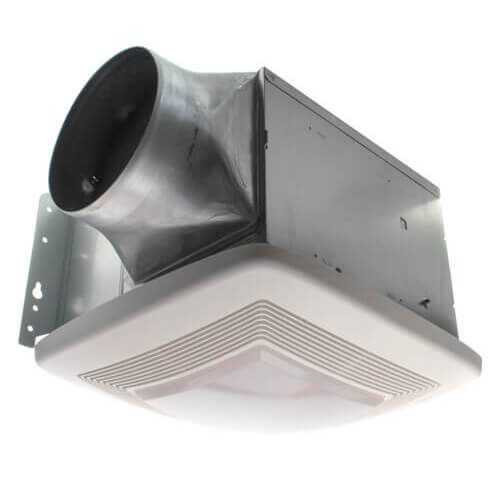
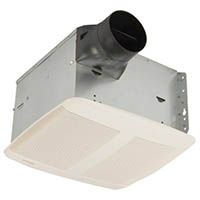
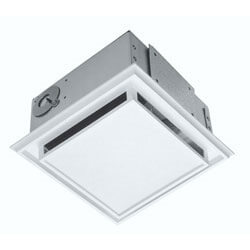
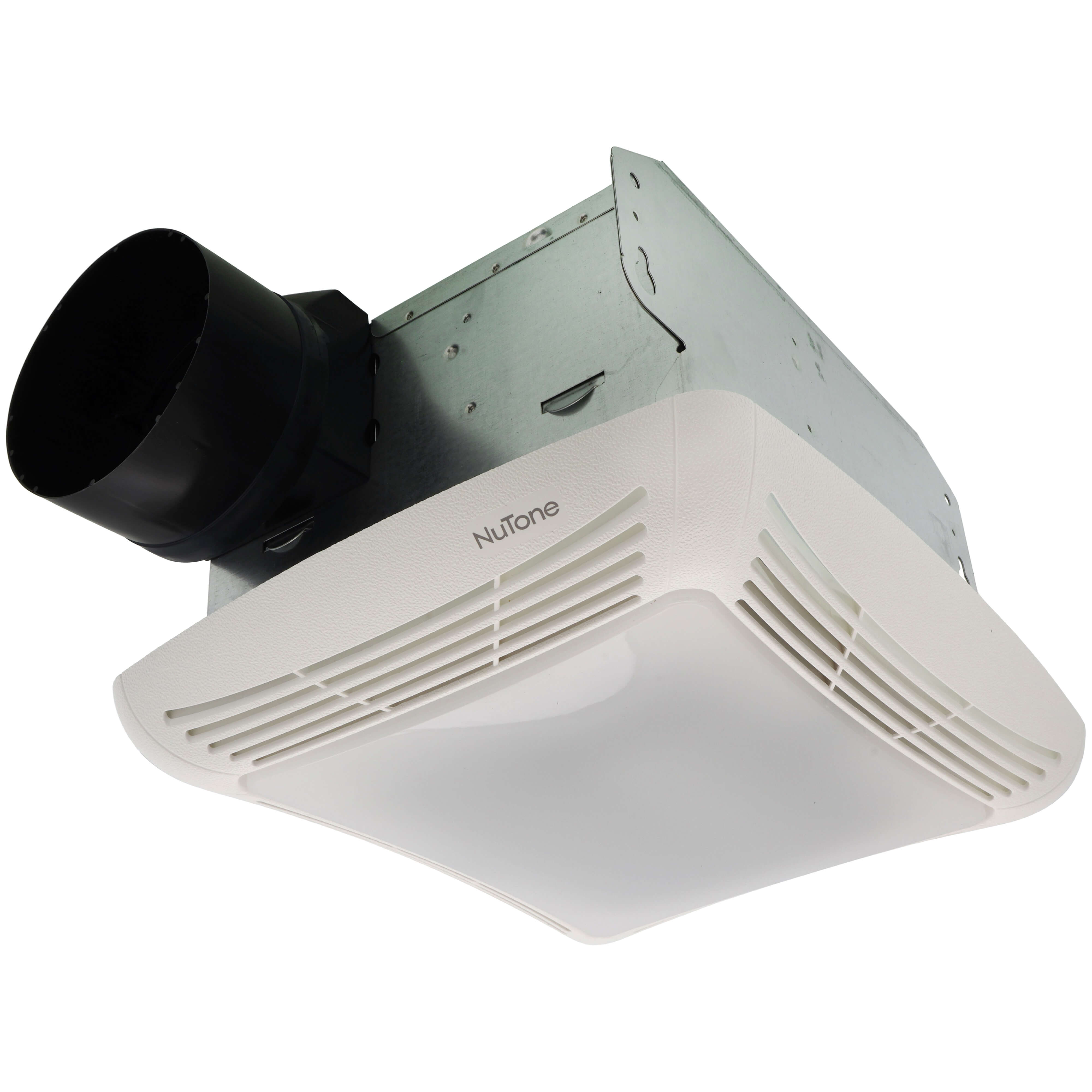
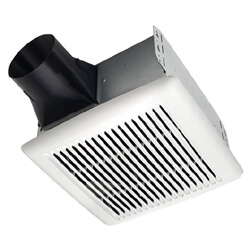
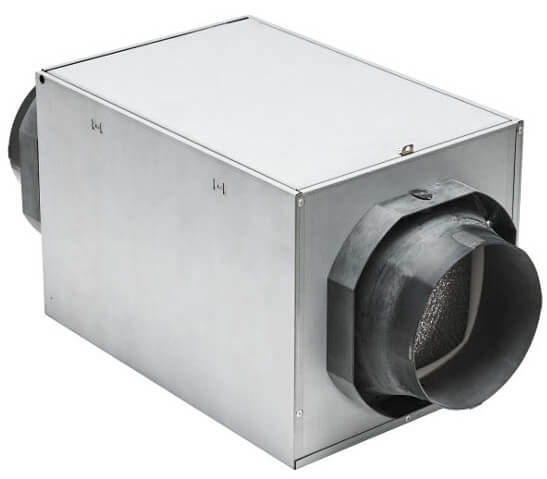
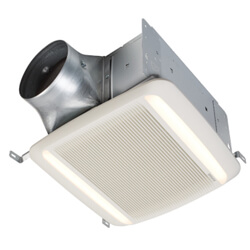
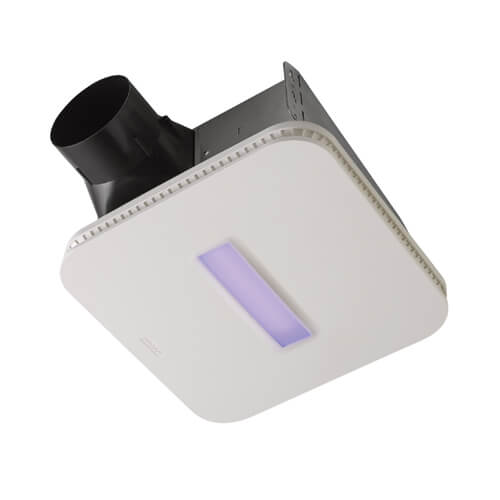
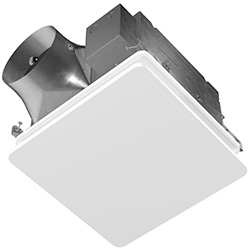
Broan-NuTone Ventilation Fans cover exhaust, ventilation, and humidity control for bathrooms, kitchens, and utility spaces, spanning economy-grade builder fans up to premium low-sound, high-capacity models. The lineup includes standard exhaust fans, whole-house ventilation options, and combination units with a light or heater. Contractors can spec a single brand across an entire remodel or new build. Sound rating, airflow capacity, and duct connection size are the specs that typically decide which model fits a given room.
Matching a fan to the space starts with calculating the room's required airflow and checking the available duct run. Undersized ducting reduces the effective performance of even a well-rated fan. Broan-NuTone organizes its ventilation fans by series. Contractors comparing options for a bathroom remodel versus a whole-house ventilation retrofit can narrow the choice by application rather than sorting through the full catalog.
.jpg)


Subcategories
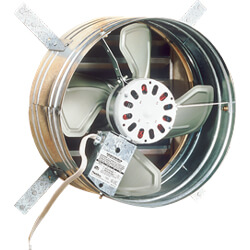
- Broan Attic Ventilators: Broan attic ventilators move hot, humid air out of attic spaces to reduce cooling loads in summer and limit moisture buildup that can lead to mold or wood rot. Installers typically pair them with a thermostat or humidistat control so the fan cycles automatically based on attic conditions rather than running continuously. They see the most use in warmer climates and on older homes with limited passive attic ventilation.
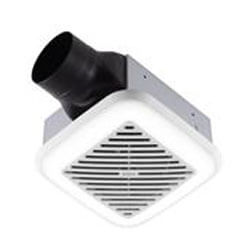
- Broan Flex DC Ventilation Fans: Broan Flex DC fans use a DC motor that can be adjusted for airflow and duct size after installation. One fan model can cover several room sizes, so there is no need to stock multiple SKUs for different capacities. The adjustable-flow design also tends to run quieter than fixed-speed AC fans at lower settings. Contractors doing multi-unit or production work favor the flexibility since it simplifies job-site inventory.
- Broan Fresh Air Ventilators: Broan fresh air ventilators bring outdoor air into tightly sealed homes to maintain healthy indoor air quality without a large increase in heating or cooling load. Some models recover heat or energy from the outgoing air stream before exhausting it, reducing the conditioning penalty of bringing in fresh outdoor air. Builders working to a specific energy code often need one to meet a minimum mechanical ventilation requirement.
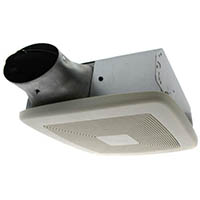
- Broan LoProfile Ventilation Fans: Broan LoProfile ventilation fans use a shallow housing designed to fit above ceilings with limited joist depth, a common constraint in older homes or additions built over shallow framing. The low-profile housing still delivers standard exhaust performance, just in a smaller footprint than a standard fan housing. Remodelers reach for this line specifically when a full-depth housing will not clear the joist bay.
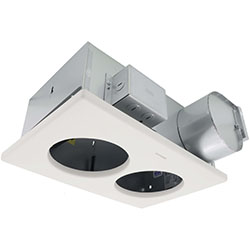
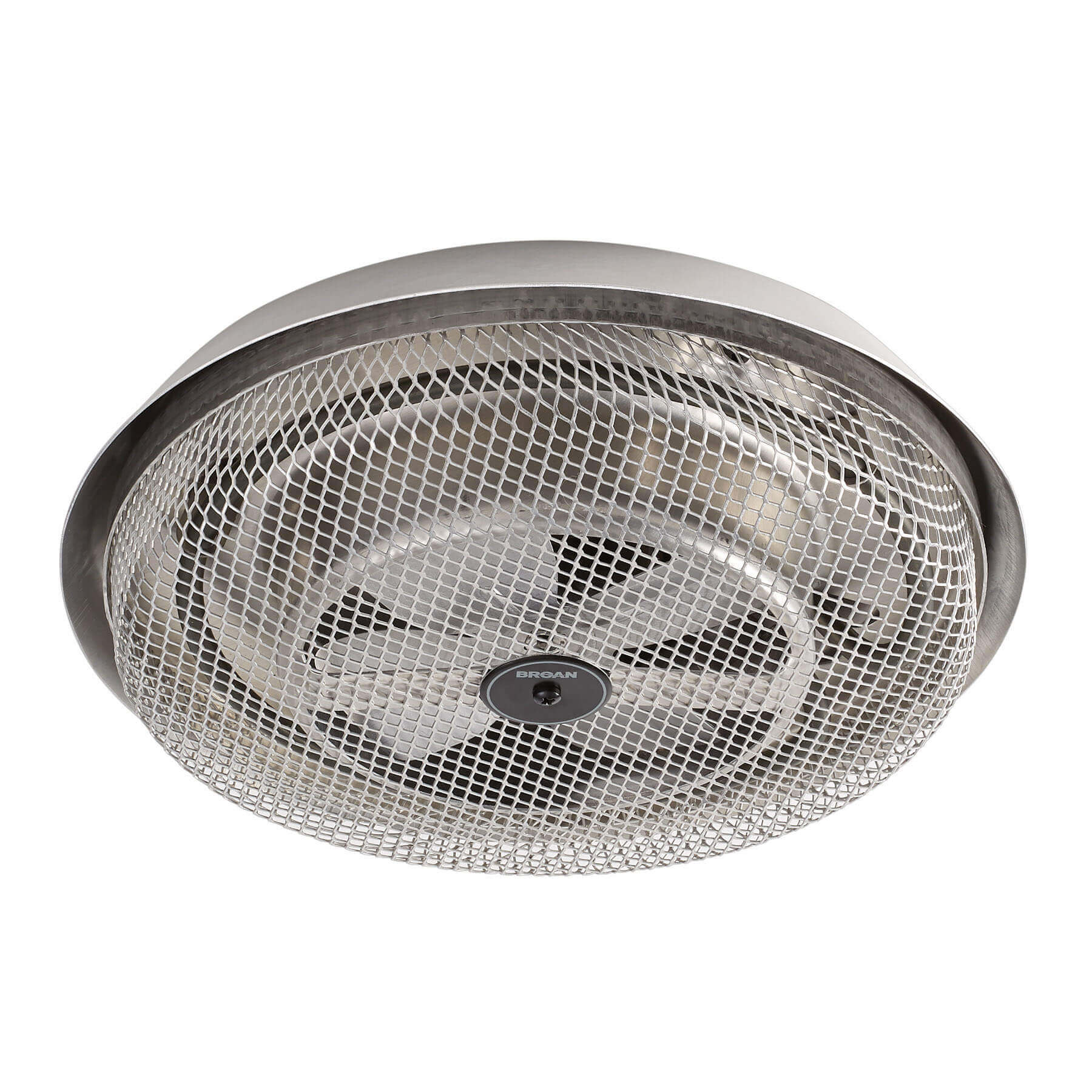
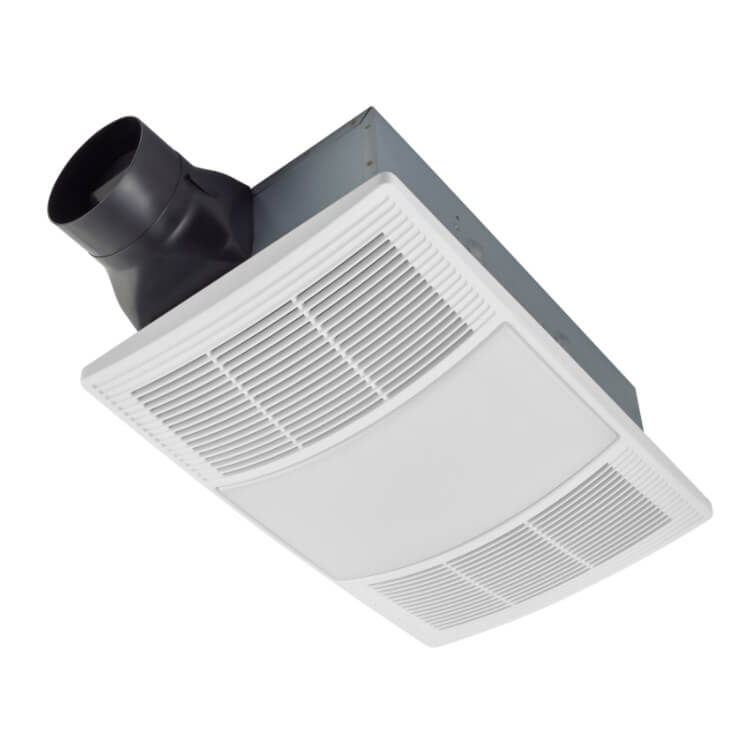
- Broan PowerHeat Ventilation Fans: Broan PowerHeat fans combine an exhaust fan with a built-in heater, giving a bathroom both moisture removal and supplemental warmth from a single ceiling unit. The heater element is sized to take the chill off a small bathroom rather than serve as a primary heat source for the space. They are most common in cold-climate bathroom remodels where a separate heater is not practical.
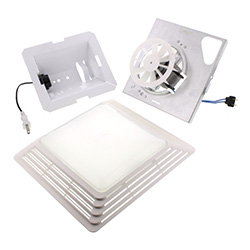
- Broan Ventilation Fan Project Packs: Broan ventilation fan project packs bundle a fan housing with a matching grille and, in some cases, a light kit or humidity sensor. This cuts down on separate SKUs to track for a straightforward bathroom fan replacement. Contractors doing repeat production work or fan replacement service calls use the packs to standardize what is on the truck. Packs are matched to the fan's airflow rating, so the room's exhaust needs still drive the selection.
Buying Guide
Selecting a bathroom or utility ventilation fan starts with airflow, expressed in cubic feet per minute. Size it to the room's square footage and ceiling height rather than picking at random. An undersized fan will run constantly without clearing humidity, while an oversized fan wastes energy and can be noisier than the room needs.
Sound rating matters just as much as airflow anywhere people spend time. A fan rated for high airflow but poorly rated for sound is often disabled or bypassed by the homeowner after installation. Broan-NuTone Ventilation Fans span a wide range of sound ratings. Matching the model to the room's use, whether a quick powder room or a primary bathroom, keeps the fan in daily use rather than ignored.
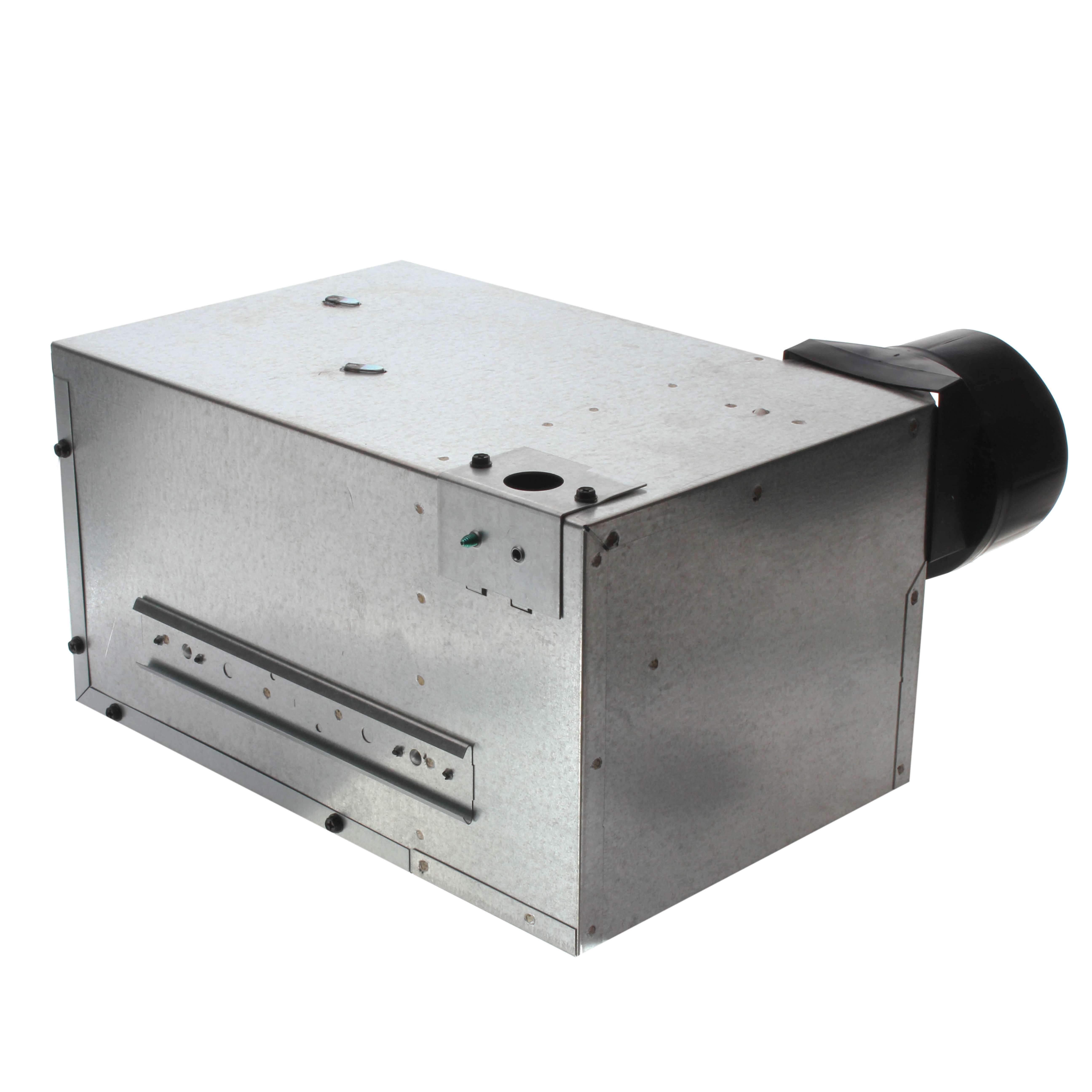
Duct size and run length also affect real-world performance. A fan rated for a specific airflow assumes a duct run within the manufacturer's stated length and diameter. A longer or narrower run than specified will reduce actual airflow below the rating on the box.
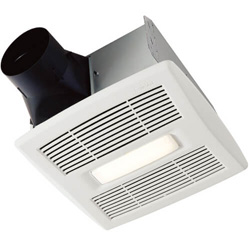
Combination units pair a fan with a light, heater, or humidity sensor. They reduce the number of ceiling penetrations and switches needed in a small bathroom. This can simplify installation and the finished look of the room. The tradeoff is that a combination unit typically costs more upfront than a standalone exhaust fan and may need a dedicated circuit depending on the heater load.
For whole-house ventilation or attic exhaust, confirm the unit is rated for continuous duty rather than intermittent bathroom use. The two are not interchangeable applications, despite superficially similar hardware.
Frequently Asked Questions
How is the right airflow rating determined for a bathroom fan?
A common rule of thumb is one cubic foot per minute of airflow per square foot of bathroom floor area. A minimum rating applies to smaller bathrooms regardless of room size. Ceiling height above eight feet or the presence of a separate toilet enclosure or tub can push the required airflow higher.
What does a fan's sound rating actually measure?
Sound rating measures perceived loudness, with a lower number meaning a quieter fan. A rating in the range typical for a primary bathroom fan is noticeably quieter than a builder-grade fan often used in a half bath or utility room.
Can a fan and light combination unit be installed on a single switch?
Some combination units support a single switch controlling both functions, while others require separate switches or a compatible wall control to run the fan and light independently. Checking the unit's wiring diagram before rough-in avoids a mismatched switch box.
Do attic ventilators need a separate control, or do they run continuously?
Most attic ventilators pair with a thermostat, humidistat, or timer so the fan only runs when attic conditions call for it, rather than running around the clock. Continuous operation without a control shortens motor life and adds unnecessary energy use.
What is the advantage of a DC motor fan over a standard AC motor fan?
DC motor fans typically draw less power at a given airflow and often include adjustable speed settings that let one fan model serve multiple room sizes or duct configurations. AC motor fans are simpler and often less expensive but usually come in fixed capacity models.
Resources

 --%3E %3C!DOCTYPE svg PUBLIC '-//W3C//DTD SVG 1.1//EN' 'http://www.w3.org/Graphics/SVG/1.1/DTD/svg11.dtd'%3E %3Csvg version='1.1' id='Layer_1' xmlns='http://www.w3.org/2000/svg' xmlns:xlink='http://www.w3.org/1999/xlink' x='0px' y='0px' width='90px' height='90px' viewBox='0 0 90 90' enable-background='new 0 0 90 90' xml:space='preserve'%3E %3Crect x='27' y='23' fill='%23FFFFFF' width='43' height='44'/%3E %3Cg%3E %3Cdefs%3E %3Crect id='SVGID_1_' width='90' height='90'/%3E %3C/defs%3E %3CclipPath id='SVGID_2_'%3E %3Cuse xlink:href='%23SVGID_1_' overflow='visible'/%3E %3C/clipPath%3E %3Cpath clip-path='url(%23SVGID_2_)' fill='%234186AD' d='M45,0C20.1,0,0,20.1,0,45c0,24.9,20.1,45,45,45c24.9,0,45-20.1,45-45 C90,20.1,69.9,0,45,0'/%3E %3C/g%3E %3Cpath fill='%23FFFFFF' d='M60.6,47.4l-22.5,14c-0.5,0.3-1,0.399-1.5,0.399s-0.9-0.1-1.4-0.399c-0.9-0.5-1.4-1.4-1.4-2.5v-28 c0-1,0.6-2,1.4-2.5c0.9-0.5,2-0.5,2.9,0.1l22.5,14.1C61.4,43.1,61.9,44,61.9,45S61.4,46.9,60.6,47.4'/%3E %3C/svg%3E)
Other Resources
Subcategories
- Broan Attic Ventilators: Broan attic ventilators move hot, humid air out of attic spaces to reduce cooling loads in summer and limit moisture buildup that can lead to mold or wood rot. Installers typically pair them with a thermostat or humidistat control so the fan cycles automatically based on attic conditions rather than running continuously. They see the most use in warmer climates and on older homes with limited passive attic ventilation.
- Broan Flex DC Ventilation Fans: Broan Flex DC fans use a DC motor that can be adjusted for airflow and duct size after installation. One fan model can cover several room sizes, so there is no need to stock multiple SKUs for different capacities. The adjustable-flow design also tends to run quieter than fixed-speed AC fans at lower settings. Contractors doing multi-unit or production work favor the flexibility since it simplifies job-site inventory.
- Broan Fresh Air Ventilators: Broan fresh air ventilators bring outdoor air into tightly sealed homes to maintain healthy indoor air quality without a large increase in heating or cooling load. Some models recover heat or energy from the outgoing air stream before exhausting it, reducing the conditioning penalty of bringing in fresh outdoor air. Builders working to a specific energy code often need one to meet a minimum mechanical ventilation requirement.
- Broan LoProfile Ventilation Fans: Broan LoProfile ventilation fans use a shallow housing designed to fit above ceilings with limited joist depth, a common constraint in older homes or additions built over shallow framing. The low-profile housing still delivers standard exhaust performance, just in a smaller footprint than a standard fan housing. Remodelers reach for this line specifically when a full-depth housing will not clear the joist bay.
- Broan PowerHeat Ventilation Fans: Broan PowerHeat fans combine an exhaust fan with a built-in heater, giving a bathroom both moisture removal and supplemental warmth from a single ceiling unit. The heater element is sized to take the chill off a small bathroom rather than serve as a primary heat source for the space. They are most common in cold-climate bathroom remodels where a separate heater is not practical.
- Broan Ventilation Fan Project Packs: Broan ventilation fan project packs bundle a fan housing with a matching grille and, in some cases, a light kit or humidity sensor. This cuts down on separate SKUs to track for a straightforward bathroom fan replacement. Contractors doing repeat production work or fan replacement service calls use the packs to standardize what is on the truck. Packs are matched to the fan's airflow rating, so the room's exhaust needs still drive the selection.
Buying Guide
Selecting a bathroom or utility ventilation fan starts with airflow, expressed in cubic feet per minute. Size it to the room's square footage and ceiling height rather than picking at random. An undersized fan will run constantly without clearing humidity, while an oversized fan wastes energy and can be noisier than the room needs.
Sound rating matters just as much as airflow anywhere people spend time. A fan rated for high airflow but poorly rated for sound is often disabled or bypassed by the homeowner after installation. Broan-NuTone Ventilation Fans span a wide range of sound ratings. Matching the model to the room's use, whether a quick powder room or a primary bathroom, keeps the fan in daily use rather than ignored.
Duct size and run length also affect real-world performance. A fan rated for a specific airflow assumes a duct run within the manufacturer's stated length and diameter. A longer or narrower run than specified will reduce actual airflow below the rating on the box.
Combination units pair a fan with a light, heater, or humidity sensor. They reduce the number of ceiling penetrations and switches needed in a small bathroom. This can simplify installation and the finished look of the room. The tradeoff is that a combination unit typically costs more upfront than a standalone exhaust fan and may need a dedicated circuit depending on the heater load.
For whole-house ventilation or attic exhaust, confirm the unit is rated for continuous duty rather than intermittent bathroom use. The two are not interchangeable applications, despite superficially similar hardware.
Frequently Asked Questions
How is the right airflow rating determined for a bathroom fan?
A common rule of thumb is one cubic foot per minute of airflow per square foot of bathroom floor area. A minimum rating applies to smaller bathrooms regardless of room size. Ceiling height above eight feet or the presence of a separate toilet enclosure or tub can push the required airflow higher.
What does a fan's sound rating actually measure?
Sound rating measures perceived loudness, with a lower number meaning a quieter fan. A rating in the range typical for a primary bathroom fan is noticeably quieter than a builder-grade fan often used in a half bath or utility room.
Can a fan and light combination unit be installed on a single switch?
Some combination units support a single switch controlling both functions, while others require separate switches or a compatible wall control to run the fan and light independently. Checking the unit's wiring diagram before rough-in avoids a mismatched switch box.
Do attic ventilators need a separate control, or do they run continuously?
Most attic ventilators pair with a thermostat, humidistat, or timer so the fan only runs when attic conditions call for it, rather than running around the clock. Continuous operation without a control shortens motor life and adds unnecessary energy use.
What is the advantage of a DC motor fan over a standard AC motor fan?
DC motor fans typically draw less power at a given airflow and often include adjustable speed settings that let one fan model serve multiple room sizes or duct configurations. AC motor fans are simpler and often less expensive but usually come in fixed capacity models.