




Tubular Tailpieces
Tubular tailpieces are the short lengths of thin wall tubing that connect a sink, tub, or appliance drain outlet to the trap and drain line below it. Tailpieces are made from lightweight tubular brass, PVC, or plastic rather than the heavier pipe used elsewhere in a drain system. They are sized and shaped to fit the specific fixture they serve, such as a bathroom sink, a kitchen sink with a garbage disposal, or a washing machine standpipe connection. Because they sit directly under the fixture, tailpieces are one of the most commonly replaced parts during a sink or appliance drain repair.
The category covers several tailpiece styles built for different fixtures and configurations. They range from a straight threaded tailpiece under a simple lavatory sink to a flanged or slip joint version used where a disposal or dishwasher connection is involved. Selecting the correct style depends on the fixture's outlet size and the drain configuration below it. It also depends on whether the connection needs to accommodate an appliance discharge line in addition to the fixture drain itself.


Subcategories
- Threaded Tailpieces: Threaded tailpieces connect to a fixture drain outlet using male or female pipe threads rather than a slip joint compression fitting. This is common on older fixtures or specific drain configurations that call for a threaded connection. This style is typically paired with a threaded trap adapter or other threaded drain component rather than a standard slip joint trap.
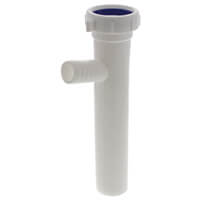
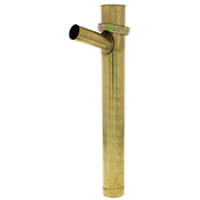
- Tubular Dishwasher Tailpieces: Tubular dishwasher tailpieces include a side inlet or barbed fitting that accepts the dishwasher discharge hose in addition to the normal sink drain connection. This allows the sink and the dishwasher to share a single drain line under the fixture. This style is commonly installed alongside a garbage disposal, since both the disposal and the dishwasher hose typically tie into the same tailpiece.
- Tubular Flanged Tailpieces: Tubular flanged tailpieces include a flange or flared end that seats against the underside of the sink strainer or basket. This forms part of the seal between the fixture and the tailpiece. This style is common under kitchen and bathroom sinks where the tailpiece connects directly to a strainer assembly rather than to a garbage disposal outlet.
- Tubular Slip Joint Tailpieces: Tubular slip joint tailpieces connect to the fixture and the trap using slip joint nuts and washers rather than threaded or soldered connections. This makes them straightforward to install or remove without special tools. This style is the most common configuration under a standard bathroom or kitchen sink drain.
- Tubular Washing Machine Tailpieces: Tubular washing machine tailpieces are sized and configured for a washing machine standpipe drain connection rather than a sink. They accommodate the discharge hose from a washing machine along with the drain line running to the trap or standpipe. This style needs to match the standpipe height and diameter used in the laundry area's existing drain rough in.
Buying Guide
Matching the tailpiece to the fixture starts with the outlet size. This is typically one and a quarter inch for a bathroom sink and one and a half inch for a kitchen sink, though older fixtures can vary. Confirming the outlet diameter of the fixture strainer or basket before selecting a tailpiece prevents an awkward reducer fitting later in the job.
Whether a job needs a flanged, threaded, or slip joint tailpiece depends on how the tailpiece connects at both the fixture end and the trap end. A flanged tailpiece pairs with a basket strainer that has a matching seat. A slip joint tailpiece works with a slip joint trap adapter. Mixing the wrong style at either connection point leads to a leak that a slip nut alone cannot fix.
Kitchen sinks with a garbage disposal or dishwasher need a tailpiece style built to handle that extra connection. That means either a side inlet tailpiece for the dishwasher discharge hose or a disposal outlet that ties in below the tailpiece rather than above it. Checking how the disposal and dishwasher connections are routed before ordering parts avoids a mismatched tailpiece length or configuration.
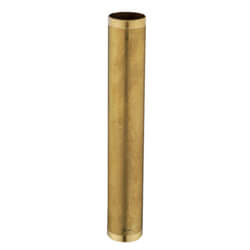
Material choice between tubular brass, chrome plated brass, and PVC or plastic tailpieces usually comes down to visibility and finish matching rather than performance. Exposed tailpieces under a pedestal sink or in a finished bathroom are often chrome plated to match other visible fixtures. Tailpieces hidden inside a vanity cabinet are commonly plastic or unfinished tubular brass.
Length is the last variable to confirm. A tailpiece that is too long can be cut down with a tubing cutter to fit the actual distance between the fixture outlet and the trap. One that is too short will not reach and needs an extension or a longer replacement part.
Frequently Asked Questions
What is the standard diameter for a sink tailpiece?
A bathroom sink tailpiece is typically one and a quarter inch in diameter. A kitchen sink tailpiece is typically one and a half inch. These sizes match the standard outlet sizes on most residential sink strainers and baskets. Older or non standard fixtures can use a different size, so confirming the outlet diameter before ordering a tailpiece is worth the extra step.
Can a tubular tailpiece be cut to length?
Yes, most tubular tailpieces made from brass or plastic can be cut to length with a tubing cutter or a fine tooth hacksaw. They are thin walled and not threaded along their full length. Cutting a tailpiece too short is not reversible, so measuring twice before cutting once avoids wasting a part.
What tailpiece style works with a garbage disposal?
A garbage disposal typically connects below a standard tailpiece using its own discharge tube and flange. The tailpiece itself usually only needs to match the sink strainer connection above it. If a dishwasher is also tied into the same drain, a side inlet or dishwasher tailpiece is used to accept that additional connection.
Why does a tailpiece leak even after tightening the slip nuts?
A slip joint tailpiece relies on a beveled washer seated correctly against the fitting to form a seal. A leak after tightening usually points to a missing, cracked, or incorrectly oriented washer rather than a nut that simply needs more torque. Overtightening a slip nut without checking the washer can crack the tailpiece or the fitting it connects to.
Is chrome plated tubular brass necessary for a tailpiece hidden inside a cabinet?
No, a tailpiece hidden inside a vanity or sink cabinet does not need a chrome finish. The finish is a cosmetic choice for visible plumbing rather than a functional requirement. Unfinished tubular brass or PVC performs the same drain function at a lower cost when appearance is not a factor.
Resources
Subcategories
- Threaded Tailpieces: Threaded tailpieces connect to a fixture drain outlet using male or female pipe threads rather than a slip joint compression fitting. This is common on older fixtures or specific drain configurations that call for a threaded connection. This style is typically paired with a threaded trap adapter or other threaded drain component rather than a standard slip joint trap.
- Tubular Dishwasher Tailpieces: Tubular dishwasher tailpieces include a side inlet or barbed fitting that accepts the dishwasher discharge hose in addition to the normal sink drain connection. This allows the sink and the dishwasher to share a single drain line under the fixture. This style is commonly installed alongside a garbage disposal, since both the disposal and the dishwasher hose typically tie into the same tailpiece.
- Tubular Flanged Tailpieces: Tubular flanged tailpieces include a flange or flared end that seats against the underside of the sink strainer or basket. This forms part of the seal between the fixture and the tailpiece. This style is common under kitchen and bathroom sinks where the tailpiece connects directly to a strainer assembly rather than to a garbage disposal outlet.
- Tubular Slip Joint Tailpieces: Tubular slip joint tailpieces connect to the fixture and the trap using slip joint nuts and washers rather than threaded or soldered connections. This makes them straightforward to install or remove without special tools. This style is the most common configuration under a standard bathroom or kitchen sink drain.
- Tubular Washing Machine Tailpieces: Tubular washing machine tailpieces are sized and configured for a washing machine standpipe drain connection rather than a sink. They accommodate the discharge hose from a washing machine along with the drain line running to the trap or standpipe. This style needs to match the standpipe height and diameter used in the laundry area's existing drain rough in.
Buying Guide
Matching the tailpiece to the fixture starts with the outlet size. This is typically one and a quarter inch for a bathroom sink and one and a half inch for a kitchen sink, though older fixtures can vary. Confirming the outlet diameter of the fixture strainer or basket before selecting a tailpiece prevents an awkward reducer fitting later in the job.
Whether a job needs a flanged, threaded, or slip joint tailpiece depends on how the tailpiece connects at both the fixture end and the trap end. A flanged tailpiece pairs with a basket strainer that has a matching seat. A slip joint tailpiece works with a slip joint trap adapter. Mixing the wrong style at either connection point leads to a leak that a slip nut alone cannot fix.
Kitchen sinks with a garbage disposal or dishwasher need a tailpiece style built to handle that extra connection. That means either a side inlet tailpiece for the dishwasher discharge hose or a disposal outlet that ties in below the tailpiece rather than above it. Checking how the disposal and dishwasher connections are routed before ordering parts avoids a mismatched tailpiece length or configuration.
Material choice between tubular brass, chrome plated brass, and PVC or plastic tailpieces usually comes down to visibility and finish matching rather than performance. Exposed tailpieces under a pedestal sink or in a finished bathroom are often chrome plated to match other visible fixtures. Tailpieces hidden inside a vanity cabinet are commonly plastic or unfinished tubular brass.
Length is the last variable to confirm. A tailpiece that is too long can be cut down with a tubing cutter to fit the actual distance between the fixture outlet and the trap. One that is too short will not reach and needs an extension or a longer replacement part.
Frequently Asked Questions
What is the standard diameter for a sink tailpiece?
A bathroom sink tailpiece is typically one and a quarter inch in diameter. A kitchen sink tailpiece is typically one and a half inch. These sizes match the standard outlet sizes on most residential sink strainers and baskets. Older or non standard fixtures can use a different size, so confirming the outlet diameter before ordering a tailpiece is worth the extra step.
Can a tubular tailpiece be cut to length?
Yes, most tubular tailpieces made from brass or plastic can be cut to length with a tubing cutter or a fine tooth hacksaw. They are thin walled and not threaded along their full length. Cutting a tailpiece too short is not reversible, so measuring twice before cutting once avoids wasting a part.
What tailpiece style works with a garbage disposal?
A garbage disposal typically connects below a standard tailpiece using its own discharge tube and flange. The tailpiece itself usually only needs to match the sink strainer connection above it. If a dishwasher is also tied into the same drain, a side inlet or dishwasher tailpiece is used to accept that additional connection.
Why does a tailpiece leak even after tightening the slip nuts?
A slip joint tailpiece relies on a beveled washer seated correctly against the fitting to form a seal. A leak after tightening usually points to a missing, cracked, or incorrectly oriented washer rather than a nut that simply needs more torque. Overtightening a slip nut without checking the washer can crack the tailpiece or the fitting it connects to.
Is chrome plated tubular brass necessary for a tailpiece hidden inside a cabinet?
No, a tailpiece hidden inside a vanity or sink cabinet does not need a chrome finish. The finish is a cosmetic choice for visible plumbing rather than a functional requirement. Unfinished tubular brass or PVC performs the same drain function at a lower cost when appearance is not a factor.