




Uponor PEX Tools
Uponor PEX tools are the installation equipment contractors use to cut, expand, route, and secure Uponor's PEX and PEX-al-PEX tubing on plumbing and radiant heating jobs. The category covers expander tools and heads for cold-expansion fittings, tubing cutters, uncoilers for managing long coils on site, attachment hardware for running tubing along wood framing, and tools built specifically for PEX-al-PEX pipe. Matching the tool to the tubing size and connection method in use keeps installation moving and cuts down on failed joints.
Cold-expansion fittings, the connection method associated with the Uponor ProPEX system, depend on an expander head that matches the tubing diameter precisely, since a worn or mismatched head produces an expansion that will not seat the fitting fully. Cutters and uncoilers handle the practical side of working with PEX tubing on a job site, keeping cuts square and coils manageable so a run goes in without extra rework.




Subcategories
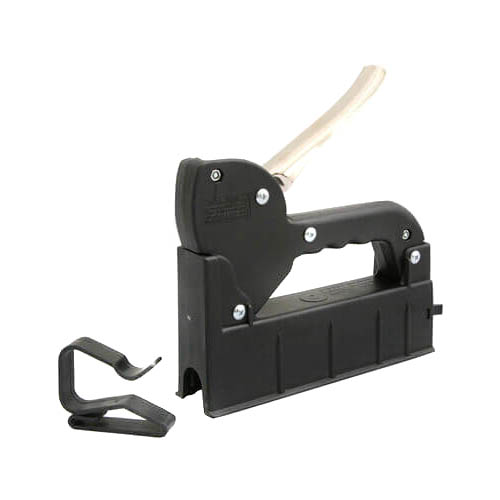
- Manual Foam Stapler: The manual foam stapler drives insulation staples by hand for securing foam board and vapor barrier material around plumbing and mechanical installations. Contractors use it on jobs where a pneumatic stapler is not practical or where only occasional fastening is needed. A comfortable grip and consistent staple depth make repeated use less tiring over a full day.
- PEX Cutters: PEX cutters produce a clean, square cut across PEX and PEX-al-PEX tubing, which keeps the tubing end round and free of burrs before it goes into a fitting. Contractors use ratcheting or bypass-style cutters depending on tubing diameter and how often the tool sees use on a given job. A dull blade can leave a ragged cut that compromises the seal at a cold-expansion or crimp connection, so blades get replaced as they wear.
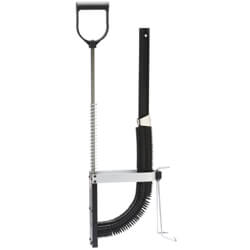
- PEX Uncoilers: PEX uncoilers hold a coil of tubing and feed it out straight as an installer walks a run, cutting down on the kinks and memory curl that come from pulling tubing directly off a tight coil. Contractors reach for an uncoiler on longer radiant heating or plumbing runs where handling the coil by hand would slow the job down. A stable base keeps the uncoiler from tipping as tubing feeds out under tension.
- PEX to Wood Attachment Tools: PEX to wood attachment tools fasten tubing runs directly to wood framing at regular intervals, keeping the line straight and supported between fixtures or manifolds. Contractors use these tools on radiant heat installations and plumbing runs where the tubing follows exposed joists or studs. Spacing the attachment points evenly along the run keeps the tubing from sagging or shifting once the system is in service.
- PEX-al-PEX Tools: PEX-al-PEX tools are built for the aluminum-layer tubing construction used in some radiant heating and plumbing systems, where standard PEX tools do not always produce a reliable connection. Contractors use this subcategory when working specifically with PEX-al-PEX pipe rather than standard PEX-A or PEX-B tubing. Matching the tool to the tubing's exact outer diameter keeps the cut and connection consistent.
- ProPEX Expander Tools & Heads: ProPEX expander tools and heads create the cold-expansion connections used throughout the Uponor ProPEX fitting system, stretching the tubing end so it can slide over a fitting and seal as it contracts back into place. Contractors select a head sized to match the tubing diameter on the job, since a mismatched head will not produce a proper expansion. Battery-powered expander tools speed up repetitive connections on larger jobs compared with manual expander handles.
Buying Guide
Matching tool to connection method comes first when selecting Uponor PEX tools. ProPEX cold-expansion fittings need an expander tool and head sized to the exact tubing diameter, while crimp or clamp-style connections rely on a different tool entirely. Checking which fitting system a job specifies before ordering tools avoids buying equipment that will not work with the tubing on hand.
Cutter selection depends mostly on tubing diameter and how often the tool will see use across a project. A ratcheting cutter handles occasional cuts on smaller-diameter tubing well, while a job with frequent cuts across a range of sizes may call for a heavier-duty cutter built for repeated use. A clean, square cut matters more than cutter style, since a ragged cut can keep a fitting from sealing properly.
Uncoilers earn their keep on longer runs where handling tubing straight off the coil would slow installation and introduce kinks. Smaller jobs with short runs may not need one at all. A stable, weighted base keeps the uncoiler in place as tubing pulls off under tension during a long run.
PEX-al-PEX tubing requires tools built for its aluminum-layer construction rather than standard PEX-A or PEX-B tools, since the layered wall behaves differently under a cutter blade or expander head. Confirming the exact tubing type on a job before ordering tools prevents a mismatch between tool and pipe.
Attachment hardware and wood-mounting tools round out the category for jobs running tubing along exposed framing. Spacing attachment points at even intervals keeps a radiant heat or plumbing run straight and supported, which matters both for appearance and for preventing long-term sag once the system is filled and in service.
Frequently Asked Questions
What size expander head works with ProPEX fittings?
The expander head needs to match the tubing's outer diameter exactly, since manufacturers size heads to specific tubing diameters rather than a universal fit. Checking the tubing size before selecting a head avoids an expansion that will not seat the fitting fully.
How do I know when a PEX expander tool needs servicing?
A tool that produces an incomplete or uneven expansion, or one where the head shows visible wear at the expansion points, is due for inspection or replacement. Regular use on a job site speeds up normal wear, so checking the head periodically catches a problem before it affects a connection.
Can standard PEX cutters be used on PEX-al-PEX tubing?
Standard PEX cutters can struggle with the aluminum layer inside PEX-al-PEX tubing, which is why tools built specifically for that tubing type exist. Using a cutter matched to the tubing construction produces a cleaner cut and a more reliable connection.
What does a PEX uncoiler actually do on a job site?
A PEX uncoiler holds a coil of tubing and feeds it out straight as an installer moves along a run, reducing the kinks and memory curl that come from pulling tubing directly off a tight coil by hand. It speeds up longer runs where handling the coil manually would slow the job down.
How far apart should PEX tubing be fastened along wood framing?
Spacing depends on the tubing diameter and the manufacturer's installation guidance, but even, consistent spacing along the full run keeps the tubing straight and prevents sagging once the system is filled and pressurized. Following the specific spacing called out for the tubing size in use keeps the installation supported correctly.
Resources
Subcategories
- Manual Foam Stapler: The manual foam stapler drives insulation staples by hand for securing foam board and vapor barrier material around plumbing and mechanical installations. Contractors use it on jobs where a pneumatic stapler is not practical or where only occasional fastening is needed. A comfortable grip and consistent staple depth make repeated use less tiring over a full day.
- PEX Cutters: PEX cutters produce a clean, square cut across PEX and PEX-al-PEX tubing, which keeps the tubing end round and free of burrs before it goes into a fitting. Contractors use ratcheting or bypass-style cutters depending on tubing diameter and how often the tool sees use on a given job. A dull blade can leave a ragged cut that compromises the seal at a cold-expansion or crimp connection, so blades get replaced as they wear.
- PEX Uncoilers: PEX uncoilers hold a coil of tubing and feed it out straight as an installer walks a run, cutting down on the kinks and memory curl that come from pulling tubing directly off a tight coil. Contractors reach for an uncoiler on longer radiant heating or plumbing runs where handling the coil by hand would slow the job down. A stable base keeps the uncoiler from tipping as tubing feeds out under tension.
- PEX to Wood Attachment Tools: PEX to wood attachment tools fasten tubing runs directly to wood framing at regular intervals, keeping the line straight and supported between fixtures or manifolds. Contractors use these tools on radiant heat installations and plumbing runs where the tubing follows exposed joists or studs. Spacing the attachment points evenly along the run keeps the tubing from sagging or shifting once the system is in service.
- PEX-al-PEX Tools: PEX-al-PEX tools are built for the aluminum-layer tubing construction used in some radiant heating and plumbing systems, where standard PEX tools do not always produce a reliable connection. Contractors use this subcategory when working specifically with PEX-al-PEX pipe rather than standard PEX-A or PEX-B tubing. Matching the tool to the tubing's exact outer diameter keeps the cut and connection consistent.
- ProPEX Expander Tools & Heads: ProPEX expander tools and heads create the cold-expansion connections used throughout the Uponor ProPEX fitting system, stretching the tubing end so it can slide over a fitting and seal as it contracts back into place. Contractors select a head sized to match the tubing diameter on the job, since a mismatched head will not produce a proper expansion. Battery-powered expander tools speed up repetitive connections on larger jobs compared with manual expander handles.
Buying Guide
Matching tool to connection method comes first when selecting Uponor PEX tools. ProPEX cold-expansion fittings need an expander tool and head sized to the exact tubing diameter, while crimp or clamp-style connections rely on a different tool entirely. Checking which fitting system a job specifies before ordering tools avoids buying equipment that will not work with the tubing on hand.
Cutter selection depends mostly on tubing diameter and how often the tool will see use across a project. A ratcheting cutter handles occasional cuts on smaller-diameter tubing well, while a job with frequent cuts across a range of sizes may call for a heavier-duty cutter built for repeated use. A clean, square cut matters more than cutter style, since a ragged cut can keep a fitting from sealing properly.
Uncoilers earn their keep on longer runs where handling tubing straight off the coil would slow installation and introduce kinks. Smaller jobs with short runs may not need one at all. A stable, weighted base keeps the uncoiler in place as tubing pulls off under tension during a long run.
PEX-al-PEX tubing requires tools built for its aluminum-layer construction rather than standard PEX-A or PEX-B tools, since the layered wall behaves differently under a cutter blade or expander head. Confirming the exact tubing type on a job before ordering tools prevents a mismatch between tool and pipe.
Attachment hardware and wood-mounting tools round out the category for jobs running tubing along exposed framing. Spacing attachment points at even intervals keeps a radiant heat or plumbing run straight and supported, which matters both for appearance and for preventing long-term sag once the system is filled and in service.
Frequently Asked Questions
What size expander head works with ProPEX fittings?
The expander head needs to match the tubing's outer diameter exactly, since manufacturers size heads to specific tubing diameters rather than a universal fit. Checking the tubing size before selecting a head avoids an expansion that will not seat the fitting fully.
How do I know when a PEX expander tool needs servicing?
A tool that produces an incomplete or uneven expansion, or one where the head shows visible wear at the expansion points, is due for inspection or replacement. Regular use on a job site speeds up normal wear, so checking the head periodically catches a problem before it affects a connection.
Can standard PEX cutters be used on PEX-al-PEX tubing?
Standard PEX cutters can struggle with the aluminum layer inside PEX-al-PEX tubing, which is why tools built specifically for that tubing type exist. Using a cutter matched to the tubing construction produces a cleaner cut and a more reliable connection.
What does a PEX uncoiler actually do on a job site?
A PEX uncoiler holds a coil of tubing and feeds it out straight as an installer moves along a run, reducing the kinks and memory curl that come from pulling tubing directly off a tight coil by hand. It speeds up longer runs where handling the coil manually would slow the job down.
How far apart should PEX tubing be fastened along wood framing?
Spacing depends on the tubing diameter and the manufacturer's installation guidance, but even, consistent spacing along the full run keeps the tubing straight and prevents sagging once the system is filled and pressurized. Following the specific spacing called out for the tubing size in use keeps the installation supported correctly.