




Urinal Gaskets

 --%3E %3Csvg version='1.1' id='Fill' xmlns='http://www.w3.org/2000/svg' xmlns:xlink='http://www.w3.org/1999/xlink' x='0px' y='0px' viewBox='0 0 100 100' enable-background='new 0 0 100 100' xml:space='preserve'%3E %3Cpath fill='%23F15C02' d='M79.44,0.95H20.56C9.78,0.95,0.95,9.78,0.95,20.56v58.87c0,10.79,8.82,19.61,19.61,19.61h58.87 c10.79,0,19.61-8.83,19.61-19.61V20.56C99.05,9.78,90.22,0.95,79.44,0.95z M65.38,58.24l9.38,29.58L49.69,69.78L24.5,87.82 l9.34-29.6L8.8,39.6l30.73-0.17c0,0,6.98-19.61,10-28.93c0.54,1.36,9.88,29.1,9.88,29.1H91.2L65.38,58.24z'/%3E %3C/svg%3E)

 --%3E %3Csvg version='1.1' id='No-RB' xmlns='http://www.w3.org/2000/svg' xmlns:xlink='http://www.w3.org/1999/xlink' x='0px' y='0px' viewBox='0 0 100 100' enable-background='new 0 0 100 100' xml:space='preserve'%3E %3Cpath fill='%23CECECE' d='M79.44,0.95H20.56C9.78,0.95,0.95,9.78,0.95,20.56v58.87c0,10.79,8.82,19.61,19.61,19.61h58.87 c10.79,0,19.61-8.83,19.61-19.61V20.56C99.05,9.78,90.22,0.95,79.44,0.95z M65.38,58.24l9.38,29.58L49.69,69.78L24.5,87.82 l9.34-29.6L8.8,39.6l30.73-0.17c0,0,6.98-19.61,10-28.93c0.54,1.36,9.88,29.1,9.88,29.1H91.2L65.38,58.24z'/%3E %3C/svg%3E)
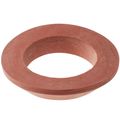
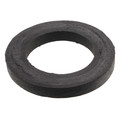
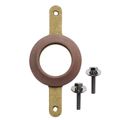

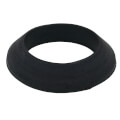
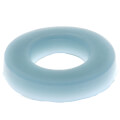
Urinal gaskets are the sealing components installed between a urinal and its waste outlet, forming a watertight and airtight connection that prevents leaks and sewer gas from entering the restroom. Plumbers replace them when an existing urinal is removed for service, when a gasket has hardened and cracked with age, or when a persistent odor or slow leak points to a failed seal. Most urinal gaskets are made from rubber or a similar flexible compound designed to compress evenly around the outlet without requiring excessive tightening. Getting the gasket size and shape matched to the specific urinal model is important, since a gasket that is too small will not seal fully and one that is too large can fold or pinch during installation. Replacing a worn gasket is typically a straightforward repair that does not require removing the urinal from the wall in every case.
Subcategories
- Wax-Free Urinal Gaskets: Wax-free urinal gaskets use a rubber or synthetic compound instead of traditional wax, which holds up better over time and does not soften in warm restroom environments. They are a common replacement choice for urinals that previously used a wax-based seal. Installation typically does not require any additional sealant.
- Universal Fit Gaskets: Universal fit gaskets are designed to work across multiple urinal models and outlet configurations, which is useful for a service call where the exact original part is not readily available. They flex to accommodate slight variations in outlet size and shape. Confirming compatibility with the specific urinal before installation still helps avoid a return trip.
- Gasket and Hardware Kits: Gasket and hardware kits bundle a replacement gasket with the mounting bolts, washers, and other small parts needed to complete a urinal reinstallation in a single package. They save a technician from tracking down individual hardware pieces separately. Kits are typically matched to specific urinal brands or outlet styles.
Buying Guide
Replacing urinal gaskets starts with identifying the exact urinal model or outlet configuration installed, since gasket size and shape vary between manufacturers and even between product generations from the same manufacturer. A gasket pulled at random from a shelf may look close in size but fail to seal properly once compressed against a mismatched outlet. Material choice matters for long-term reliability. Wax-free rubber and synthetic gaskets generally outlast traditional wax seals in a warm restroom environment, and they do not soften or migrate the way wax can over time, which reduces the chance of a slow leak developing months after installation. For a service call where the exact original gasket is not on hand, a universal fit gasket can bridge the gap, though confirming it seats fully against the specific outlet before finishing the job is worth the extra few minutes. Bundled kits that include mounting hardware alongside the gasket are worth considering for a full urinal reinstallation, since missing a single washer or bolt can turn a quick repair into a second trip to the supply house. Checking the condition of the mounting surface itself before installing a new gasket also pays off; a cracked or uneven outlet flange will keep even a properly sized gasket from sealing no matter how well it is installed.
Frequently Asked Questions
How do I know what size urinal gasket I need?
Matching the gasket to the exact urinal model or outlet style is the most reliable method, since sizes vary between manufacturers. Checking the model information on the urinal itself before ordering helps avoid a mismatch.
Are wax-free urinal gaskets better than wax gaskets?
Wax-free rubber and synthetic gaskets generally hold up better in warm restroom conditions and do not soften or migrate the way wax can over time. Many plumbers prefer them for that reason, though either style can work if sized and installed correctly.
Can a universal fit gasket replace any urinal gasket?
A universal fit gasket can work across several urinal models, but it is still worth confirming it seals fully against the specific outlet before finishing the installation. Not every outlet shape is compatible.
What causes a urinal gasket to fail?
Age is the most common cause, especially with wax-based gaskets that harden and crack over time. A gasket that was the wrong size or shape from the start can also fail prematurely.
Does replacing a urinal gasket require removing the urinal from the wall?
In many cases the gasket can be accessed and replaced without a full removal, but that depends on the specific urinal mounting style. Some wall-mounted models require more disassembly than others.
