




Toilet Parts
Toilet parts are the individual components used to repair or rebuild a toilet's tank and bowl assembly rather than replace the entire fixture. They cover everything from the fill valve that refills the tank after a flush to the bolts and flange that anchor the bowl to the floor. Most residential and light commercial toilet repairs involve a small number of parts inside the tank, since that's where the mechanical components that wear out over time are located.
Matching a replacement part to the existing toilet's make and model matters more in this category than in many others. Tank and bowl designs vary enough between manufacturers that a fill valve or flush valve built for one toilet may not fit or seal correctly in another. Universal-fit parts are available for many common configurations, which helps when the original manufacturer's part is no longer available.







Subcategories
- Ballcocks & Ballcock Repair Parts: Ballcocks are the older style of fill valve. They use a float ball on an arm to control water level in the tank. Float cup fill valves have largely superseded this design, but many older toilets in service still use it. Repair parts for this style, such as float arms, valve seats, and washers, let a technician service an existing ballcock without replacing the entire assembly. Matching parts to a specific ballcock brand and model matters here, since the mechanism's internal dimensions aren't standardized across manufacturers.
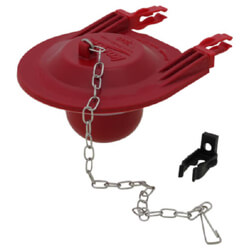
- Balls & Flappers: Flappers and flapper balls seal the flush valve opening at the bottom of the tank, holding water in the tank between flushes and releasing it when the flush handle is operated. Flapper material and shape need to match the flush valve seat for a reliable seal, since a mismatched flapper is a common cause of a toilet that runs continuously or flushes weakly. Most flappers are rubber, though some newer designs use a more chemical-resistant compound intended to hold up better against in-tank cleaning tablets.
- Bolts & Shims: Bolts secure the toilet bowl to the closet flange in the floor, while shims level the bowl on an uneven floor surface before the bolts are tightened. Using the correct bolt length and washer set prevents over-tightening, which can crack the porcelain base of the bowl. Shims placed under the bowl during installation keep the fixture stable and help maintain a consistent seal at the wax ring beneath it.
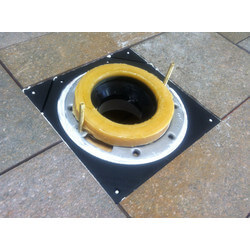
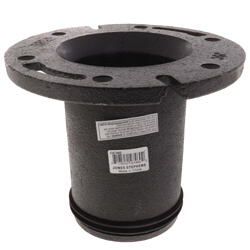
- Cast Iron Closet Flanges: Cast iron closet flanges anchor the toilet bowl to the floor and connect it to the drain pipe below. Cast iron is an alternative to the more common PVC or ABS plastic flanges. It is typically used for repairs on older cast iron drain systems or where a heavier, more rigid flange is preferred. Matching the flange's pipe connection size and outlet style to the existing drain pipe is necessary before installation. A cracked or corroded closet flange is a common source of a toilet that rocks or leaks at the base, which is often what prompts a flange replacement.
- Fill Valves: Fill valves refill the tank with water after a flush and shut off automatically once the tank reaches the set water level, replacing the water that the flush valve released into the bowl. Most current fill valves use a float cup that rides up and down the valve shaft rather than the older ballcock float-arm design. Many are adjustable in height to fit a range of tank sizes. A fill valve that won't shut off completely, or that shuts off too early, is one of the more common sources of a running or weak-flushing toilet.
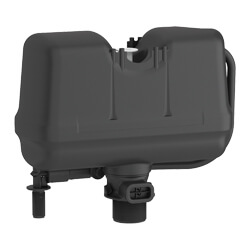
- Flush Valves: Flush valves sit at the bottom of the tank and open when the flush handle or button is operated, releasing the tank's stored water into the bowl to create the flush. The flapper or flush valve seal attaches to this valve, so flush valve replacement often happens alongside a new flapper if the seat itself has become worn or warped. Flush valve height and overflow tube design need to match the tank's specifications, since an incorrect flush valve can result in a tank that doesn't refill to the correct level.
Buying Guide
The starting point for any Toilet Parts purchase is identifying the toilet's make and model, since fill valves, flush valves, and flappers are often sized and shaped to match a specific manufacturer's tank design.
For a toilet that runs continuously or refills more than necessary, the fill valve and flapper are the most common points of failure and the most straightforward parts to replace, generally without needing to remove the tank from the bowl.
A toilet that rocks, leaks at the base, or has a cracked flange calls for a different repair path entirely. That path involves the closet flange, bolts, and wax ring rather than the fill or flush valve. It usually requires removing the bowl from the floor.
Universal-fit fill valves and flappers cover a wide range of toilet models. They are a practical choice when the original manufacturer's part isn't readily available. A direct-fit replacement part still gives the closest match to the original seal and water level performance.
Bringing the old part to compare dimensions, or noting the toilet's brand and model number before ordering, reduces the chance of a return trip for a part that doesn't fit the existing tank or bowl.
Frequently Asked Questions
What usually causes a toilet to run continuously?
A worn flapper that no longer seals against the flush valve seat, or a fill valve that isn't shutting off completely, are the two most common causes. Both parts can typically be replaced without removing the tank.
How do I know if I need a fill valve or a flush valve?
A fill valve controls water entering the tank after a flush, while a flush valve controls water leaving the tank into the bowl. A tank that won't stop filling points to the fill valve. A weak or incomplete flush points to the flush valve or its flapper.
Are toilet flappers universal?
Many flappers fit a range of flush valve openings. The flapper still needs to match the flush valve's seat size and shape for a reliable seal. Checking the flush valve's diameter before ordering helps avoid a mismatch.
When would a cast iron closet flange be used instead of a plastic one?
Cast iron flanges are typically chosen for repairs on older cast iron drain systems or in situations calling for a more rigid flange. PVC or ABS flanges are more common in newer plastic drain systems.
Why would a toilet rock even after tightening the bolts?
A rocking toilet is often a sign of an uneven floor, worn shims, or a damaged closet flange rather than loose bolts alone. Addressing the flange and adding or replacing shims usually resolves the issue before the bolts are retightened.
Resources
Subcategories
- Ballcocks & Ballcock Repair Parts: Ballcocks are the older style of fill valve. They use a float ball on an arm to control water level in the tank. Float cup fill valves have largely superseded this design, but many older toilets in service still use it. Repair parts for this style, such as float arms, valve seats, and washers, let a technician service an existing ballcock without replacing the entire assembly. Matching parts to a specific ballcock brand and model matters here, since the mechanism's internal dimensions aren't standardized across manufacturers.
- Balls & Flappers: Flappers and flapper balls seal the flush valve opening at the bottom of the tank, holding water in the tank between flushes and releasing it when the flush handle is operated. Flapper material and shape need to match the flush valve seat for a reliable seal, since a mismatched flapper is a common cause of a toilet that runs continuously or flushes weakly. Most flappers are rubber, though some newer designs use a more chemical-resistant compound intended to hold up better against in-tank cleaning tablets.
- Bolts & Shims: Bolts secure the toilet bowl to the closet flange in the floor, while shims level the bowl on an uneven floor surface before the bolts are tightened. Using the correct bolt length and washer set prevents over-tightening, which can crack the porcelain base of the bowl. Shims placed under the bowl during installation keep the fixture stable and help maintain a consistent seal at the wax ring beneath it.
- Cast Iron Closet Flanges: Cast iron closet flanges anchor the toilet bowl to the floor and connect it to the drain pipe below. Cast iron is an alternative to the more common PVC or ABS plastic flanges. It is typically used for repairs on older cast iron drain systems or where a heavier, more rigid flange is preferred. Matching the flange's pipe connection size and outlet style to the existing drain pipe is necessary before installation. A cracked or corroded closet flange is a common source of a toilet that rocks or leaks at the base, which is often what prompts a flange replacement.
- Fill Valves: Fill valves refill the tank with water after a flush and shut off automatically once the tank reaches the set water level, replacing the water that the flush valve released into the bowl. Most current fill valves use a float cup that rides up and down the valve shaft rather than the older ballcock float-arm design. Many are adjustable in height to fit a range of tank sizes. A fill valve that won't shut off completely, or that shuts off too early, is one of the more common sources of a running or weak-flushing toilet.
- Flush Valves: Flush valves sit at the bottom of the tank and open when the flush handle or button is operated, releasing the tank's stored water into the bowl to create the flush. The flapper or flush valve seal attaches to this valve, so flush valve replacement often happens alongside a new flapper if the seat itself has become worn or warped. Flush valve height and overflow tube design need to match the tank's specifications, since an incorrect flush valve can result in a tank that doesn't refill to the correct level.
Buying Guide
The starting point for any Toilet Parts purchase is identifying the toilet's make and model, since fill valves, flush valves, and flappers are often sized and shaped to match a specific manufacturer's tank design.
For a toilet that runs continuously or refills more than necessary, the fill valve and flapper are the most common points of failure and the most straightforward parts to replace, generally without needing to remove the tank from the bowl.
A toilet that rocks, leaks at the base, or has a cracked flange calls for a different repair path entirely. That path involves the closet flange, bolts, and wax ring rather than the fill or flush valve. It usually requires removing the bowl from the floor.
Universal-fit fill valves and flappers cover a wide range of toilet models. They are a practical choice when the original manufacturer's part isn't readily available. A direct-fit replacement part still gives the closest match to the original seal and water level performance.
Bringing the old part to compare dimensions, or noting the toilet's brand and model number before ordering, reduces the chance of a return trip for a part that doesn't fit the existing tank or bowl.
Frequently Asked Questions
What usually causes a toilet to run continuously?
A worn flapper that no longer seals against the flush valve seat, or a fill valve that isn't shutting off completely, are the two most common causes. Both parts can typically be replaced without removing the tank.
How do I know if I need a fill valve or a flush valve?
A fill valve controls water entering the tank after a flush, while a flush valve controls water leaving the tank into the bowl. A tank that won't stop filling points to the fill valve. A weak or incomplete flush points to the flush valve or its flapper.
Are toilet flappers universal?
Many flappers fit a range of flush valve openings. The flapper still needs to match the flush valve's seat size and shape for a reliable seal. Checking the flush valve's diameter before ordering helps avoid a mismatch.
When would a cast iron closet flange be used instead of a plastic one?
Cast iron flanges are typically chosen for repairs on older cast iron drain systems or in situations calling for a more rigid flange. PVC or ABS flanges are more common in newer plastic drain systems.
Why would a toilet rock even after tightening the bolts?
A rocking toilet is often a sign of an uneven floor, worn shims, or a damaged closet flange rather than loose bolts alone. Addressing the flange and adding or replacing shims usually resolves the issue before the bolts are retightened.