




Washing Machine Accessories
Washing machine accessories cover the supply hoses, drain pans, and branch fittings that connect a washing machine to a home's plumbing. The category includes hoses and connectors that run from the shutoff valve to the machine, pans that catch leaks, and tees that add a branch and shutoff into an existing line.
A washing machine pan protects flooring below the machine from water damage caused by a supply line failure or overflow, making it a common addition during a laundry room remodel. Matching hose length and connector size to the specific machine and rough-in location keeps the installation clean and leak-free.



Subcategories
- Washing Machine Hoses & Connectors: Supply hoses run from the hot and cold valve outlets to the washer's inlet ports, and braided stainless steel construction resists bursting and kinking far longer than a plain rubber hose exposed to the same duty cycle. Connectors and adapters in this group let a hose match whatever thread size or valve type is already on the wall, which comes up often on replacement jobs where the original hardware doesn't match current standard fittings.
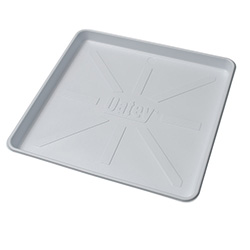
- Washing Machine Pans: Pans sit under the washer and catch supply line or internal leaks before they reach the floor, routing the water to a drain line that terminates at a code-approved disposal point such as a floor drain or utility sink. Pans matter most on upper floors and over finished space below, where a leak that goes unnoticed for even a few loads of laundry can mean drywall and flooring repair instead of just wiping up a pan.
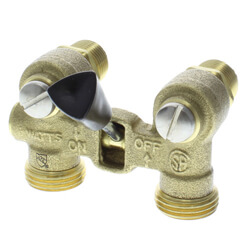
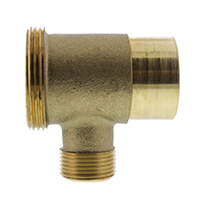
- Washing Machine Tees: Tees add a branch and shutoff into the hot or cold supply line behind the washer, which is useful when the existing wall connection only has a single valve or when adding an ice maker or humidifier line off the same supply. Single-lever and dual-handle configurations both exist, and matching the tee's inlet and outlet thread to the existing valve and hose avoids a mismatched adapter at the connection.
Buying Guide
Hose material is the first decision. Braided stainless steel costs more upfront than rubber but resists the bursting and kinking that causes most washer-related water damage claims, making it the safer default on any installation the installer won't be checking regularly.
Pan sizing needs to clear the washer's footprint with enough margin to catch water from a supply line failure, not just a slow drip, and the pan's drain outlet has to route to a location where a leak will actually get noticed.
Standpipe and drain sizing follow the locally adopted plumbing code, and undersizing the standpipe or drain line is a common cause of washer drains backing up onto the floor during the spin cycle.
Valve and tee configuration should match what's already on the wall unless the whole box is being replaced. Swapping a single valve for a tee with an integrated shutoff means one less fitting to source separately down the line.
Replacing accessories at the same time as the washer itself, rather than waiting for a hose or pan to fail, catches wear before it turns into a water damage claim. Rubber hoses several years old are a common source of failure well before the washer they're attached to quits.
Frequently Asked Questions
How often should washing machine hoses be replaced?
Rubber hoses are generally due for replacement every 3 to 5 years, while braided stainless steel hoses can often go longer, but any hose showing bulging, cracking, or rust at the fittings needs to come off immediately regardless of age. Replacing hoses at the same time as the washer is the easiest way to avoid tracking individual hose age.
Is a washing machine pan required by code?
Requirements vary by jurisdiction, with many local codes requiring a pan when the washer sits above a finished living space or on an upper floor, while a ground-level laundry room in a slab-on-grade home may not require one. Checking the locally adopted plumbing code before skipping a pan is the safer route given how much damage an undetected leak can cause.
What size drain line does a washing machine standpipe need?
The International Plumbing Code sets a 2 inch minimum diameter for the standpipe itself, connecting into a fixture branch of 3 inches or larger, with the standpipe standing between 18 and 42 inches as measured from the trap weir. Local amendments can adjust these minimums, so the adopted code should be checked before rough-in.
Can a washing machine tee replace a standard shutoff valve?
A washing machine tee typically integrates a shutoff valve along with the added branch connection, so it can replace a standard valve while also adding capacity for an additional line such as an ice maker. Thread size and outlet configuration still need to match the existing supply lines and hose ends.
What causes a washing machine drain to overflow during the spin cycle?
An undersized standpipe or a P-trap positioned too far from the standpipe both cause the drain to back up when the pump discharges water in a rapid burst during spin. Matching standpipe height and diameter to code, along with keeping the trap-to-standpipe distance within code limits, resolves most spin-cycle overflow complaints.
Resources
Subcategories
- Washing Machine Hoses & Connectors: Supply hoses run from the hot and cold valve outlets to the washer's inlet ports, and braided stainless steel construction resists bursting and kinking far longer than a plain rubber hose exposed to the same duty cycle. Connectors and adapters in this group let a hose match whatever thread size or valve type is already on the wall, which comes up often on replacement jobs where the original hardware doesn't match current standard fittings.
- Washing Machine Pans: Pans sit under the washer and catch supply line or internal leaks before they reach the floor, routing the water to a drain line that terminates at a code-approved disposal point such as a floor drain or utility sink. Pans matter most on upper floors and over finished space below, where a leak that goes unnoticed for even a few loads of laundry can mean drywall and flooring repair instead of just wiping up a pan.
- Washing Machine Tees: Tees add a branch and shutoff into the hot or cold supply line behind the washer, which is useful when the existing wall connection only has a single valve or when adding an ice maker or humidifier line off the same supply. Single-lever and dual-handle configurations both exist, and matching the tee's inlet and outlet thread to the existing valve and hose avoids a mismatched adapter at the connection.
Buying Guide
Hose material is the first decision. Braided stainless steel costs more upfront than rubber but resists the bursting and kinking that causes most washer-related water damage claims, making it the safer default on any installation the installer won't be checking regularly.
Pan sizing needs to clear the washer's footprint with enough margin to catch water from a supply line failure, not just a slow drip, and the pan's drain outlet has to route to a location where a leak will actually get noticed.
Standpipe and drain sizing follow the locally adopted plumbing code, and undersizing the standpipe or drain line is a common cause of washer drains backing up onto the floor during the spin cycle.
Valve and tee configuration should match what's already on the wall unless the whole box is being replaced. Swapping a single valve for a tee with an integrated shutoff means one less fitting to source separately down the line.
Replacing accessories at the same time as the washer itself, rather than waiting for a hose or pan to fail, catches wear before it turns into a water damage claim. Rubber hoses several years old are a common source of failure well before the washer they're attached to quits.
Frequently Asked Questions
How often should washing machine hoses be replaced?
Rubber hoses are generally due for replacement every 3 to 5 years, while braided stainless steel hoses can often go longer, but any hose showing bulging, cracking, or rust at the fittings needs to come off immediately regardless of age. Replacing hoses at the same time as the washer is the easiest way to avoid tracking individual hose age.
Is a washing machine pan required by code?
Requirements vary by jurisdiction, with many local codes requiring a pan when the washer sits above a finished living space or on an upper floor, while a ground-level laundry room in a slab-on-grade home may not require one. Checking the locally adopted plumbing code before skipping a pan is the safer route given how much damage an undetected leak can cause.
What size drain line does a washing machine standpipe need?
The International Plumbing Code sets a 2 inch minimum diameter for the standpipe itself, connecting into a fixture branch of 3 inches or larger, with the standpipe standing between 18 and 42 inches as measured from the trap weir. Local amendments can adjust these minimums, so the adopted code should be checked before rough-in.
Can a washing machine tee replace a standard shutoff valve?
A washing machine tee typically integrates a shutoff valve along with the added branch connection, so it can replace a standard valve while also adding capacity for an additional line such as an ice maker. Thread size and outlet configuration still need to match the existing supply lines and hose ends.
What causes a washing machine drain to overflow during the spin cycle?
An undersized standpipe or a P-trap positioned too far from the standpipe both cause the drain to back up when the pump discharges water in a rapid burst during spin. Matching standpipe height and diameter to code, along with keeping the trap-to-standpipe distance within code limits, resolves most spin-cycle overflow complaints.