




Filters
SORT
Product Availability –
Used With –
Review Score –
 --%3E %3Csvg version='1.1' id='Fill' xmlns='http://www.w3.org/2000/svg' xmlns:xlink='http://www.w3.org/1999/xlink' x='0px' y='0px' viewBox='0 0 100 100' enable-background='new 0 0 100 100' xml:space='preserve'%3E %3Cpath fill='%23F15C02' d='M79.44,0.95H20.56C9.78,0.95,0.95,9.78,0.95,20.56v58.87c0,10.79,8.82,19.61,19.61,19.61h58.87 c10.79,0,19.61-8.83,19.61-19.61V20.56C99.05,9.78,90.22,0.95,79.44,0.95z M65.38,58.24l9.38,29.58L49.69,69.78L24.5,87.82 l9.34-29.6L8.8,39.6l30.73-0.17c0,0,6.98-19.61,10-28.93c0.54,1.36,9.88,29.1,9.88,29.1H91.2L65.38,58.24z'/%3E %3C/svg%3E)
 --%3E %3Csvg version='1.1' id='With-RB' xmlns='http://www.w3.org/2000/svg' xmlns:xlink='http://www.w3.org/1999/xlink' x='0px' y='0px' viewBox='0 0 100 100' enable-background='new 0 0 100 100' xml:space='preserve'%3E %3Cpath fill='%23FBC8B4' d='M79.44,0.95H20.56C9.78,0.95,0.95,9.78,0.95,20.56v58.87c0,10.79,8.82,19.61,19.61,19.61h58.87 c10.79,0,19.61-8.83,19.61-19.61V20.56C99.05,9.78,90.22,0.95,79.44,0.95z M65.38,58.24l9.38,29.58L49.69,69.78L24.5,87.82 l9.34-29.6L8.8,39.6l30.73-0.17c0,0,6.98-19.61,10-28.93c0.54,1.36,9.88,29.1,9.88,29.1H91.2L65.38,58.24z'/%3E %3C/svg%3E)
Price Range –
Weil McLain LGB Boiler Parts


 --%3E %3Csvg version='1.1' id='No-RB' xmlns='http://www.w3.org/2000/svg' xmlns:xlink='http://www.w3.org/1999/xlink' x='0px' y='0px' viewBox='0 0 100 100' enable-background='new 0 0 100 100' xml:space='preserve'%3E %3Cpath fill='%23CECECE' d='M79.44,0.95H20.56C9.78,0.95,0.95,9.78,0.95,20.56v58.87c0,10.79,8.82,19.61,19.61,19.61h58.87 c10.79,0,19.61-8.83,19.61-19.61V20.56C99.05,9.78,90.22,0.95,79.44,0.95z M65.38,58.24l9.38,29.58L49.69,69.78L24.5,87.82 l9.34-29.6L8.8,39.6l30.73-0.17c0,0,6.98-19.61,10-28.93c0.54,1.36,9.88,29.1,9.88,29.1H91.2L65.38,58.24z'/%3E %3C/svg%3E)
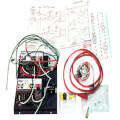
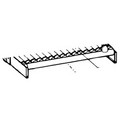
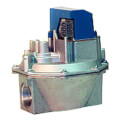

Weil McLain LGB boiler parts keep the LGB commercial cast iron gas boiler line running between full replacements, covering everything from combustion components to the controls that manage a hot water or steam heating loop. Weil-McLain builds LGB boilers with cast iron sections for corrosion resistance and long service life, which is part of why so many LGB units installed in schools, municipal buildings, and larger residences are still in service years after the original install date and need ongoing parts support rather than replacement. The LGB line covers both hot water and steam applications and runs on natural gas or liquid propane, so confirming which configuration a specific boiler is set up for matters before ordering burner, control, or piping parts. Because these are commercial installations with heating loads that can't go down for long, having the right wear parts on hand before a failure, rather than special-ordering after a no-heat call, is standard practice for buildings running an LGB boiler.
Subcategories
- Combustion and Burner Parts: Burner assemblies, orifices, and ignition components in this category are specific to the LGB's atmospheric gas burner setup. Orifice sizing differs between natural gas and liquid propane versions of the boiler, so fuel type has to be confirmed before ordering.
- Controls and Limits: Operating and safety controls in this category manage water temperature and burner cycling on an LGB boiler. Hot water and steam configurations use different control setups, so matching the control to the specific application matters as much as matching the boiler model.
- Piping and Air Separator Parts: LGB water boilers include a built-in air separator that diverts air to the expansion tank through a dedicated tapping near the supply outlet, and this category covers the fittings tied to that near-boiler piping. Steam models route piping differently, so parts in this group are specific to the water boiler configuration.
- Cast Iron Sections and Gaskets: Replacement cast iron sections and the gaskets that seal between them belong in this category, used when a single section fails rather than the whole boiler. Matching gasket material to the specific section is as important as matching the section itself.
Buying Guide
Start by confirming the exact LGB model and series, since Series 2 and Series 3 boilers share a family name but don't share every part across the two generations. The boiler's rating plate lists the model number needed to cross-reference the correct part rather than guessing from a general LGB parts list. Confirm whether the installation is a hot water or steam application before ordering controls or near-boiler piping components, since LGB boilers are available in both configurations and the operating controls differ between them. Weil McLain LGB Boiler Parts for the combustion side, burner assemblies, orifices, and ignition components, need to match the fuel type as well, since LGB boilers run on either natural gas or liquid propane and the orifice sizing differs between the two. On a section replacement, matching gasket material to the specific section being replaced matters as much as matching the section itself, since a mismatched gasket is a common cause of a leak that shows up shortly after the repair. Because LGB installations tend to be commercial buildings where extended downtime isn't an option, buildings running one or more LGB boilers benefit from keeping common wear parts, igniters, gaskets, and control components, on hand rather than ordering only after a failure.
Frequently Asked Questions
Are Weil-McLain LGB Series 2 and Series 3 parts interchangeable?
Not always. The two generations share a model family name but were built with different component specs in places, so cross-referencing the part against the specific model number on the boiler's rating plate is more reliable than assuming a Series 2 part fits a Series 3 boiler.
Does an LGB boiler run on natural gas or propane?
Both are available. LGB boilers are built for either natural gas or liquid propane, and burner orifice sizing differs between the two fuel types, so confirming fuel type before ordering combustion parts avoids installing the wrong orifice.
Is my LGB boiler a hot water or steam unit?
Check the near-boiler piping and control setup rather than guessing from the boiler's size. LGB boilers are available in both hot water and steam configurations, and the operating controls differ between the two, so a control ordered for the wrong application won't manage the system correctly.
Why does gasket material matter on a cast iron section replacement?
A gasket that doesn't match the specific section being replaced is a common source of a leak that shows up shortly after the repair. Matching gasket material and size to the section itself, rather than to the boiler model in general, is worth the extra check.
What parts are worth keeping in stock for a building running an LGB boiler?
Igniters, common gaskets, and basic control components cover most no-heat calls without a special order. Buildings that can't tolerate extended downtime are better served by stocking these ahead of a failure rather than ordering only once a boiler is already down.
